
Inter-American Division Spearheads Efforts to Reach Urban and Secular Communities
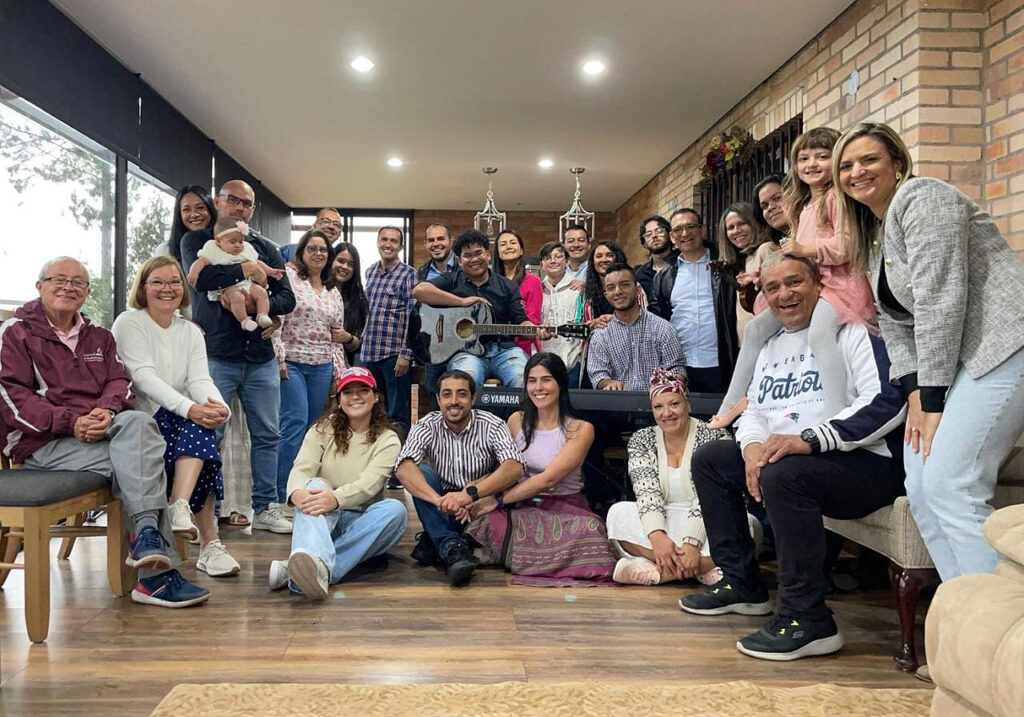
New Seventh-day Adventist congregations are becoming more visible across the territory of the Inter-American Division (IAD). Congregants are gathering in spaces unlike a church building. The worship service format is not the usual one with a Sabbath School and divine worship program in the morning. There are no church emblems or even the Seventh-day Adventist Church logo. There is music, there are Bible-centered messages and specific activities and events on the Sabbath and during the week.
The groups or small congregations are managed by the Adventist Church in the specific conference or mission in the union they serve across the territory. Coined as Friendly Churches, the congregations planted follow a plan launched in 2021, when division leaders decided to reach non-believers in specific locations across urban areas.
“We call them ‘Friendly Churches’ because these are friendly congregations for secular-minded people,” said Pastor Hiram Ruiz, public campus ministries director of the IAD overseeing university students and young professionals. “It’s not to say that our Seventh-day Adventist Churches aren’t friendly, but it’s a reference we use internally to describe a new space or place to share the message of hope to a specific audience the church has shied away from seriously pursuing.”
Friendly Churches seek out university students, business owners, professionals, and persons who are not interested in visiting a church building or taking part in a formal church service. They are not interested in organized religion, Ruiz said. It came about after the pandemic, highlighting the need to reach believers and non-believers uninterested in any kind of religious church, Ruiz added. “We saw the need to provide a comfortable place where they could speak and listen to spiritual things, without music being the main focus, a specific dress code, but with the opportunity for them to understand God in their lives.”
It began as a pilot program
“The project started as a pilot program with unions, or major church regions, that wanted to create a more sensitive and comfortable space to the specific interests of the target audience, less structured worship services, and with ongoing activities and community projects,” Ruiz said.
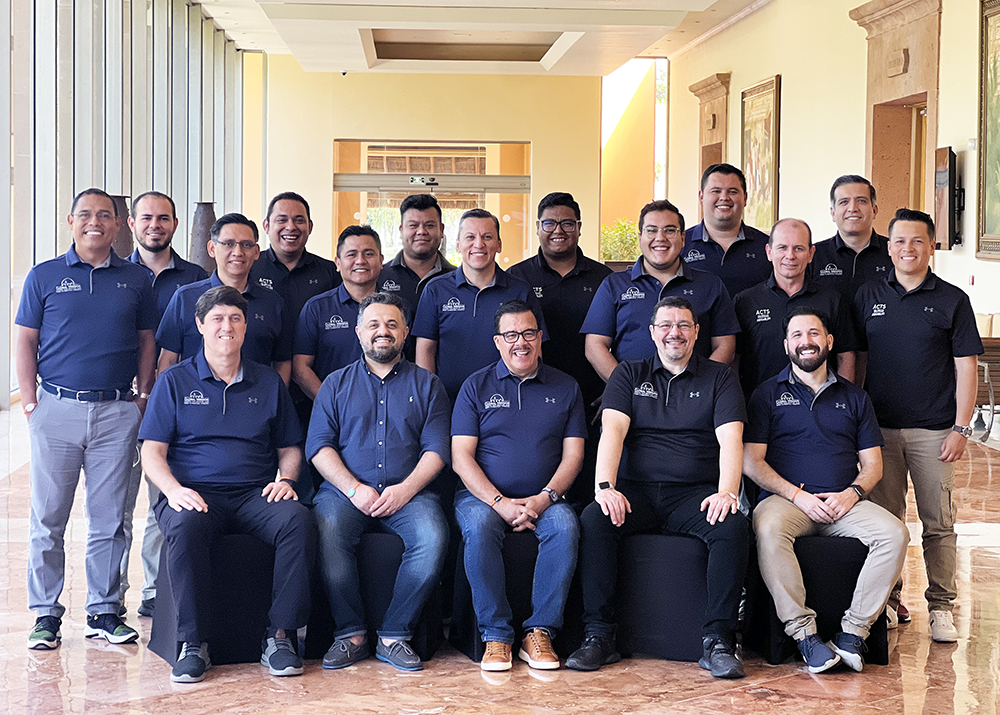
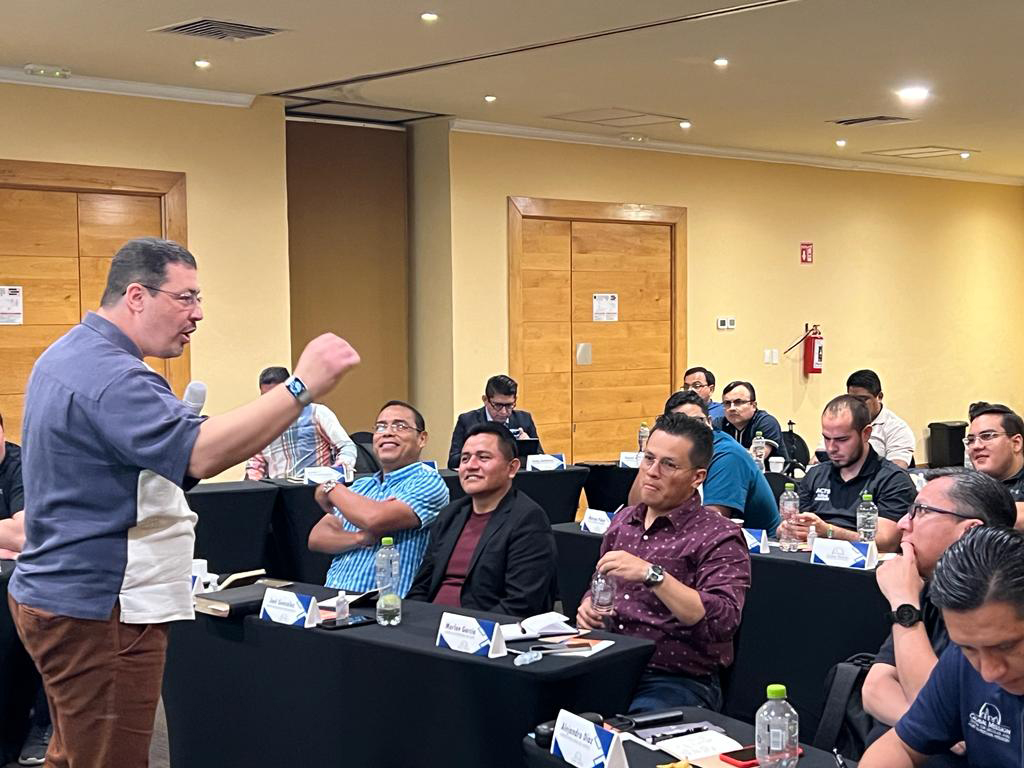
Fifteen groups began from ten unions in the IAD with an appointed pastor selected by the corresponding conference, who for a year, was trained in a series of in-person and online sessions and enlisted a core-group of approximately 20 interested church members in the project. Later, the group of pastors designated to lead a Friendly Church met to continue specific training, discuss progress reports and challenges in their new ministry, and be laser-focused on the task of connecting secular-minded individuals to the message of the gospel.
A different approach
The IAD was the first region of the world church to participate in the new structured program, said Pastor Kleber Gonçalves, director of Global Mission Center for Secular and Postmodern Studies at the General Conference.
“This has been a totally different approach from what pastors have been trained for normally in our church,” Gonçalves said. “The process of leading others to Christ could take longer than church leaders or members expect in a traditional Adventist Church setting but so far it has proven to be effective, and we have seen how God has grown the ministry of seeking secular-minded people who are looking for answers and are interested in making a difference in the world throughout Inter-America,” he said.
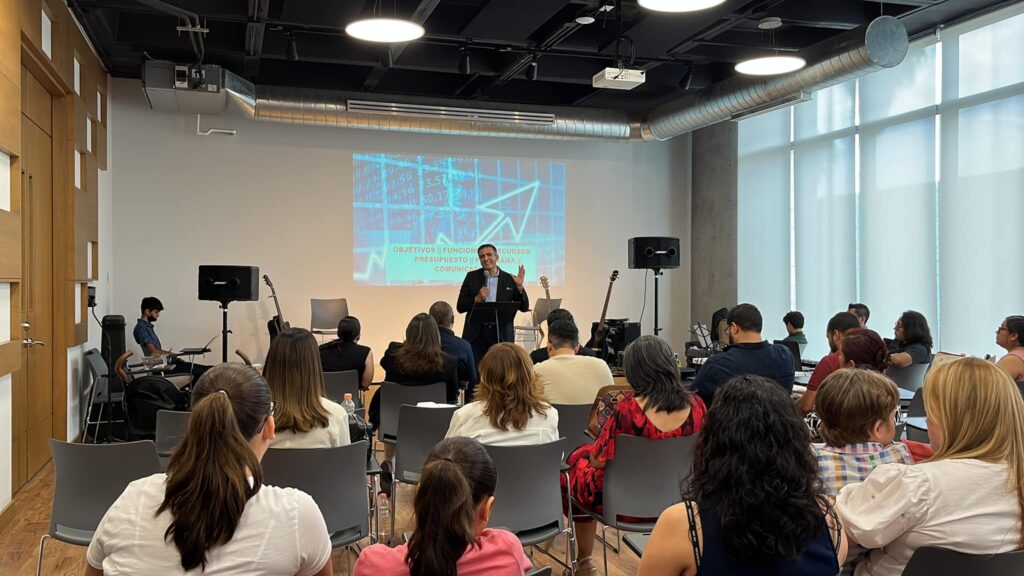
Pedraza, like other pastors in the Friendly Church Project, focuses on ministering to Hope Life congregants and his core group of church members. They have embraced the specific long-term vision of the project and understand how secular-minded people in the region think and act.
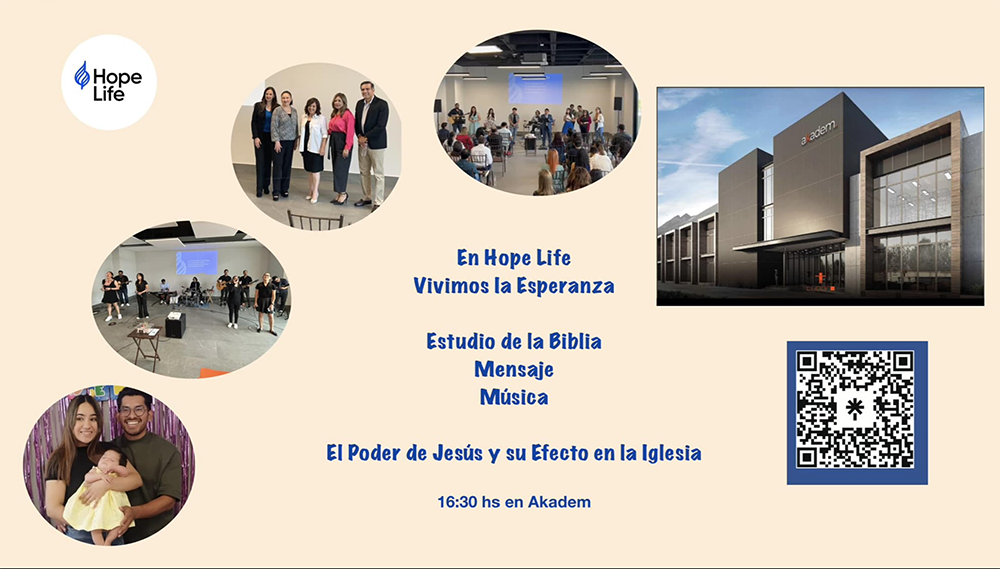
Working in core groups
The core group meets every Sabbath morning to study the Sabbath school lesson, to pray, worship and go over the friendly church’s vision and purpose in the mission. Then the core group welcomes the congregants for the Sabbath afternoon service which includes moments of praise, a spiritual message, and time to snack together. “It’s important to be inclusive — a congregation that has a fresh approach to engage individuals in serving the community through a ministry or project,” Pedraza said. The key has been providing different interests groups and ministries visitors can be part of. Several have been baptized and the group has grown to more than 100 people.
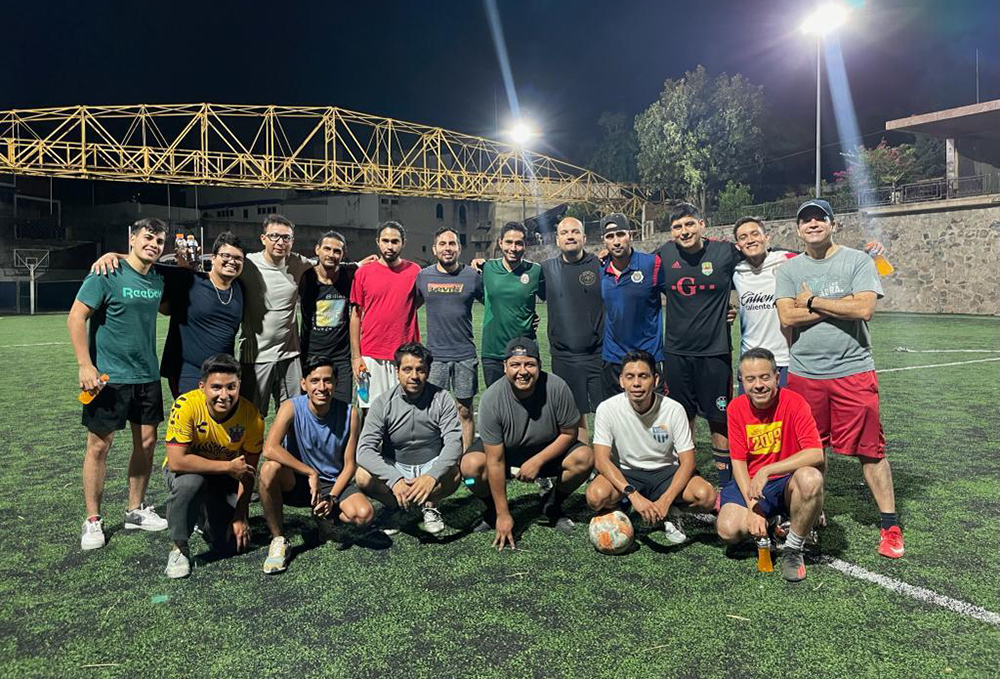
Not far from Hope Life is CREA, a Friendly Church in the northwestern part of Monterrey. Pastor Alejandro Díaz leads CREA. He has seen the benefits of welcoming everyone who comes through the doors on Sabbath afternoons for worship. “We focus on connecting and making friends no matter how they look or what they do, without judgement,” Díaz said. “We give them a chance to take part in any of the ministries that they may want to be part of such as branding experts group, marathon runners, tech or engineers, women bringing about awareness on issues of violence, and more.”
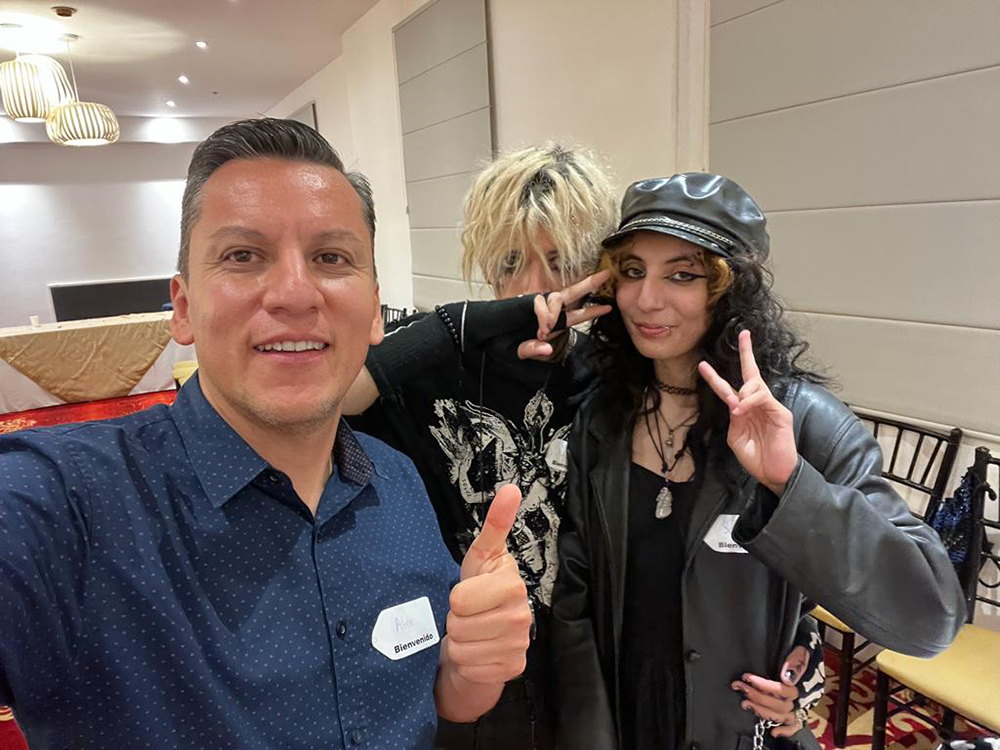
Díaz served as a district pastor for more than 20 years and said leading the new format has opened so many opportunities to understand better the needs and concerns of each secular mind that approaches CREA. “The message of the gospel doesn’t change but the methods we are using to connect with this generation and seems to be drawing many more young people, professionals, and business owners who are searching for something greater than what they have,” he said. There are more than 60 people meeting at CREA every week.
An ongoing discipleship program
Each of the Friendly Churches established is in a large city populated with at least one-million people. Basically, the churches have been designed to be a different kind of Adventist Church, with an ongoing discipleship approach, said Ruiz. “It has been wonderful to see the spiritual impact these congregations are making in the lives of so many living in large cities,” he added.
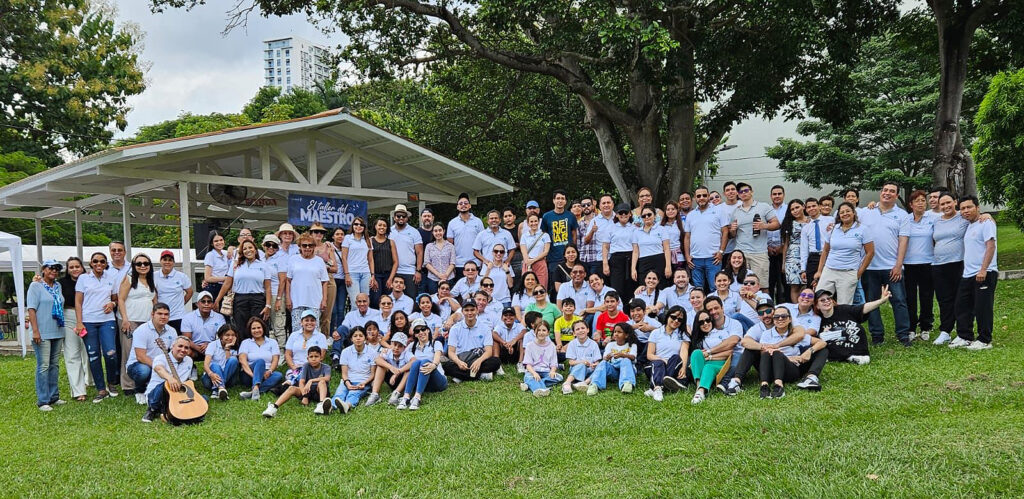
“Many of our young generations and secular individuals can’t understand the format our Adventist churches do each Sabbath. They have a difficult time sometimes feeling comfortable with church liturgy that seems foreign to them,” he said. It’s a different approach, but after months, they have been able to see positive results. “Many have decided to join the groups through baptism and continue active in mission initiatives and projects,” said Ruiz.
In Panama, Conexión 7 opened last year with a group of business professionals who reside in upper-class communities in Panama City. From the start, Pastor Demetrio Aguilar was clear about their goal. “It’s been all about establishing a friendship, a connection with business owners and professionals,” Aguilar said. “We seek to offer them an encouraging spiritual message, to draw them to engagement and growth.”
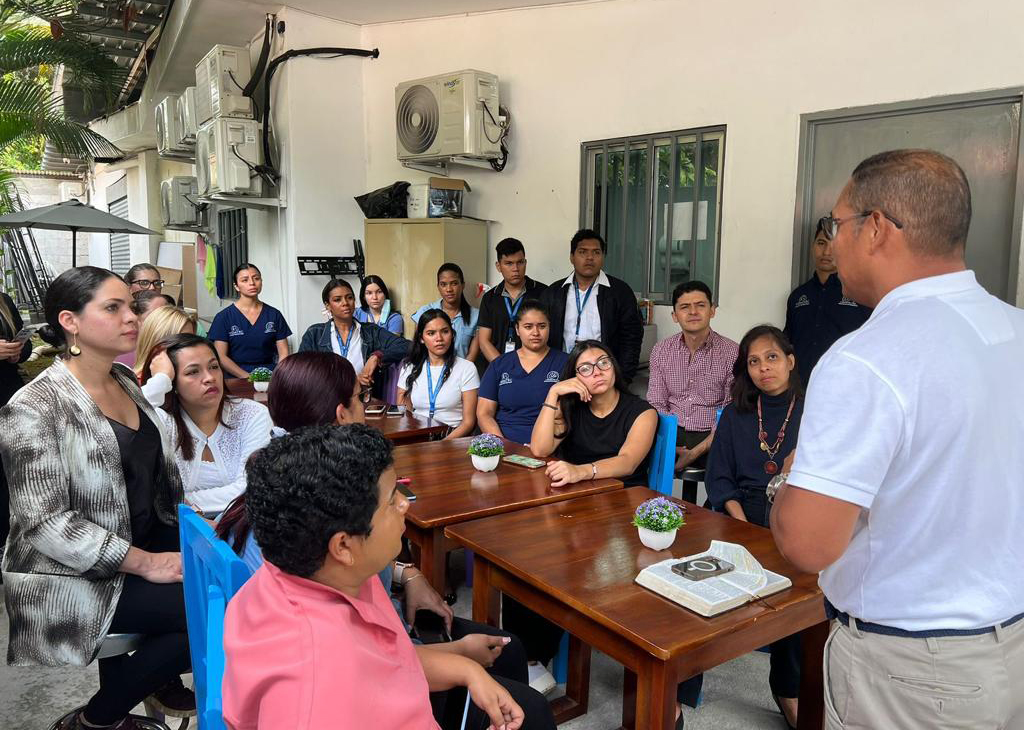
The initiative has convinced Pastor Jose De Gracia, president of the Panama Union, of how effective is the Friendly Church’s format. “It has been such a blessing,” said De Gracia.
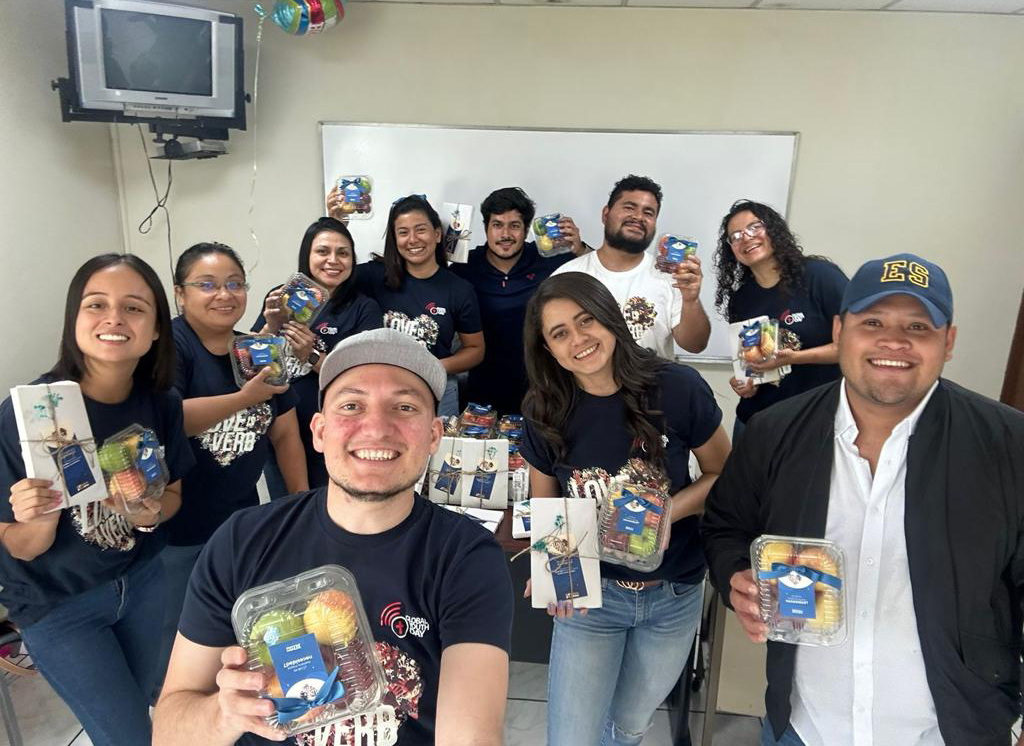
Kevin Mendoza worked for months to reach a group of property owners in the eastern outskirts of Medellin, Colombia. The group, called Comunidad Oriente (Eastern Community), gathers more than 50 business owners in a rented estate not far from the city every Sabbath. During social gatherings and activities, they take time to plan. The group continues to bring friends and acquaintances to engage in their weekly gatherings.
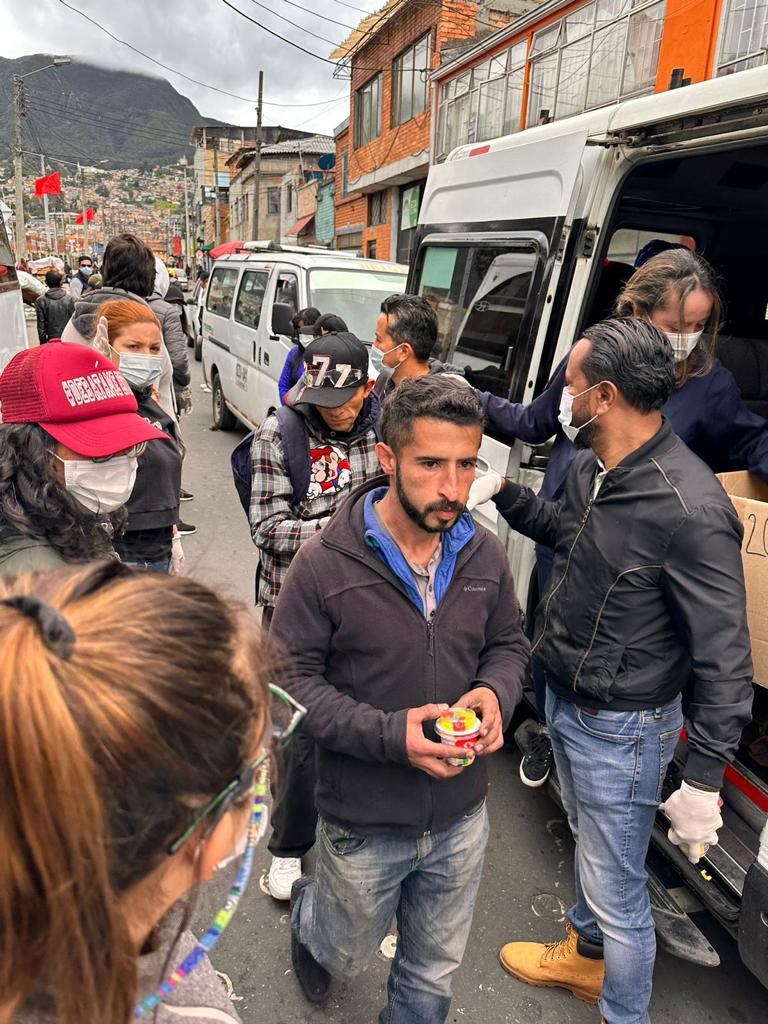
The success of the Friendly Church project is not being measured by the number of baptisms, visitors, and regular visitors, Ruiz said. “The connections, the spiritual growth of the group works through a contextualized discipleship program, not your traditional Adventist evangelism format,” he said. Yet, the groups at Friendly Churches understand the principles of stewardship, give their tithes and offerings, and contribute to the Adventist Church organization which they fall under, explained Ruiz.
Pastors leading the ten Friendly Churches continue taking part in a group and one-on-one mentoring program once a month. “This special program requires close attention to manage any challenges and continue strengthening these unique congregations,” added Ruiz.
“The manual will be an important resource to follow in the rest of the IAD territory”, Ruiz said. It is expected to be available before the end of 2024.
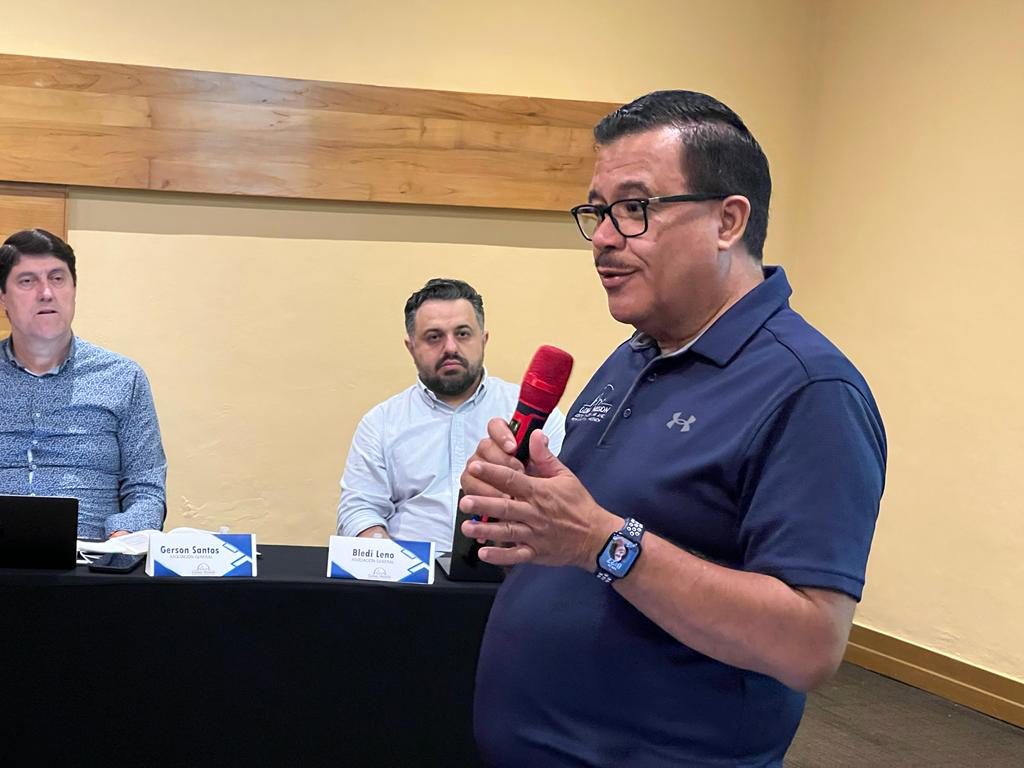
Module training during the past two years has included sessions with Pastors Kleber Gonçalves; Johnathan Contero (until recently, pastor at Iglesia Cero in Madrid, Spain); Bledi Leno, director of the Global Mission Urban Center; and Gerson Santos, ministerial association associate director of the General Conference.
Related news
 From the Field
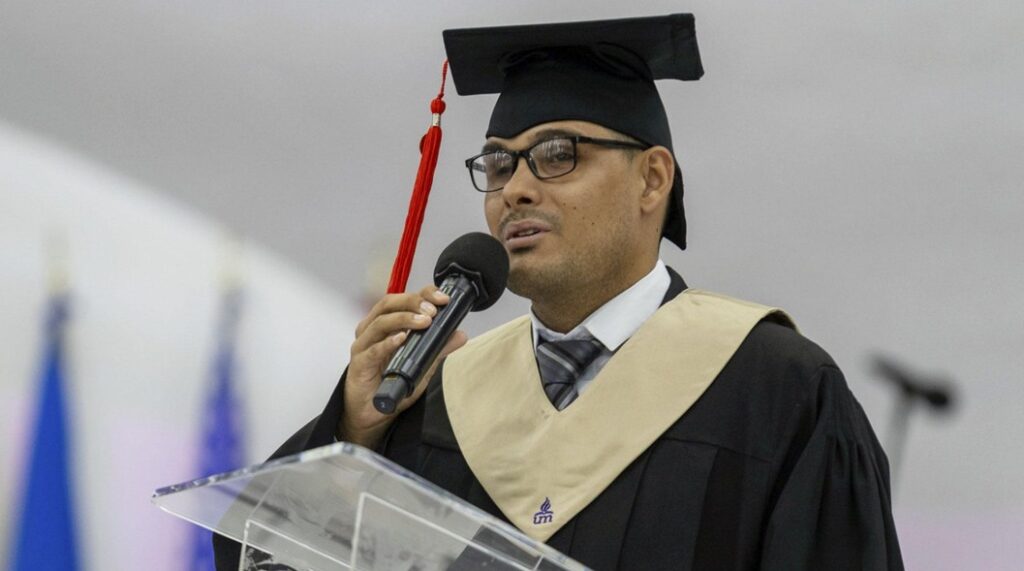
Blind Theology Graduate Overcomes Barriers to Answer God’s Call
Colombian Adventist completes theology degree after seven years of academic, financial, and accessibility challenges June 11, 2026 | Medellín, Antioquia, Colombia | Cristin Serrano…
From the Field
Blind Theology Graduate Overcomes Barriers to Answer God’s Call
Colombian Adventist completes theology degree after seven years of academic, financial, and accessibility challenges June 11, 2026 | Medellín, Antioquia, Colombia | Cristin Serrano…
 From the Headquarters
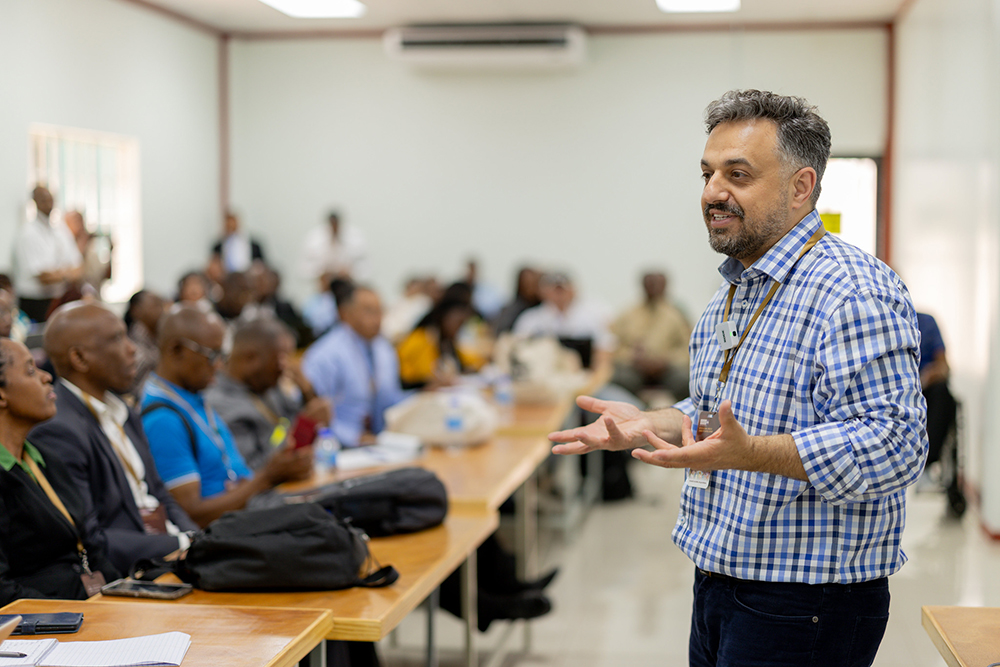
To Find Ways to Reach Secular People, First We Need to Understand Them
Adventist mission expert explains where they are and what missionaries can do about it. June 10, 2026 | Port of Spain, Trinidad and Tobago…
From the Headquarters
To Find Ways to Reach Secular People, First We Need to Understand Them
Adventist mission expert explains where they are and what missionaries can do about it. June 10, 2026 | Port of Spain, Trinidad and Tobago…
 From the Headquarters
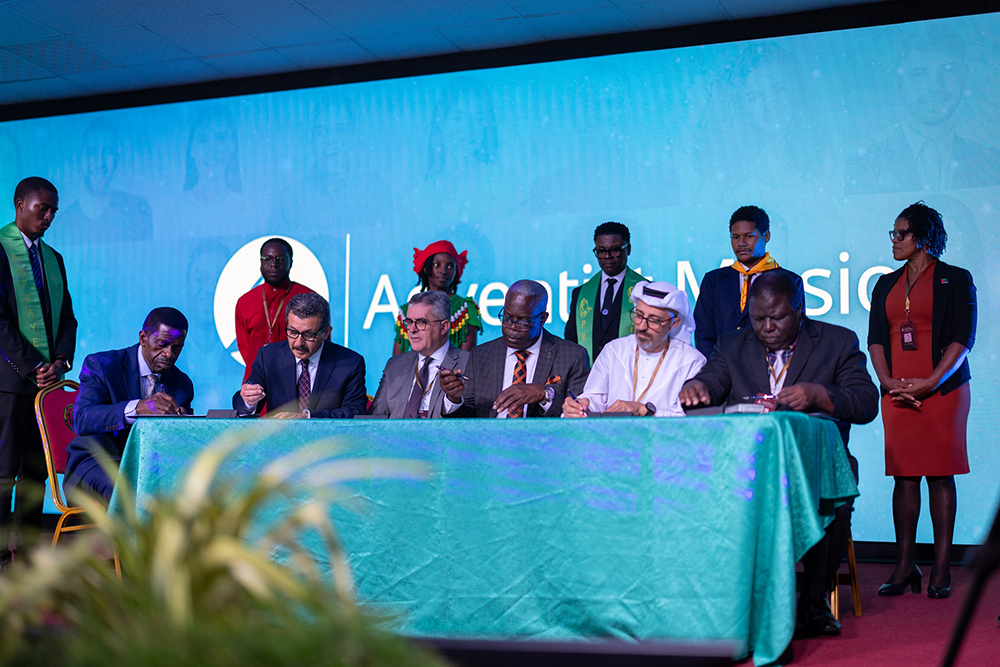
Adventist Leaders Sign MOU to Launch Mission Training Institute in Trinidad and Tobago
Inter-American Division leaders say the new partnership will prepare missionaries for cross-cultural service through global collaboration, training, and student exchanges. June 10, 2026 |…
From the Headquarters
Adventist Leaders Sign MOU to Launch Mission Training Institute in Trinidad and Tobago
Inter-American Division leaders say the new partnership will prepare missionaries for cross-cultural service through global collaboration, training, and student exchanges. June 10, 2026 |…