
Leaders Approve Key Policy Changes to Strengthen and Support Literature Evangelists
September 16, 2025 | Miami, Florida, United States | Libna Stevens, Inter-American Division News
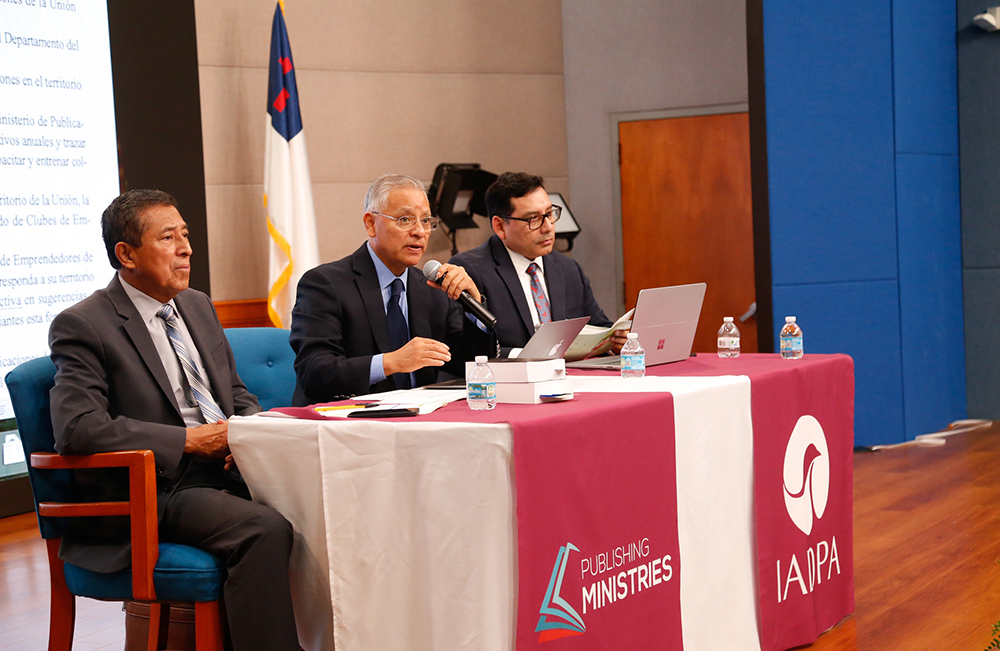
Seventh-day Adventist leaders in the Inter-American Division (IAD) have taken a bold step to support literature evangelists (LEs), approving major policy changes and updates to strengthen and protect their ministry. The move directly affects hundreds of full-time LEs across the territory.
Union presidents and publishing ministries directors reviewed more than 80 pages of policies, removing outdated language and resolving ambiguities that had persisted for over a decade.
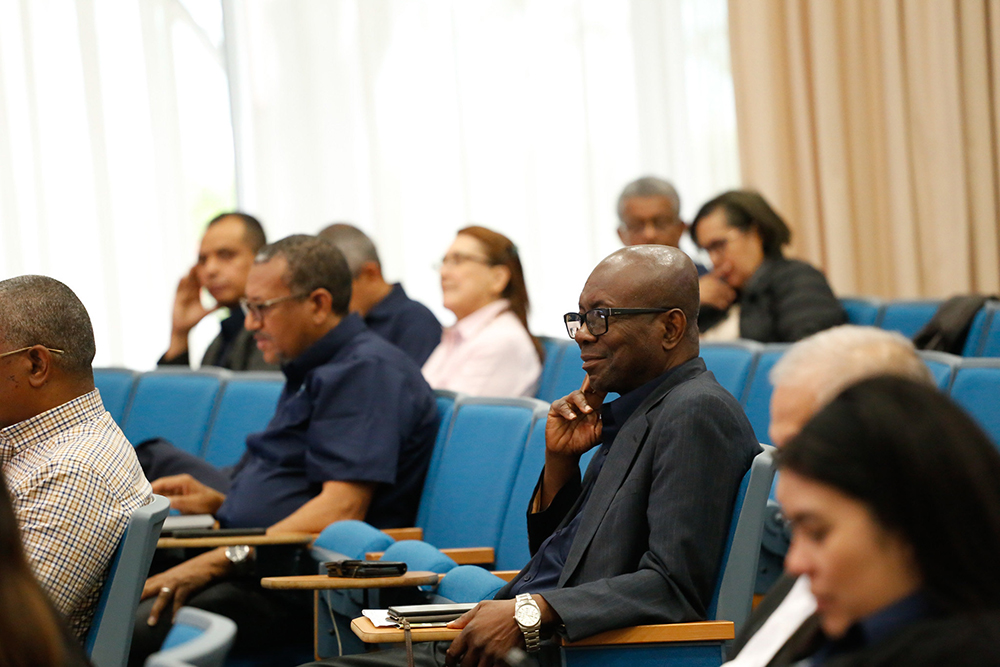
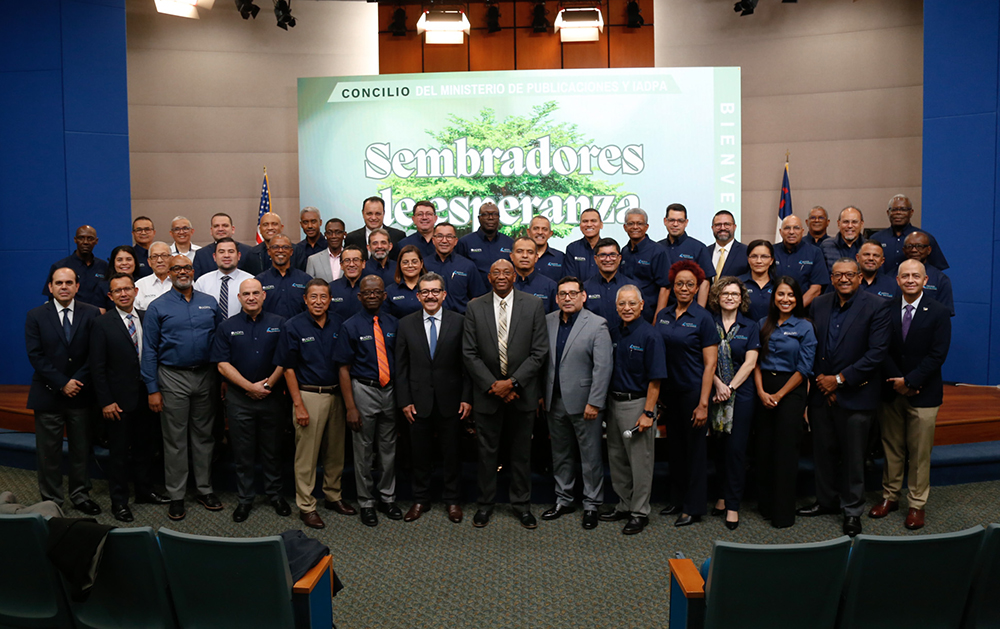
The advisory meetings, held September 1–3 in Miami, Florida, brought together union leaders and editors from the IAD’s two publishing houses, IADPA and GEMA, to discuss the revised policies. Together, they oversee 5,886 literature evangelists, including 1,273 full-time, 2,604 occasional, and 2,009 student canvassers.
“Our publishing ministries policies are extensive. Many administrators and leaders in the territory get confused as they move from one section to the next, because we found inconsistencies and contradictions within the same policies,” explained Espinoza.
“The publishing ministries policies are the longest in the IAD policy book, totaling 84 pages,” he added. “For comparison, the General Conference has only 13 pages. We have worked hard to study each policy and have reduced ours to 60 pages, keeping the structure aligned with the GC’s guidelines.”
Major Policy Changes
Leaders approved four significant changes to the publishing ministries policies, including a new structure for the 1 percent of tithe funds allocated to each union or field. Under the revisions, 20 percent of the funds will go to the retirement fund for eligible literature evangelists. The previous allocations—45 percent for basic needs and 35 percent for professional formation—were removed, giving unions and local fields greater flexibility to use the remaining 80 percent according to their local priorities.
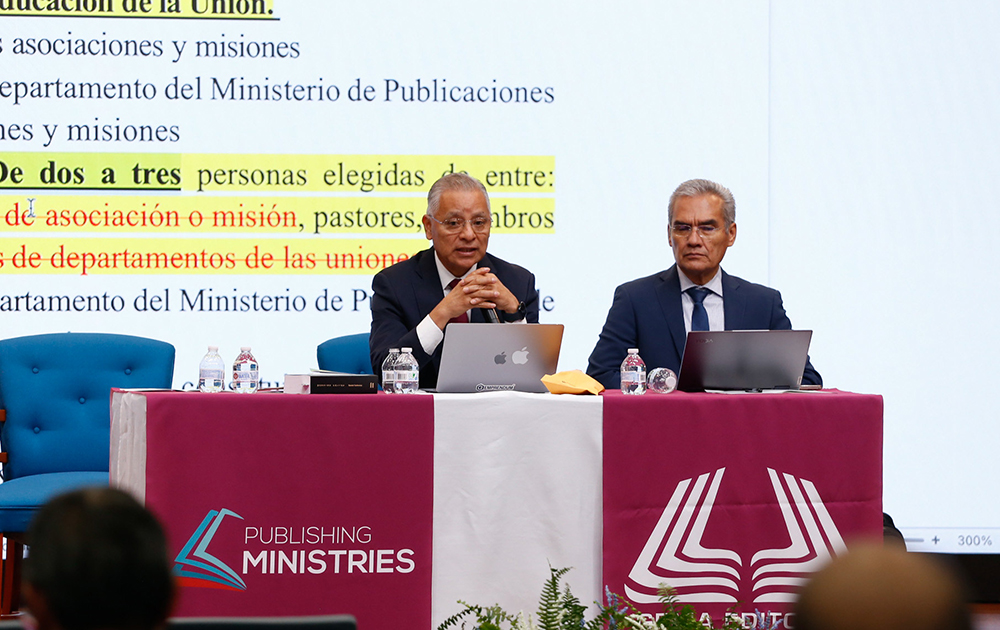
Espinoza explained that full time literature evangelists have been receiving medical, educational, rent, and travel assistance. Under the revised policy, rent and travel allowances will no longer be included, as literature evangelists are not considered church employees and fiscal regulations vary across countries. Medical and educational allowances remain unaffected, as they are provided directly to the institutions offering those services, avoiding legal complications in different regions, leaders said.
Leaders Respond
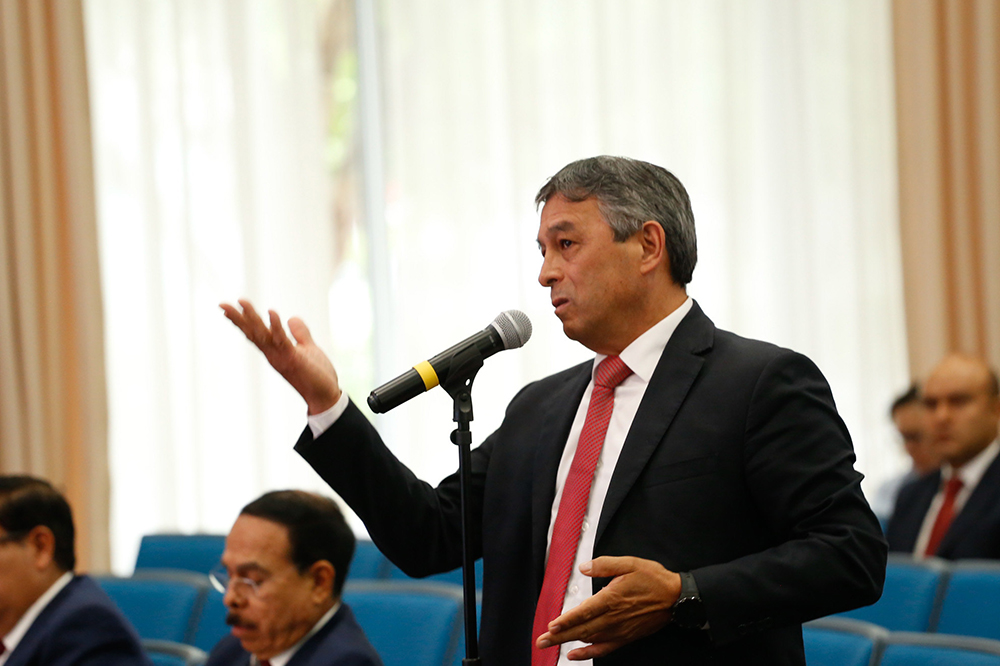
Before the vote, many leaders emphasized that literature evangelists play an integral role in sharing the gospel and should receive the same benefits as other church employees.
“They are an essential part of our mission, and we need to ensure they get the benefits they deserve,” said Pastor Luis Rivera, president of the Puerto Rican Union.
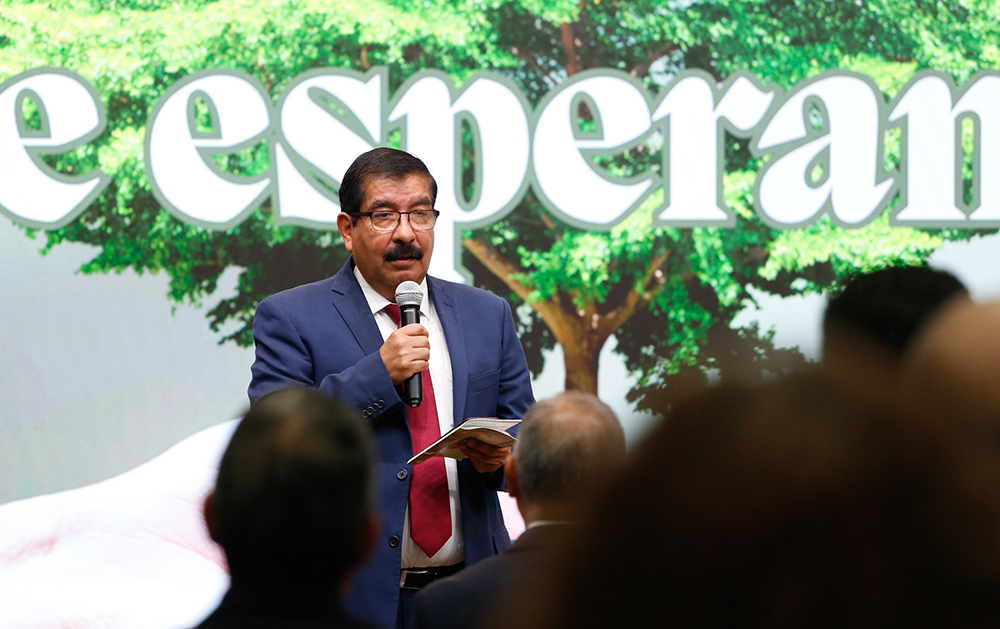
“It had been a long time since we had a committee to review policies and benefits for colporteurs. In our union, we are committed to continuing support for this ministry. It is worth every effort because it greatly contributes to the preaching of the gospel,” he said.
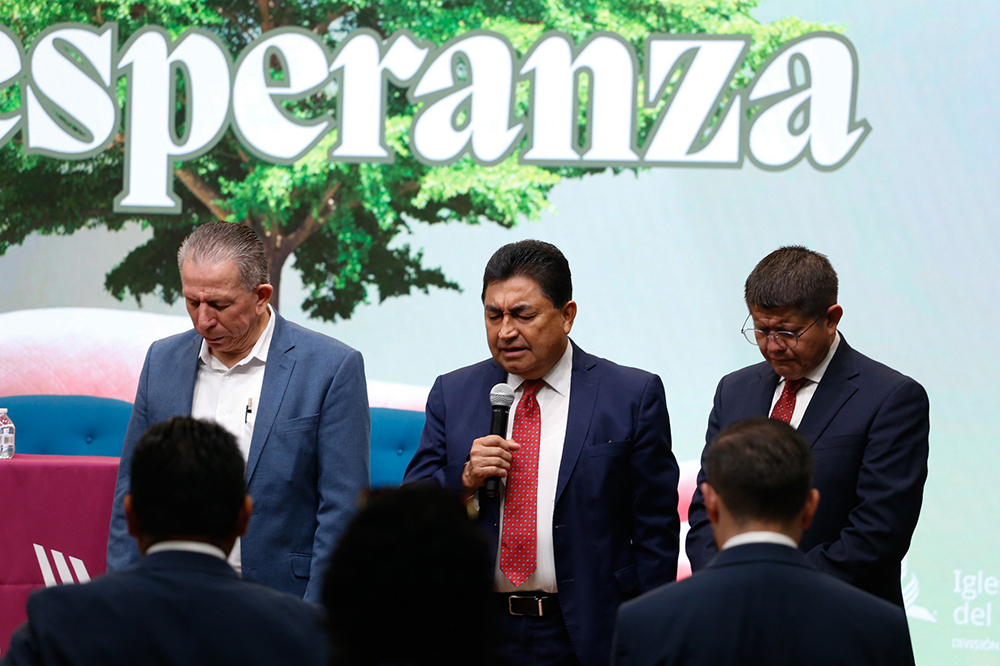
For Roberto Matos, publishing ministries director of the Dominican Union, the updated policies will improve the lives of the 106 full-time and 142 part-time and student literature evangelists in the Dominican Republic. “Reviewing policies and regulations is about enhancing the colporteur’s life and benefits, which in turn helps them feel more committed to the work of the printed page,” he said.
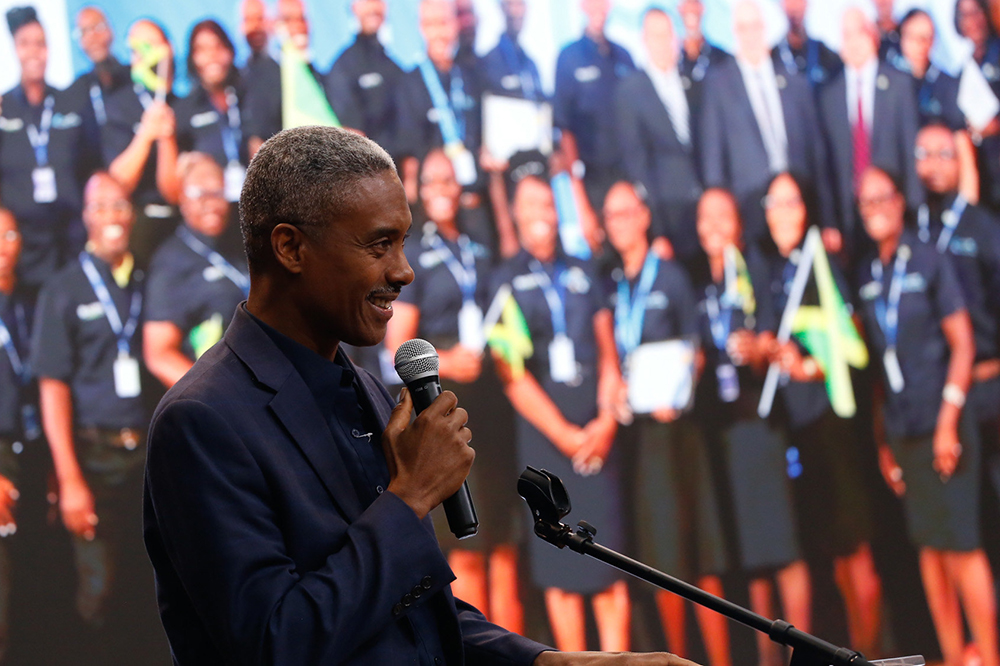
“Some basic benefits, like rent allowance, transportation, and vacation, were removed from the policy because some areas cannot afford them. The reassurance is that each union now has the prerogative to allocate its funds and can choose to maintain or restore these benefits. Retirement remains safeguarded at the division level, while unions have greater flexibility to provide medical, educational, and other support,” he explained.
“As the number of literature evangelists grows, we will need to continually review how to sustain benefits without overextending financially,” Hostin added.
The advisory meetings also included consultations with fiscal specialists to ensure that the department’s strategies remain financially sound and sustainable. Each union presented reports on the progress of publishing ministries across their territories. These not only highlighted advances in outreach and growth but also included personal testimonies and encouraging updates on the expanding number of literature evangelists
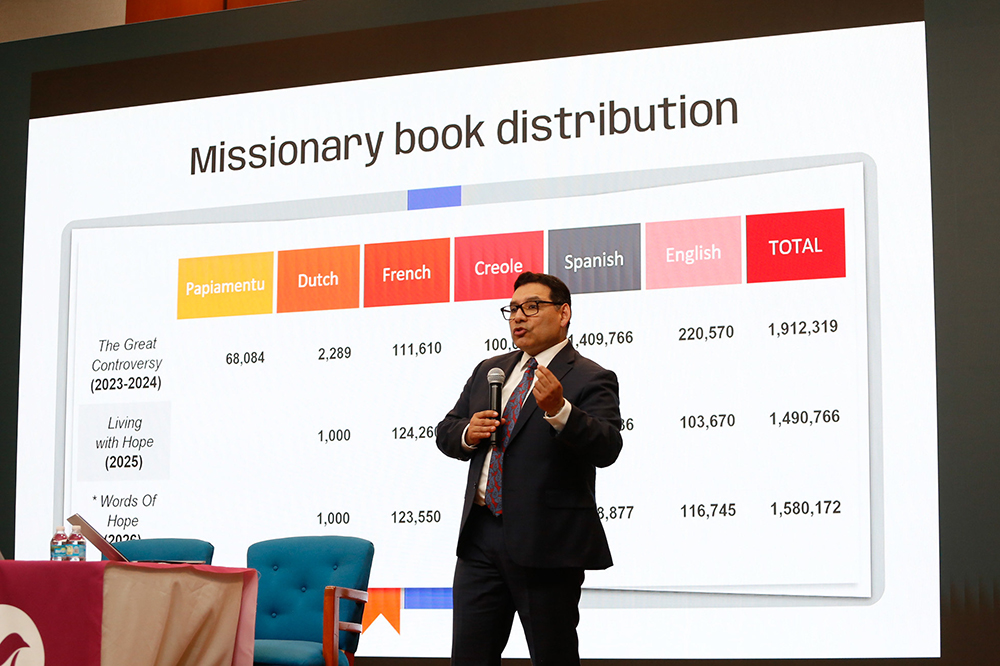
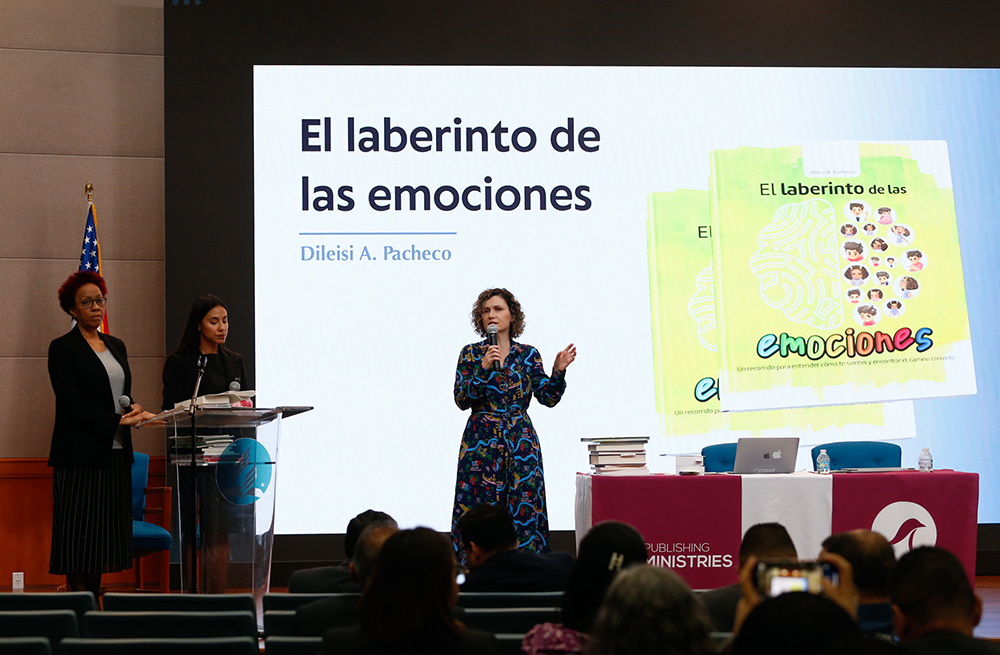
Representatives from IADPA and GEMA shared updates on books and resources available for evangelists throughout the IAD, along with encouraging sales figures.
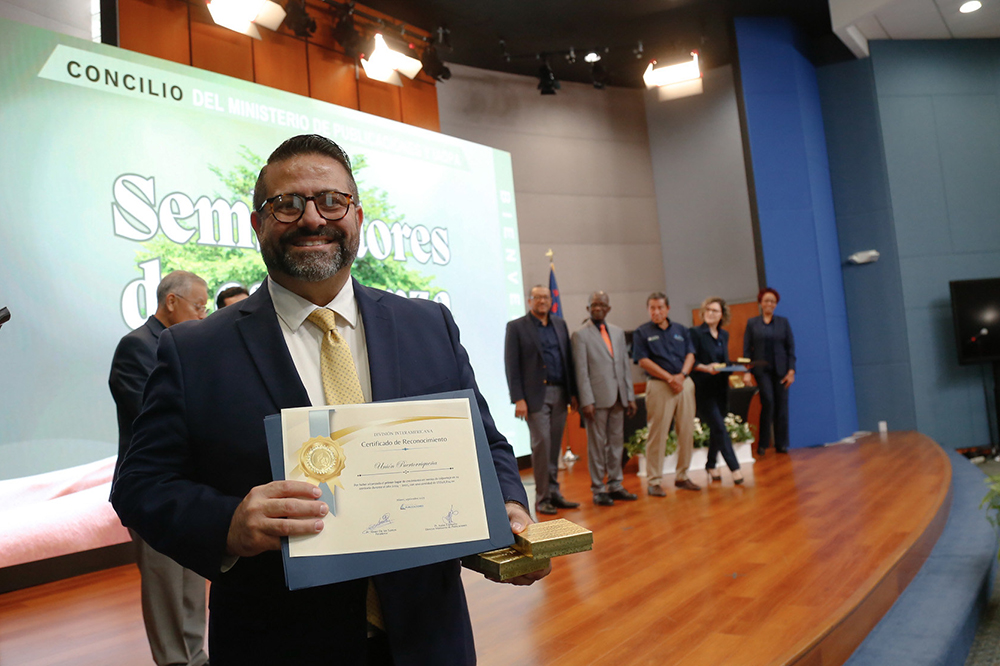
A highlight of the sessions was the recognition of top-performing unions in sales achievements so far this year. For IADPA, the Puerto Rican Union led the way, followed by the North Colombia Union and the Haitian Union. Meanwhile, for GEMA, the North Mexican Union took first place, with the Inter-Oceanic Mexican Union and the Central Mexican Union ranking second and third, respectively.
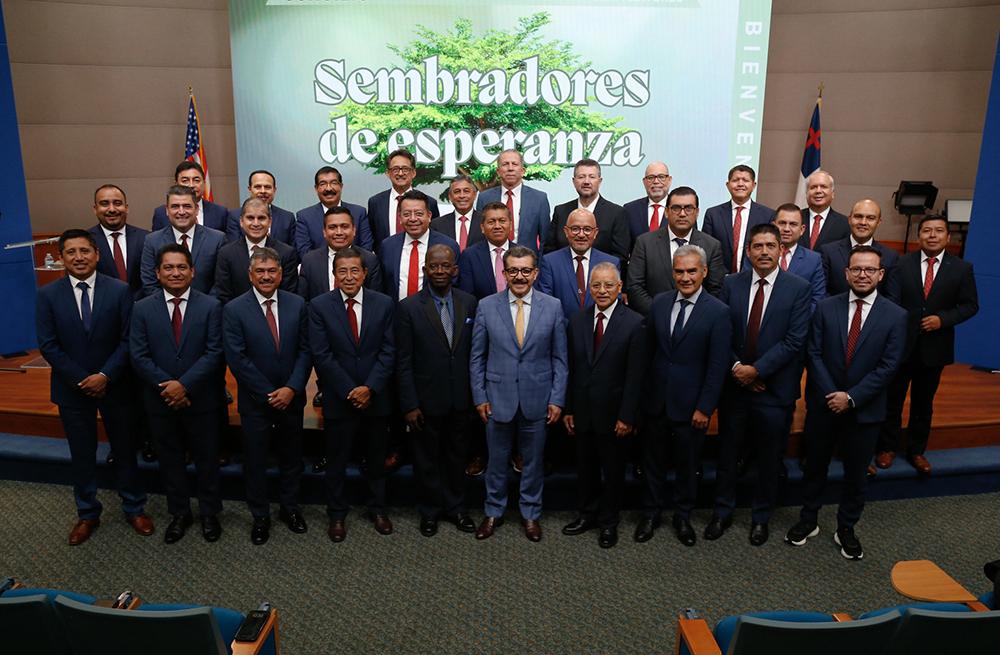
Inter-American Division President Pastor Abner De los Santos appealed to union administrators and publishing ministries leaders to continue seeking creative ways to involve church members at every level in publishing ministries.
“Find ways to involve professionals in our churches in this ministry so they can reach higher spheres,” said Pastor De los Santos. “Do not limit recruitment to members who are unemployed, inviting them to become literature evangelists. We should present publishing ministries as a powerful tool for every member to use.”

“We must sow hope in the hearts of children, women, and adults who have not yet joined our church,” he urged. “For this reason, we need sowers—dedicated members who will engage in fulfilling the important mission of publishing ministries. It is time to step out of our comfort zones and challenge our brothers and sisters to become sowers of hope as well. Books can reach places where missionaries have never set foot,” De los Santos concluded.
Related news
 From the Field
Blind Theology Graduate Overcomes Barriers to Answer God’s Call
Colombian Adventist completes theology degree after seven years of academic, financial, and accessibility challenges June 11, 2026 | Medellín, Antioquia, Colombia | Cristin Serrano…
From the Field
Blind Theology Graduate Overcomes Barriers to Answer God’s Call
Colombian Adventist completes theology degree after seven years of academic, financial, and accessibility challenges June 11, 2026 | Medellín, Antioquia, Colombia | Cristin Serrano…
 From the Headquarters
To Find Ways to Reach Secular People, First We Need to Understand Them
Adventist mission expert explains where they are and what missionaries can do about it. June 10, 2026 | Port of Spain, Trinidad and Tobago…
From the Headquarters
To Find Ways to Reach Secular People, First We Need to Understand Them
Adventist mission expert explains where they are and what missionaries can do about it. June 10, 2026 | Port of Spain, Trinidad and Tobago…
 From the Headquarters
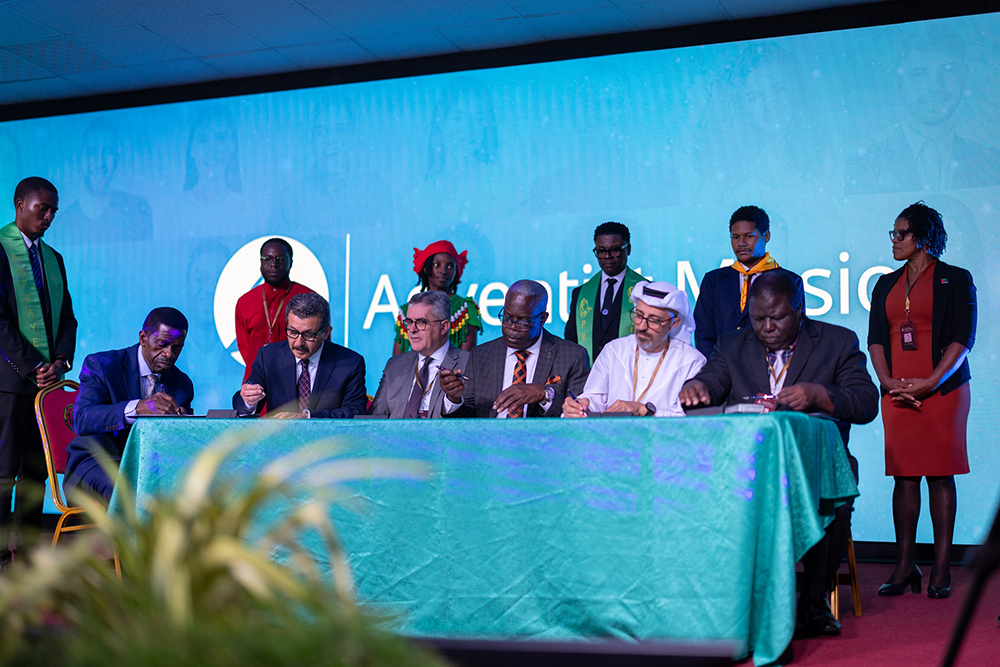
Adventist Leaders Sign MOU to Launch Mission Training Institute in Trinidad and Tobago
Inter-American Division leaders say the new partnership will prepare missionaries for cross-cultural service through global collaboration, training, and student exchanges. June 10, 2026 |…
From the Headquarters
Adventist Leaders Sign MOU to Launch Mission Training Institute in Trinidad and Tobago
Inter-American Division leaders say the new partnership will prepare missionaries for cross-cultural service through global collaboration, training, and student exchanges. June 10, 2026 |…