
More than 20,000 Reached Through Nationwide Health Outreach in Nicaragua
April 29, 2026 | Managua, Nicaragua | Kimberly Solís and Libna Stevens, Inter-American Division News
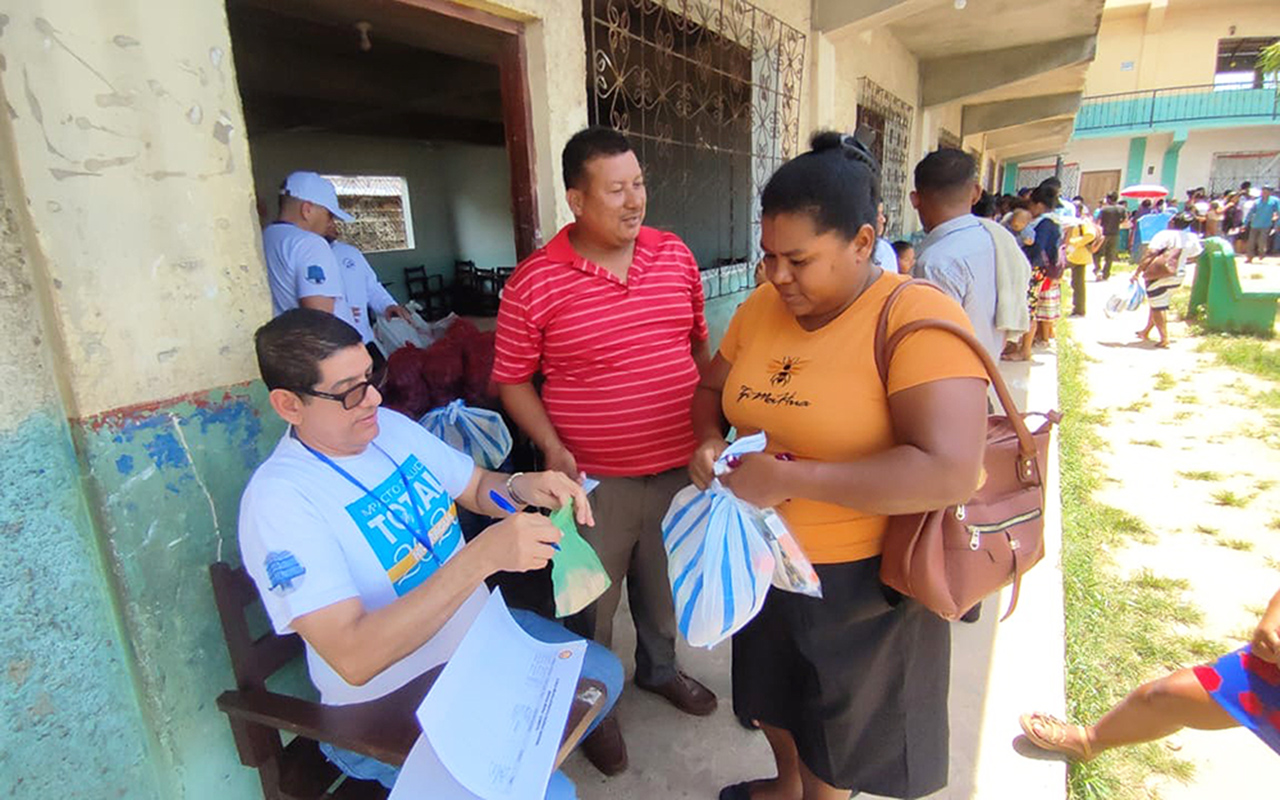
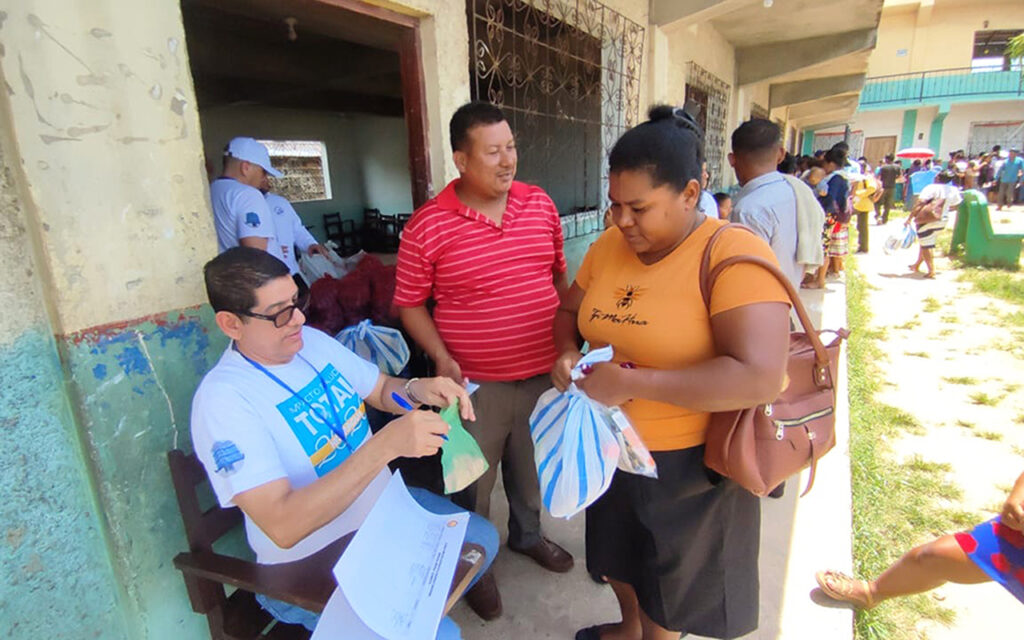
More than 20,000 people benefited from a large-scale health impact across Seventh-day Adventist churches, community centers, and parks throughout Nicaragua from April 5–12. The weeklong initiative included health expos, medical consultations, and blood drives, engaging members of all ages in hundreds of communities.
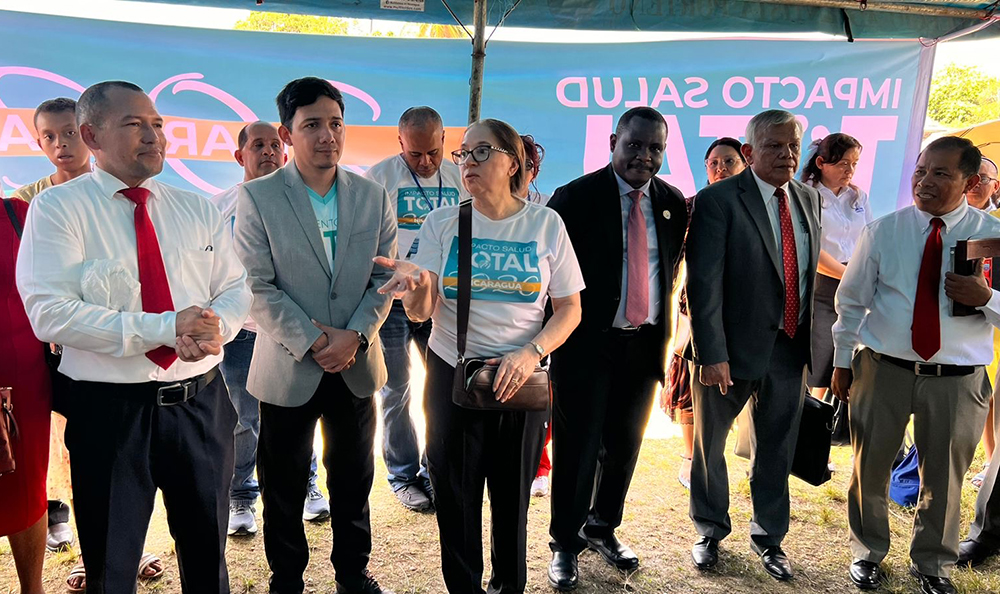
The initiative was part of Total Health Impact, a coordinated effort across the Seventh-day Adventist Church in the Inter-American Division (IAD) that launched in Central America this year, mobilizing health professionals and church members to promote healthy lifestyles through community outreach.
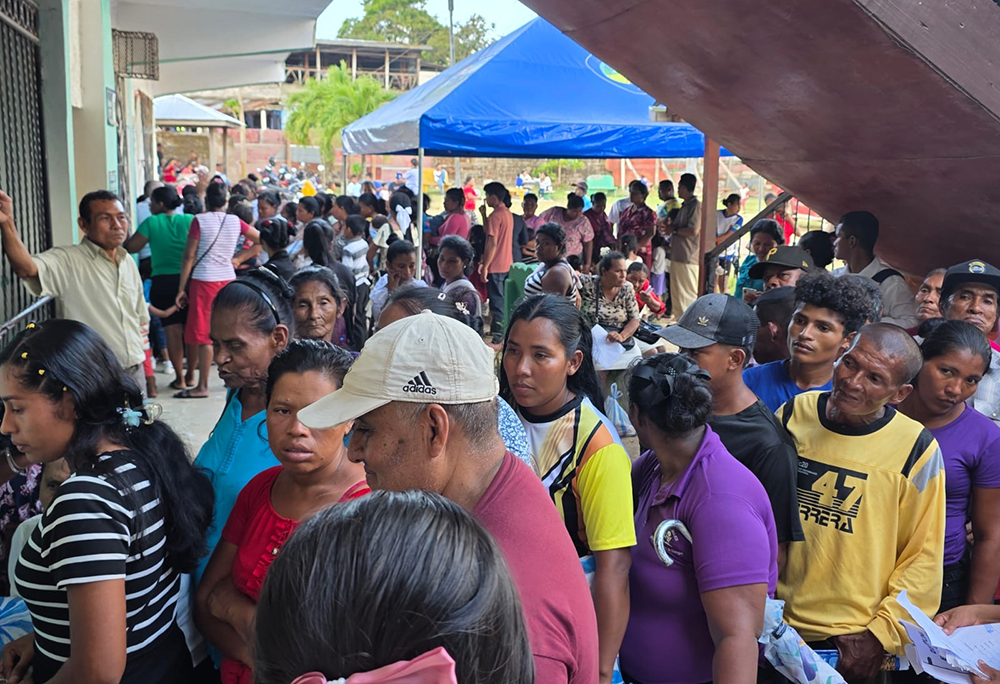
The large-scale outreach was coordinated with evangelistic efforts across Nicaragua, helping strengthen more than 100 centers of influence where individuals first reached through health activities could continue engaging through ongoing programs and spiritual outreach.
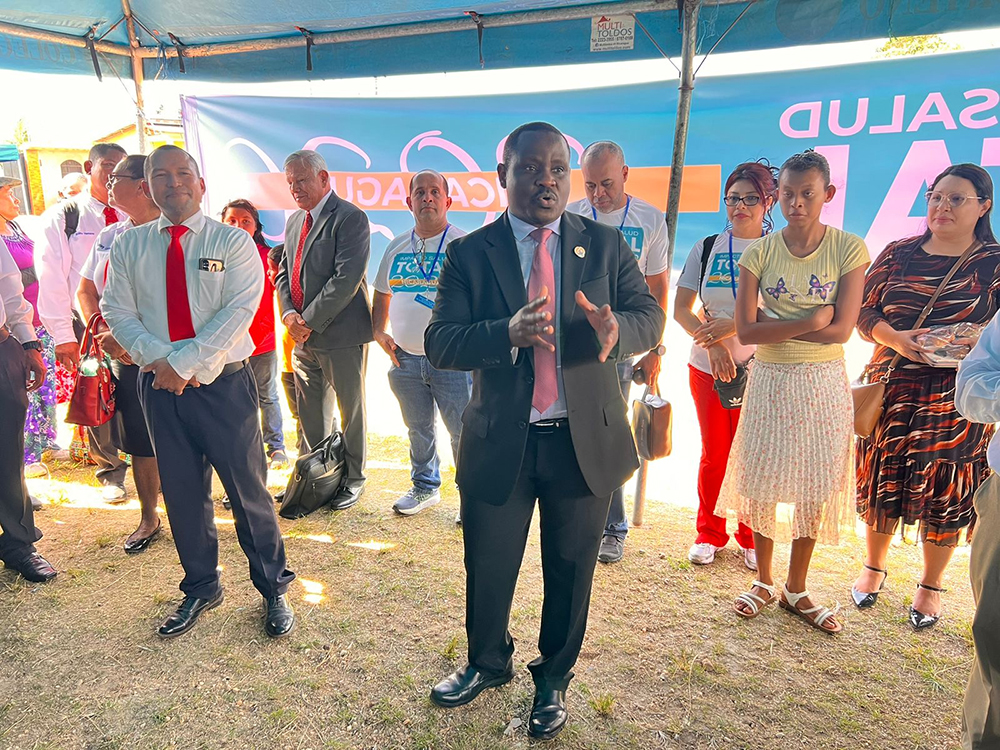
Franck Généus, M.D., health ministries director of the IAD and lead organizer of the Total Health Movement initiative, described the impact in Nicaragua as significant. He was joined by a team from the Health-Promoting University program at Montemorelos University—part of the leadership supporting the church’s “I Want to Live Healthy” initiative—and took part in activities in Puerto Cabezas, where more than 5,000 people were reached in one day on Apr. 11.
Church-wide Effort Strengthens Community Service
Généus said the initiative centers on service as a core expression of the church’s mission, reflecting a broader understanding of health ministry.
“This initiative unites members, departments, and institutions—and that is exactly what we saw.”
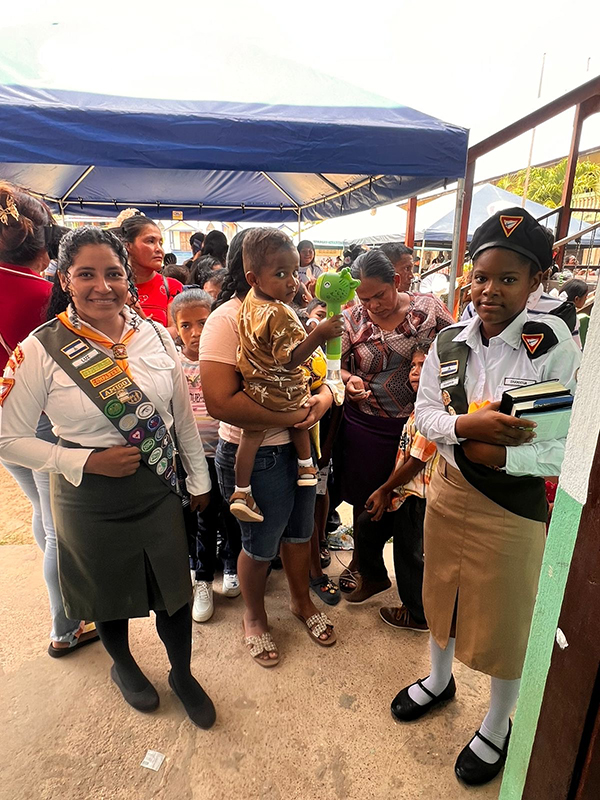
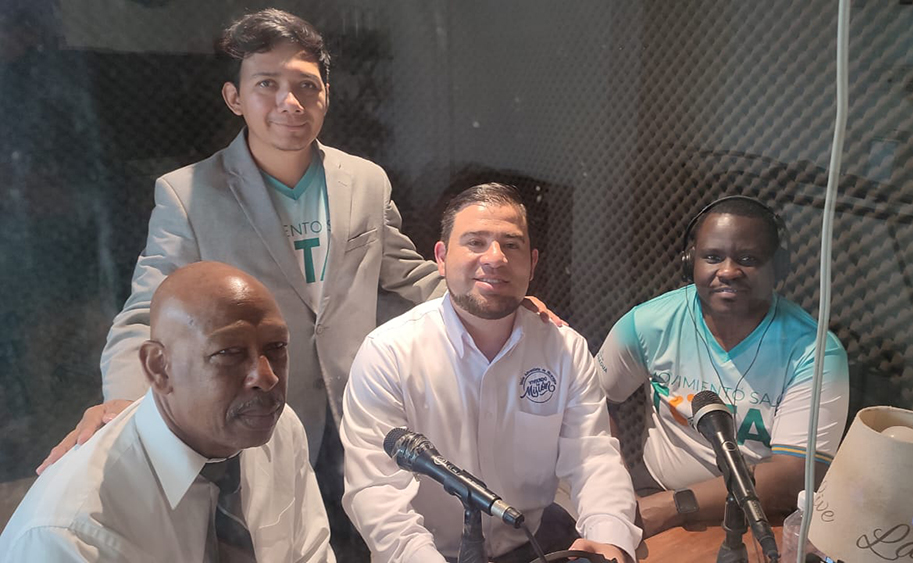
Health ministry is not just for healthcare professionals, but for every church member, explained Généus. “We are talking about wholistic health, addressing not only physical needs but all dimensions of well-being.” Dr. Généus along with church leaders visited radio stations that carried the impact throughout the week nationally.
Local church leaders reported more than 170,000 were reached through digital platforms, expanding the message of healthy living across the country.
“The Total Health Impact in Nicaragua was not just a week—it was a demonstration of love in action,” she said. “Through health fairs, medical brigades, seminars, school presentations, blood drives, and community outreach, thousands were impacted and communities were blessed.”
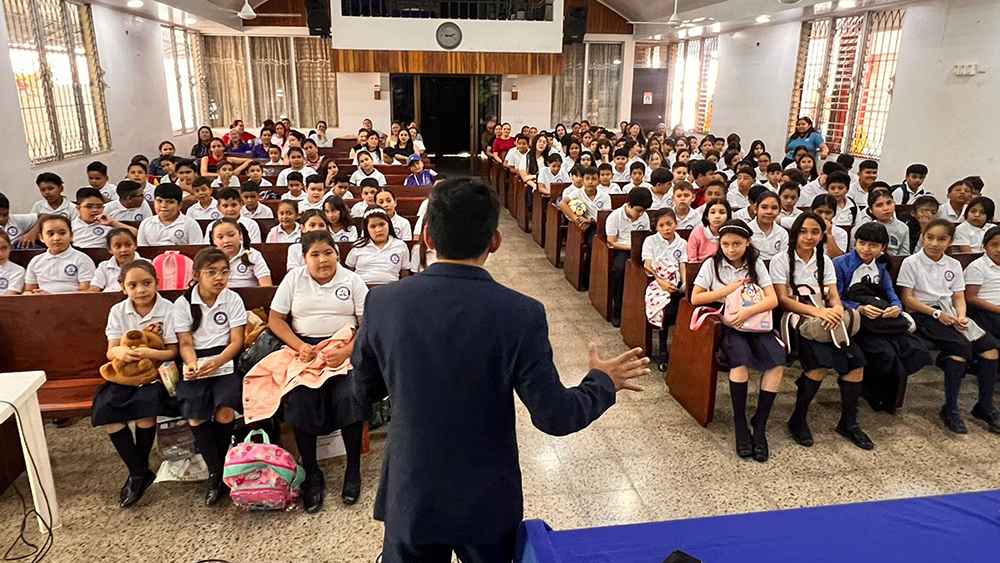
Education played a key role in the Total Health Impact, reaching more than 1,600 students and parents in Adventist schools across Nicaragua—many of whom are not members of the church.
In Matagalpa, the Adventist Private School organized a health fair centered on the eight natural remedies, where students led presentations and shared practical lessons on healthy living with their families.
“We organized a health fair where students explained the importance of each natural remedy,” said María Mercedes Cardoza, school administrator. “The goal was to help families understand how to care for their health and apply these principles at home.”
“It was very meaningful for both children and adults,” said one participating mother. “We learned how to prevent diseases and improve our habits at home.”
Leaders emphasized that the initiative extends beyond a single week of activities. “We want to emphasize that this work is not limited to one week,” said Dr. David Caldera, health ministries director for Central Nicaragua Conference. “It continues in our churches through ongoing, community-focused programs that address both spiritual and physical needs and promote better quality of life.”
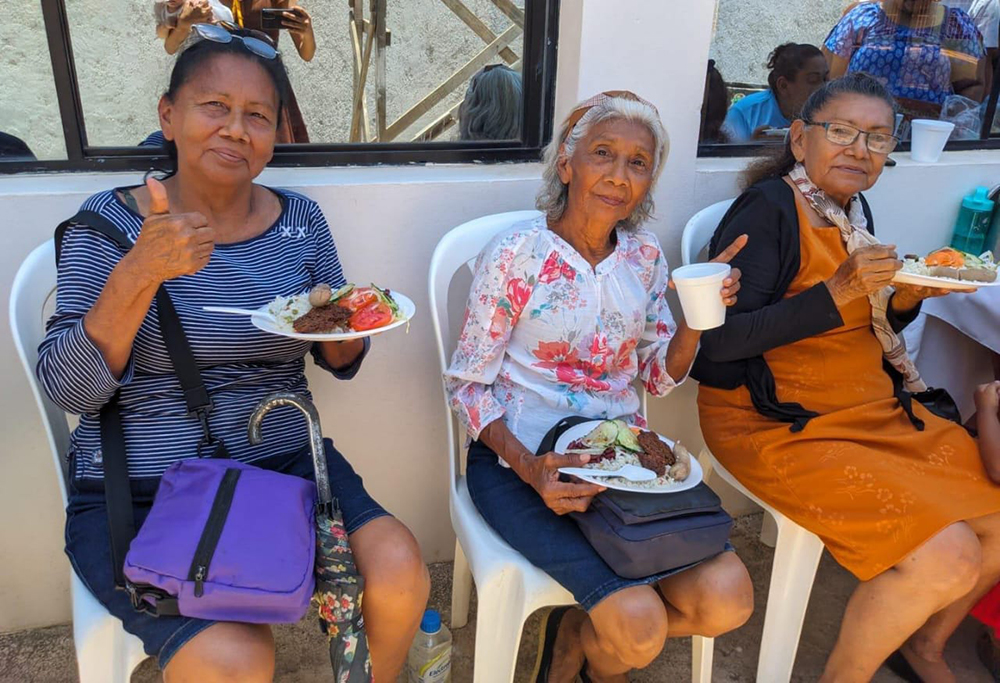
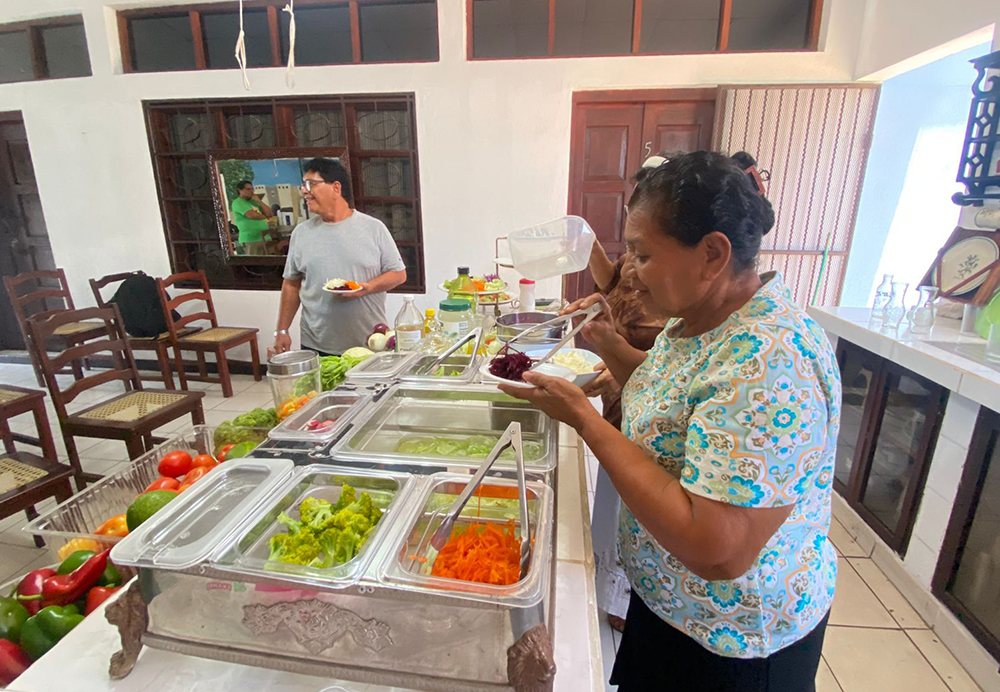
The movement took place in connection with World Health Day and brought together churches, educational institutions, centers of influence, volunteers, and health professionals in a coordinated effort focused on prevention, education, and community service. Activities also included educational talks, community walks, and the distribution healthy meals throughout the week.
More than 10,000 meals were distributed across over 100 churches and centers of influence between April 6–17, alongside health education on nutrition, disease prevention, and mental health, as well as blood drives coordinated with local institutions.
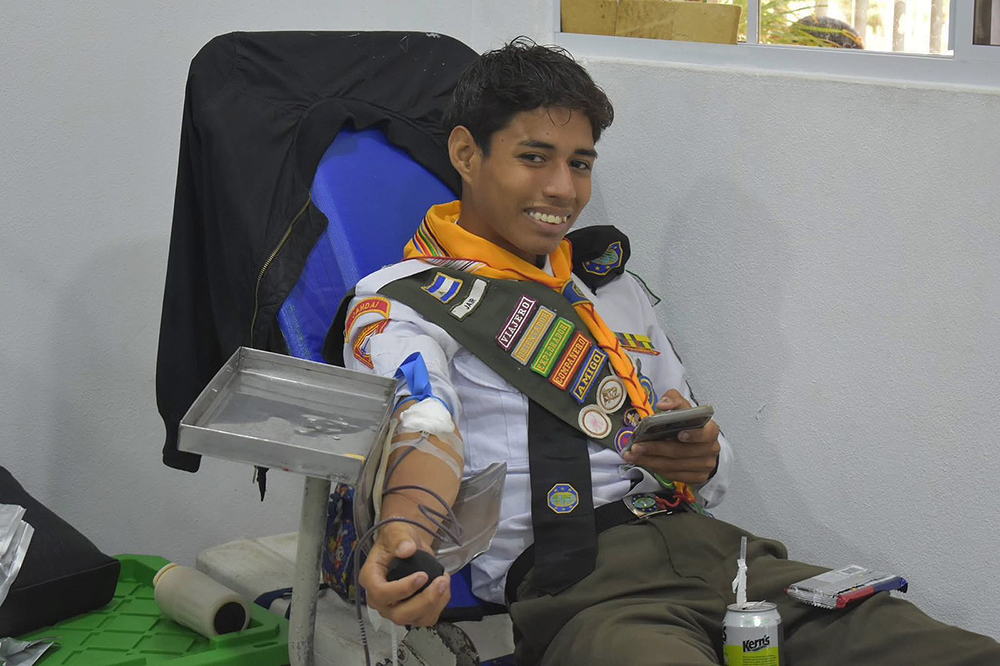
“During this visit across Nicaragua, we have seen an overwhelming response from parents and students,” said Adriel Vega, operational coordinator of the Health-Promoting University program at Montemorelos University. “This demonstrates the real impact being achieved in communities.”
Focus on Long-Term Health and Community Transformation
Leaders said Total Health Impact is part of a broader strategy to promote lasting lifestyle changes through prevention, education, and healthy habits, including virtual initiatives, community outreach, and targeted efforts for children, youth, and vulnerable families—adding that its true impact will be measured in long-term behavior change and the transformation of communities through sustained service.
Across Central America, Seventh-day Adventists in Panama, Costa Rica, Honduras, El Salvador, and Guatemala also reached thousands during the region-wide week of health outreach last month.
Related news
 From the Field
Translation test 12
Artificial Intelligence can help researchers ask better questions, researchers say. July 22, 2026 | Berrien Springs, Michigan, United States | Andrews University Focus and Lake Union…
From the Field
Translation test 12
Artificial Intelligence can help researchers ask better questions, researchers say. July 22, 2026 | Berrien Springs, Michigan, United States | Andrews University Focus and Lake Union…
 From the Field
Translation test 11
José Luis Olmos outlines a vision of excellence, Christian service, and unity for the university community. July 20, 2026 | Montemorelos, Nuevo León, Mexico…
From the Field
Translation test 11
José Luis Olmos outlines a vision of excellence, Christian service, and unity for the university community. July 20, 2026 | Montemorelos, Nuevo León, Mexico…
 From the Field
Translation test 10
More than 1,200 food packages distributed in Quibdó as rescue teams, ADRA, church leaders, and volunteers assist affected families. August 24, 2026 | Medellín,…
From the Field
Translation test 10
More than 1,200 food packages distributed in Quibdó as rescue teams, ADRA, church leaders, and volunteers assist affected families. August 24, 2026 | Medellín,…