
Adventists Say ‘No To Violence’ Across Inter-America
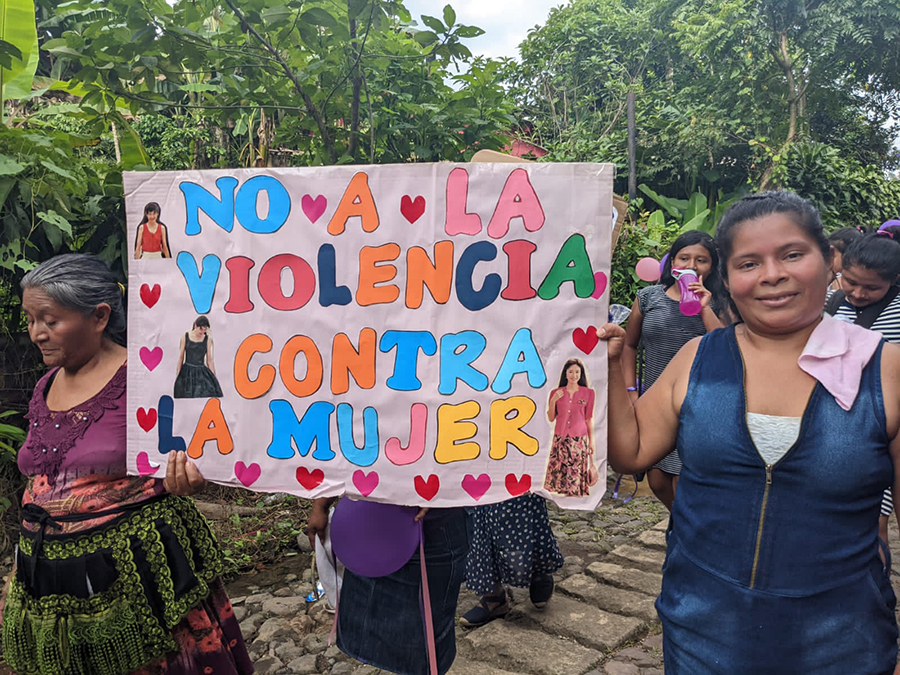
Seventh-day Adventists throughout the Inter-American Division (IAD) called for an end to violence during the “Enditnow” campaign held recently. Enditnow is an annual global initiative to raise awareness and advocate for the end of violence. It aims to mobilize Seventh-day Adventists around the world and invites other community groups to join in to resolve this worldwide issue.
Thousands marched across streets on Aug. 27, in Mexico, Central America, the Caribbean and Venezuela to take a stand against violence against women and children.
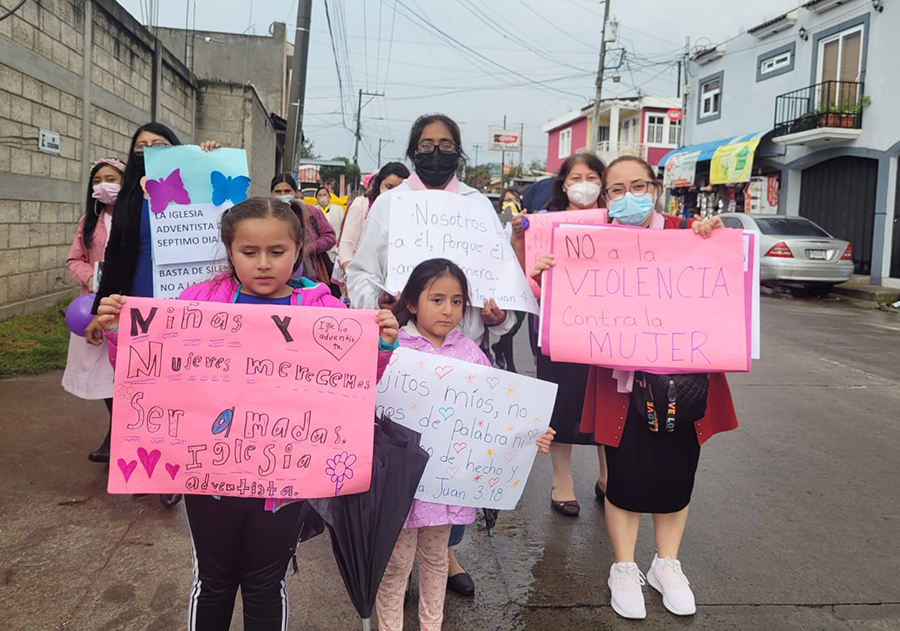
This year, women’s ministries leaders focused on highlighting “abuse of power” which can be difficult to address and not usually spoken about at church, said Espinoza. “Excessive or improper use of authority which can include lack of empathy, coercion, neglecting others and manipulation of one’s needs is defined as abuse of power,” she said. “Detecting abuse of power could be seen when others do not respect your boundaries or beliefs, when there’s humiliation, extortion or intimidation.” As Christians, it’s important to say something or speak to someone when abuse is seen or felt, she said.
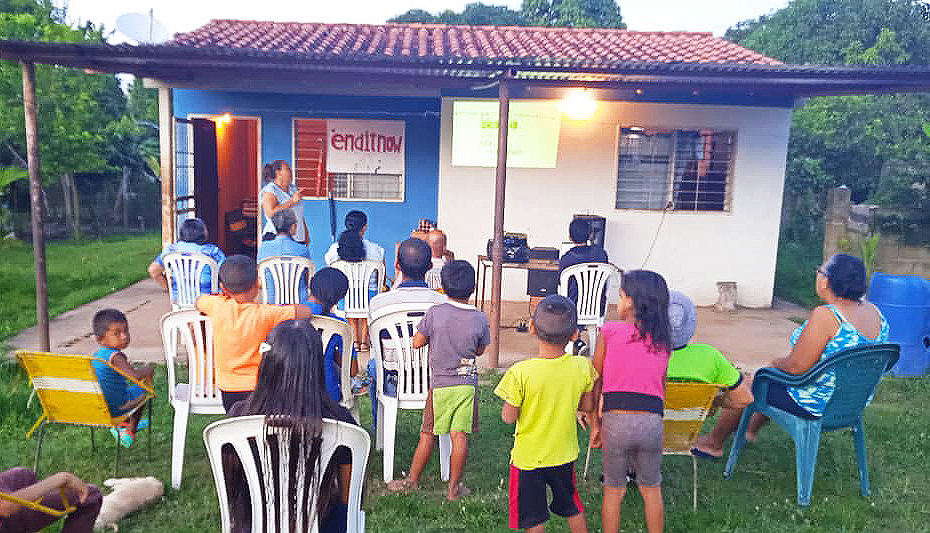
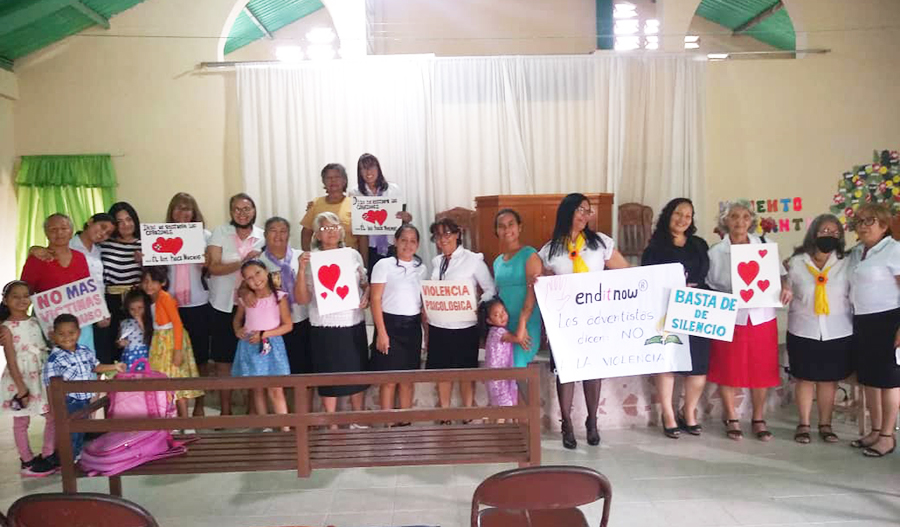
Thousands gathered at hundreds of churches in the East Venezuela Union to gather for a week of Enditnow meetings, seminars, and community impact activities Aug. 20-27, 2022. “We spoke on pertinent messages which included how to recognize and prevent child abuse and violence in the marriage,” said Raquel Medina de Paredes, women’s ministries director for East Venezuela Union. “We wanted to focus on holding marches and reaching out as a collective group and in a personal way in more vulnerable communities,” she said.
The week featured radio programs on identifying and preventing abuse of power as well as the distribution of literature on abuse, and highlighting presentations and messages through social media platforms.
On the streets
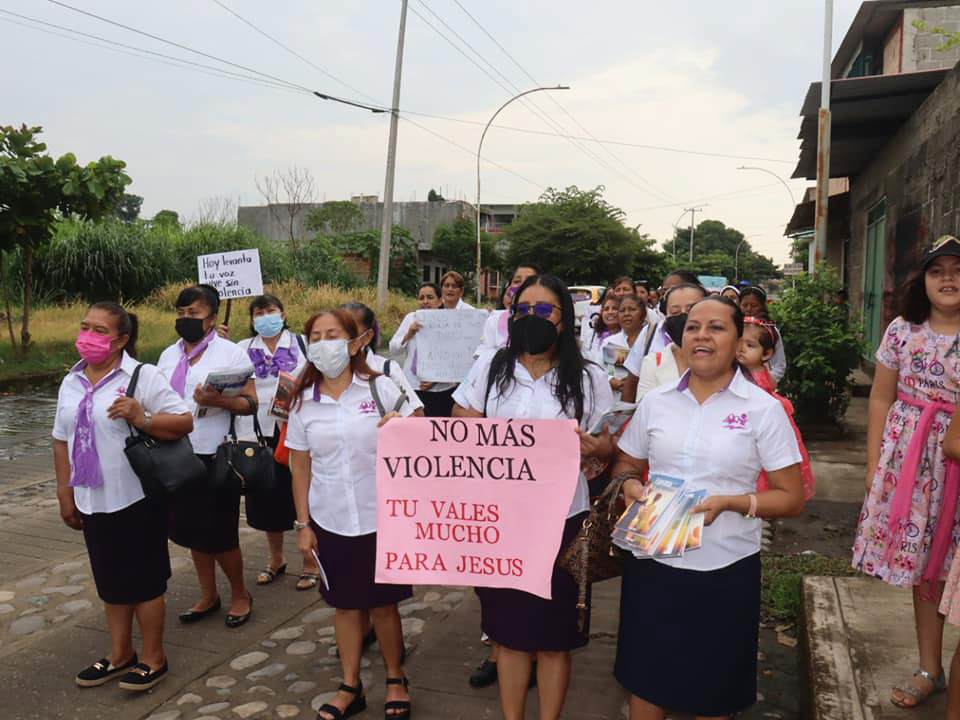
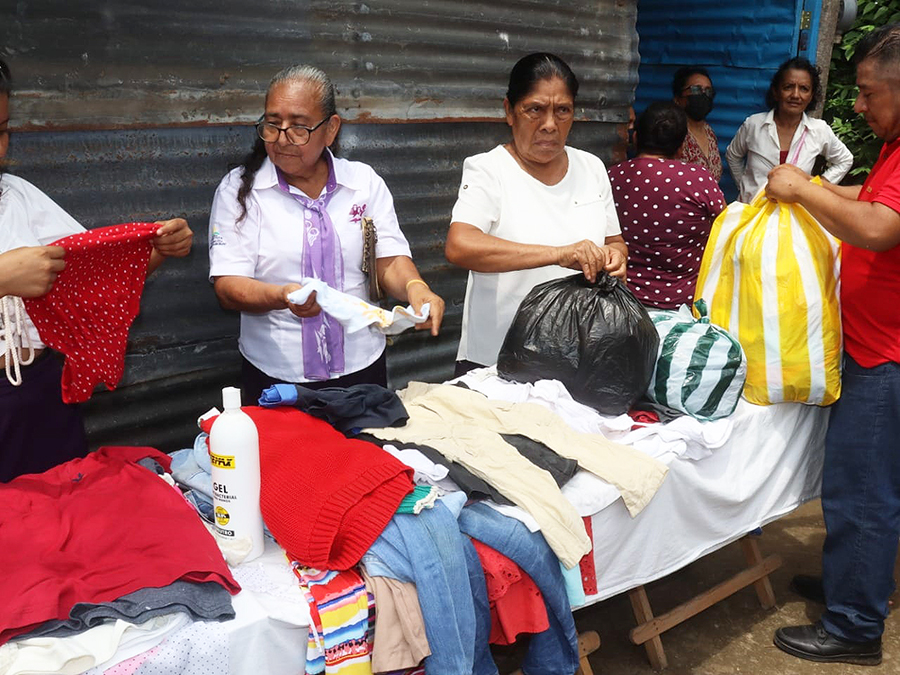
In Chiapas, Mexico, hundreds of women took to the streets not only with signs and posters on ending violence but also carried bags of food and literature to distribute in the community. Women visited the sick in hospitals, brought gifts, and sang and prayed with them. The day’s impact under the Enditnow theme saw Seventh-day Adventists also distributing water, meals, and clothing. They also prayed with onlookers and offered free medical check-ups to low-income families in dozens of communities.
Guatemala also saw hundreds of members young and old spreading the Enditnow message across each one of the eight conferences and missions operated by the church.
“Each year the statistics on violence against women and children are very alarming,” said Lety Martínez, women’s ministries director of the Guatemala Union. “There’s an average of 27 homicides for each 100,000 inhabitants in Guatemala, according to a recent national report.” Out of the 363 homicides reported in January, 54 victims were women, she said. “It’s alarming that Guatemala recorded a total of 652 femicides, which is 28 percent higher than in 2020. It was important to continue spreading awareness as a church throughout our country.”
Church operated radio stations across Costa Rica and Nicaragua aired programs on ending violence.
Throughout communities
Church members across the Caribbean islands marched throughout the streets against domestic violence and abuse of any form. St. Vincent and the Grenadines members marched and held a rally. They spoke on the church’s commitment to advocating for an end to violence against women and children – and not just during the annual Enditnow campaign. In Antigua, Pathfinders marched through the main streets against violence of all forms bearing signs and posters.
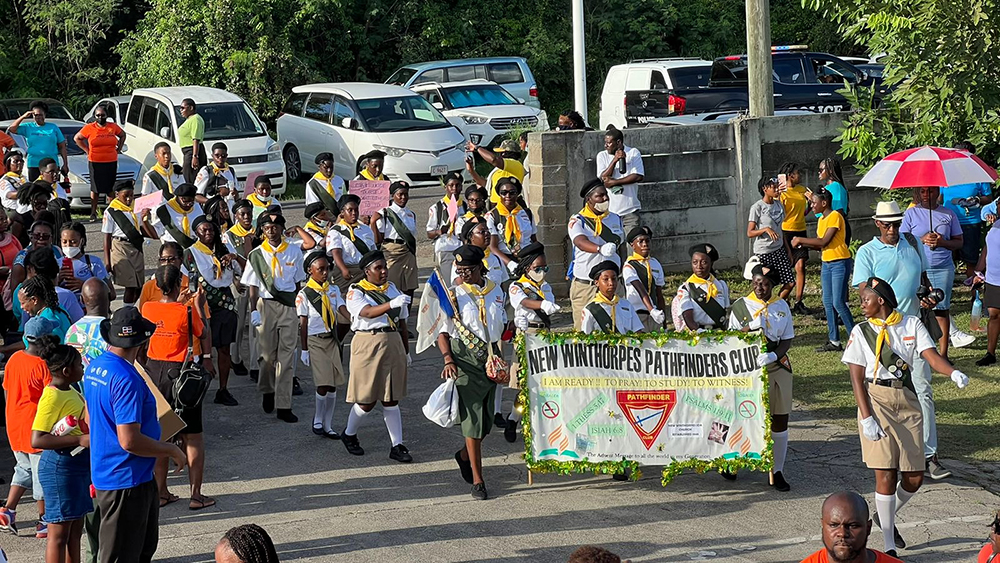
Jamaica saw hundreds of master guides and youth leaders in the streets to raise awareness in support of Enditnow.
Church members joined the uniformed group in Mandeville, Manchester, marching from the Mandeville Seventh-day Adventist Church to the Town Center, distributing literature to motorists and those they passed along the way.

Steven’s Rosado, Yosainy Osaya, Gustavo Menendez and Ruth Ann Brown contributed to this report.
Related news
 From the Field
Blind Theology Graduate Overcomes Barriers to Answer God’s Call
Colombian Adventist completes theology degree after seven years of academic, financial, and accessibility challenges June 11, 2026 | Medellín, Antioquia, Colombia | Cristin Serrano…
From the Field
Blind Theology Graduate Overcomes Barriers to Answer God’s Call
Colombian Adventist completes theology degree after seven years of academic, financial, and accessibility challenges June 11, 2026 | Medellín, Antioquia, Colombia | Cristin Serrano…
 From the Headquarters
To Find Ways to Reach Secular People, First We Need to Understand Them
Adventist mission expert explains where they are and what missionaries can do about it. June 10, 2026 | Port of Spain, Trinidad and Tobago…
From the Headquarters
To Find Ways to Reach Secular People, First We Need to Understand Them
Adventist mission expert explains where they are and what missionaries can do about it. June 10, 2026 | Port of Spain, Trinidad and Tobago…
 From the Headquarters
Adventist Leaders Sign MOU to Launch Mission Training Institute in Trinidad and Tobago
Inter-American Division leaders say the new partnership will prepare missionaries for cross-cultural service through global collaboration, training, and student exchanges. June 10, 2026 |…
From the Headquarters
Adventist Leaders Sign MOU to Launch Mission Training Institute in Trinidad and Tobago
Inter-American Division leaders say the new partnership will prepare missionaries for cross-cultural service through global collaboration, training, and student exchanges. June 10, 2026 |…