
Point of Order
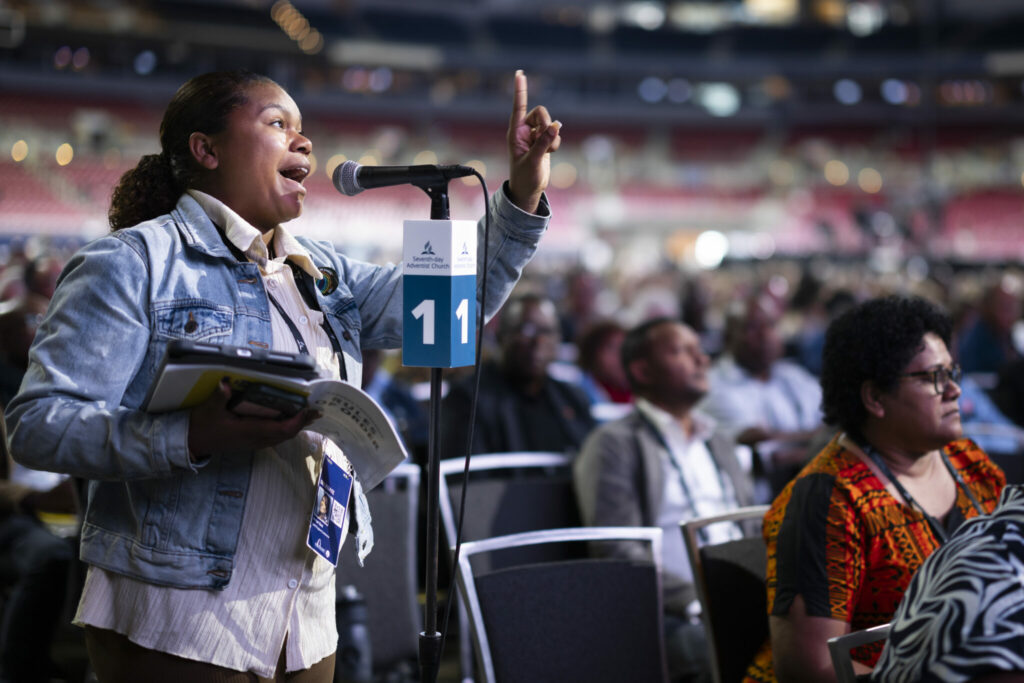
At the General Conference (GC) Session, church representatives from across the globe, at all levels of the church, gather to review, discuss, and, if necessary, amend church policies and other important documents and processes. But this isn’t where church decisions begin. They start at the local level.
Using whatever methods are standard in their culture, leaders are elected into roles within their local churches. Then areas are organized into progressively larger groups: conferences, unions, and the General Conference.
These processes are based on the guide created in 1876 by American Henry Martyn Robert, which is now used in many, if not nearly all, official business proceedings in the U.S. The church’s version is much more concise and church-specific than Robert’s, but follows the same basic principles.
Following any official rules of order for conducting business can be overwhelming, even to the chair of the meeting at GC Session. “Yes, there are things that give me anxiety [as chair],” admitted Andersson. She gave an example of how she missed someone waiting to speak at a microphone and started the next segment of the meeting without allowing them their two minutes at the mic.
The rules can also bring anxiety or confusion to delegates on the floor who are new to the role, or who come from places in the world where business is conducted somewhat differently. This can lead to regular questions of clarification from delegates on the floor. And when a delegate indicates they have a question about a point of order, their name automatically goes to the top of the list as a priority comment so they will be called on quickly. This is an effort to avoid continuing too far down a road that may not be properly following the rules of order.
However, “not every point of order brought to the mic is a point of order,” Andersson said. A point of order is something that deals with a procedural issue or the comfort of the delegates. For example, when the Portuguese translation wasn’t working, that was a point of order, Andersson said, because there were people who couldn’t understand what was going on.
Sometimes these interruptions—along with a constant stream of comments on constitution, bylaws, and the Church Manual—can be frustrating, as it can slow down progress through the meeting’s agenda.
“I understand the frustration of the moment as hour after hour drags on, and people attempt to make edits from the floor, or say that something about the process is being carried out wrongly,” commented Ginger Ketting-Weller, delegate and president of Adventist International Institute of Advanced Studies (AIIAS) in Silang, Philippines, in a Facebook post. But, she points out, this frustration may be a “bit shortsighted or narrow-minded.”
Some delegates, Ketting-Weller says, have years of experience under their belts and know Robert’s Rules of Order “like the back of our hand.” Others, however, may come from a background where this is not the standard way of doing business, or perhaps are in their first few years of their career and the entire process of even having “rules of order” is foreign.
“Those for whom this process is new are watching and learning with each amendment suggested, each parliamentarian ruling, each chair’s decision made,” she adds. “And learning takes time and patience.”
To help with this learning curve, the GC offers training videos on the business meeting procedure and rules of order, which are made available to all delegates prior to each GC Session. The goal is to minimize confusion and capitalize on efficient use of meeting time.
“I want to spend more time helping delegates understand you can’t edit documents on the floor,” Andersson said. “I’ve been a delegate, and you want to come and feel you made a contribution [beyond waving a card or using Election Buddy]. But at the same time, if someone has said what you want to say, maybe you don’t need to say it. . . . These things are difficult.”
Ketting-Weller agrees things could be done better; she suggests, for example, a “little parliamentarian” at the mics to double-check that a point of order inquiry is actually a point of order.
Overwhelmingly, however, Ketting-Weller says what happens on the floor during GC Session is indicative of church governance, which values diversity of voices, work well-done, and keeping what’s most important at the forefront.
“Together . . . you try to find [a way to] meet everyone’s needs,” Andersson said. “That’s why I love policy. We take the best of the best, listening to each other, and at the end of the day, we have rulebooks and guidelines we can be proud of.” And usually, the attention to detail isn’t nit-picking or malicious; it’s simply demonstrative of a heart for the church. “People care a lot about the details because they want us to do it better,” Ketting Weller says, “to be better.”
Becky St. Clair is a freelance writer living in California.
Related news
 From the Field
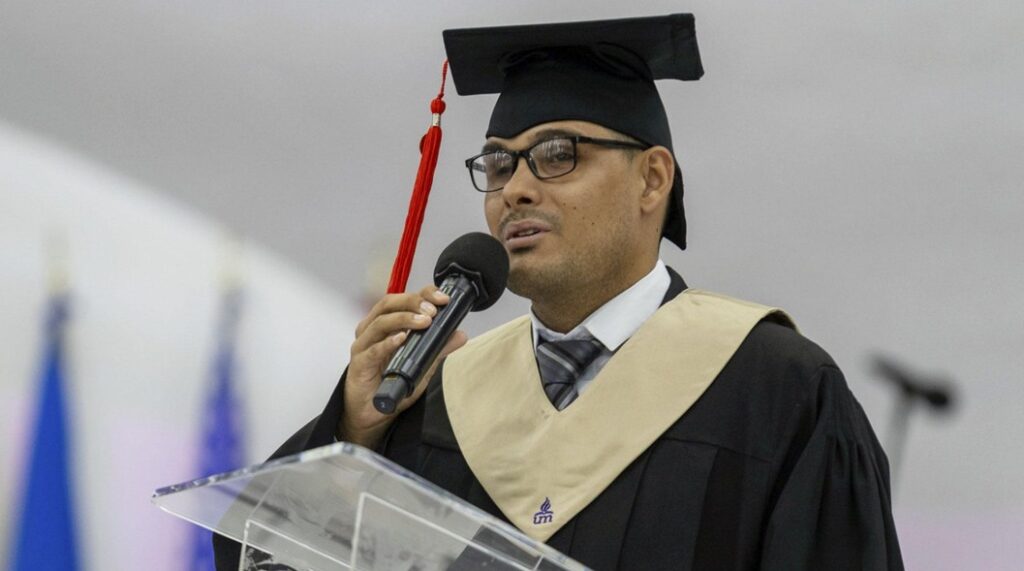
Blind Theology Graduate Overcomes Barriers to Answer God’s Call
Colombian Adventist completes theology degree after seven years of academic, financial, and accessibility challenges June 11, 2026 | Medellín, Antioquia, Colombia | Cristin Serrano…
From the Field
Blind Theology Graduate Overcomes Barriers to Answer God’s Call
Colombian Adventist completes theology degree after seven years of academic, financial, and accessibility challenges June 11, 2026 | Medellín, Antioquia, Colombia | Cristin Serrano…
 From the Headquarters
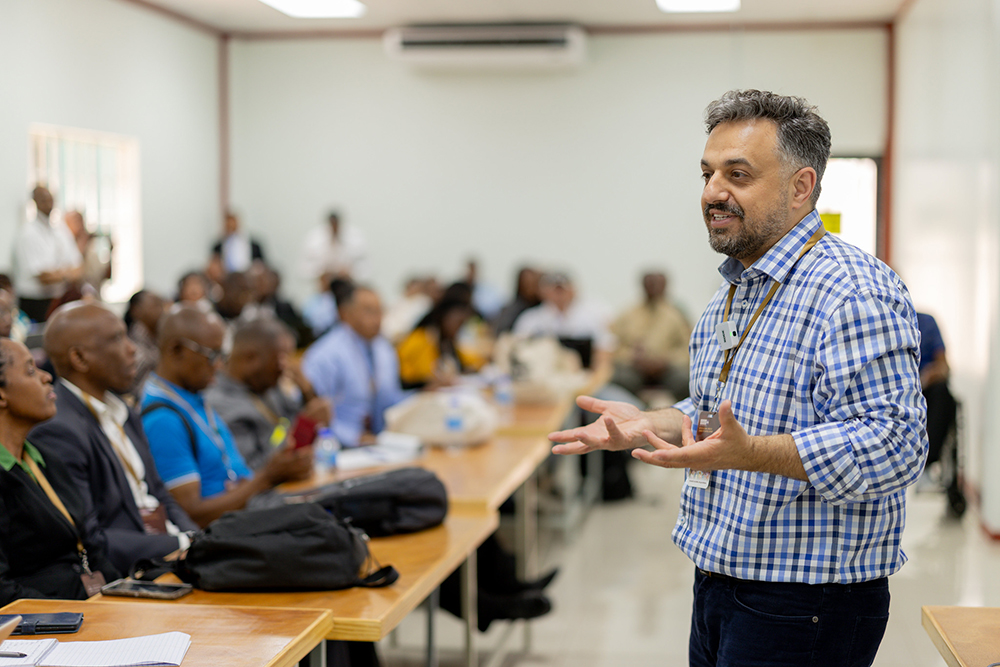
To Find Ways to Reach Secular People, First We Need to Understand Them
Adventist mission expert explains where they are and what missionaries can do about it. June 10, 2026 | Port of Spain, Trinidad and Tobago…
From the Headquarters
To Find Ways to Reach Secular People, First We Need to Understand Them
Adventist mission expert explains where they are and what missionaries can do about it. June 10, 2026 | Port of Spain, Trinidad and Tobago…
 From the Headquarters
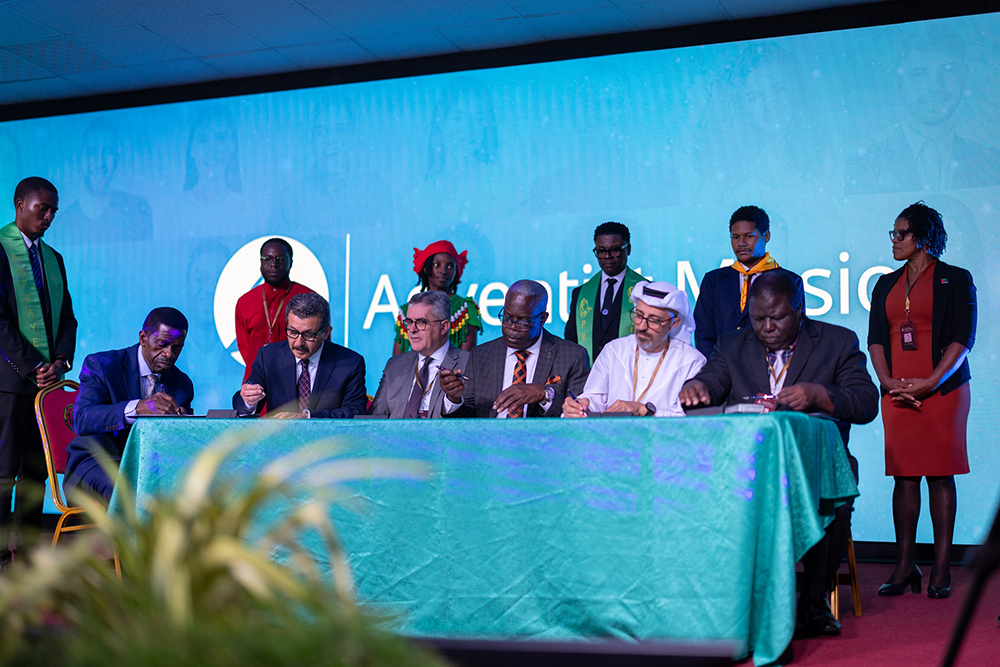
Adventist Leaders Sign MOU to Launch Mission Training Institute in Trinidad and Tobago
Inter-American Division leaders say the new partnership will prepare missionaries for cross-cultural service through global collaboration, training, and student exchanges. June 10, 2026 |…
From the Headquarters
Adventist Leaders Sign MOU to Launch Mission Training Institute in Trinidad and Tobago
Inter-American Division leaders say the new partnership will prepare missionaries for cross-cultural service through global collaboration, training, and student exchanges. June 10, 2026 |…