
IAD Secretary Calls for Mission-Driven Data to Strengthen Growth Across the Territory
November 18, 2025 | Miami, Florida, United States | Libna Stevens, Inter-American Division News
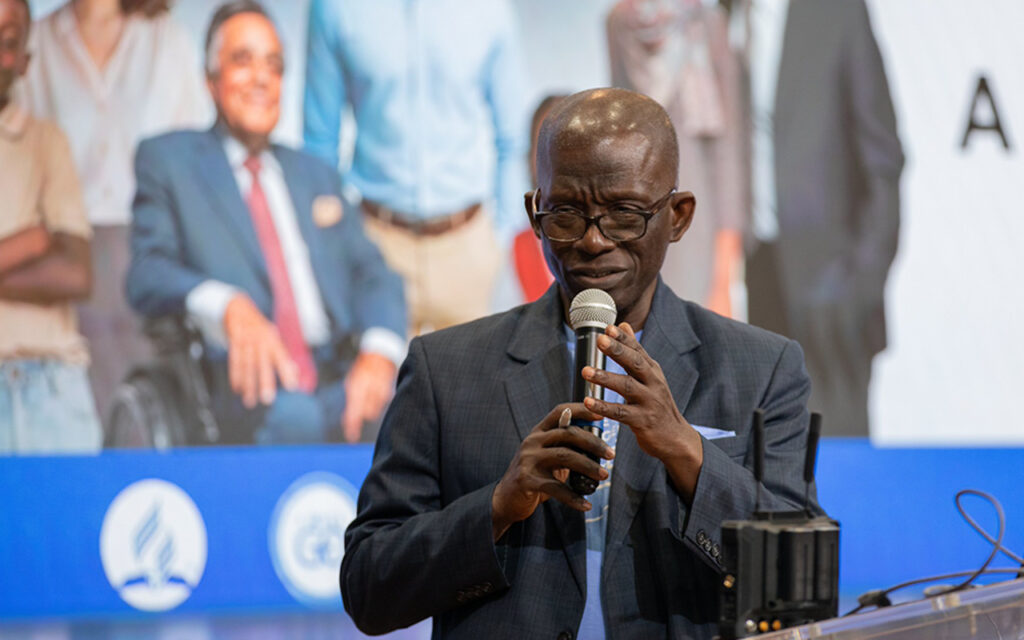
During the opening session of the Inter-American Division’s (IAD) Annual Council—formerly known as Year-End Meetings—Executive Secretary Pastor Pierre Caporal presented a comprehensive report to the executive committee, highlighting steady membership growth, evangelistic resilience, and a pressing need for strengthened, mission-focused data strategies across the territory.
Delivering his first major report as executive secretary on Nov. 11, Caporal expressed gratitude for the support of division officers and secretariat teams across the IAD’s 25 unions, while laying out a renewed vision for the Secretariat’s strategic role.
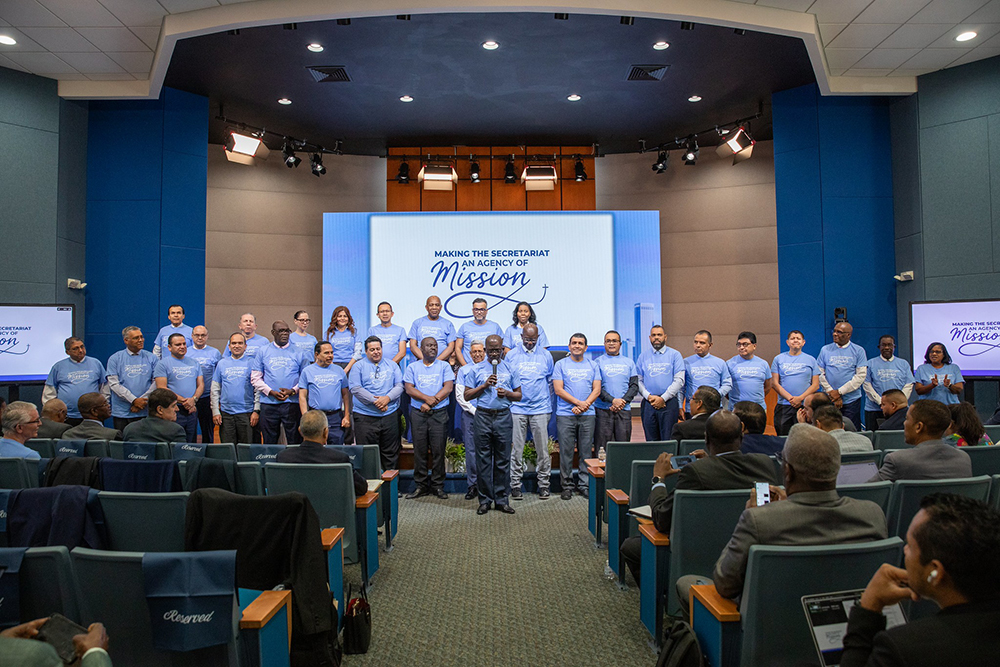
“The time has come for us to make the Secretariat an agency of mission,” Caporal told more than 150 executive committee members gathered in Miami and connected online. “Its identity must change—from record-keeping to mission-driven, and from record-keepers to mission catalysts.”
Caporal said the need is urgent. With millions of members and dozens of institutions spread across 42 countries and islands, church leaders must be equipped with tools that help them understand trends, respond faster to challenges, and identify opportunities for evangelism, he said.
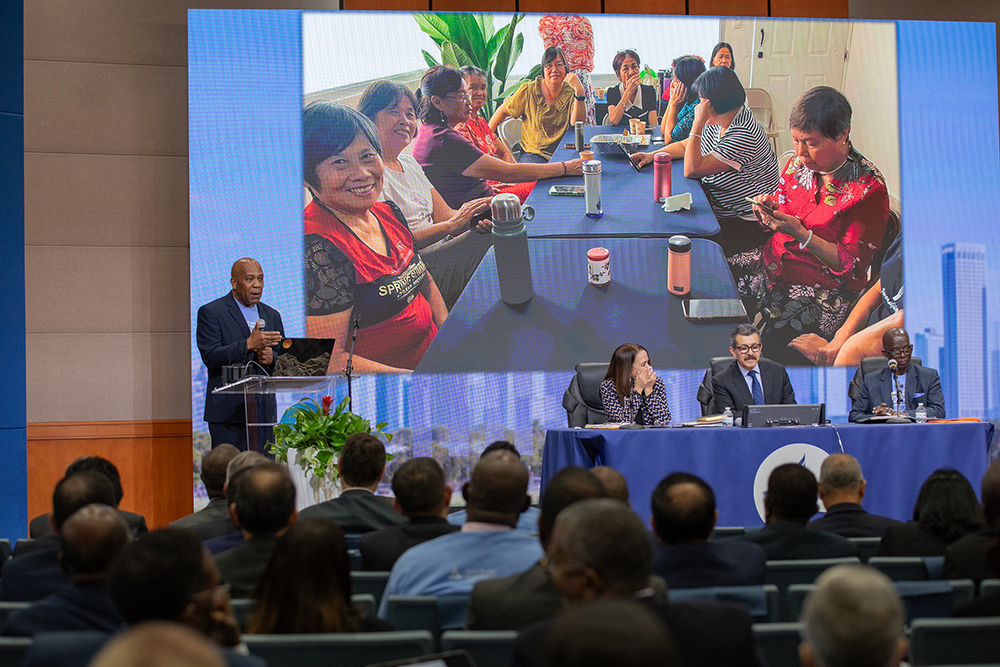
He emphasized that data must now function as “missional intelligence”—information that equips leaders to make informed decisions for evangelism, retention, and growth. “The Secretariat must not only preserve history—it must help shape the mission,” he said, addressing the executive secretaries standing with him at the front. He urged every department to provide leaders with insights that actively advance the gospel.
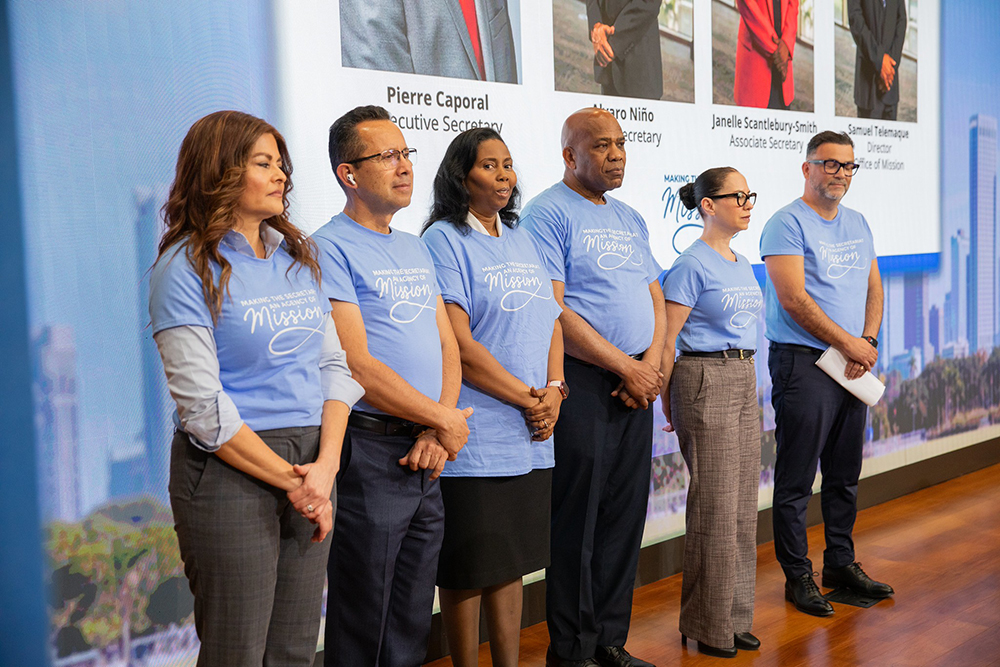
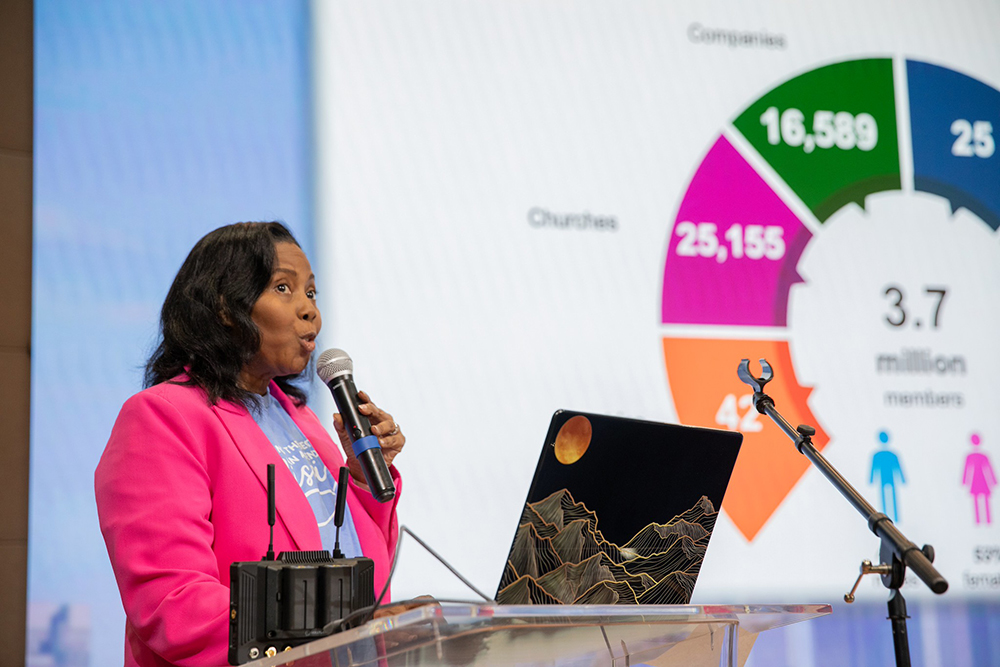
Associate Secretary Janelle Scantlebury presented comparative data covering 2010 to 2024, reflecting consistent membership recovery after the pandemic.
Current membership stands at 3.7 million members across 42 countries, organized into 25,155 churches, 16,589 companies/congregations, 109 conferences and 47 local missions overseen by 25 unions.
The division oversees 14 hospitals, 847 primary and secondary schools, and 13 universities—all seen as “mission opportunities,” Scantlebury noted.
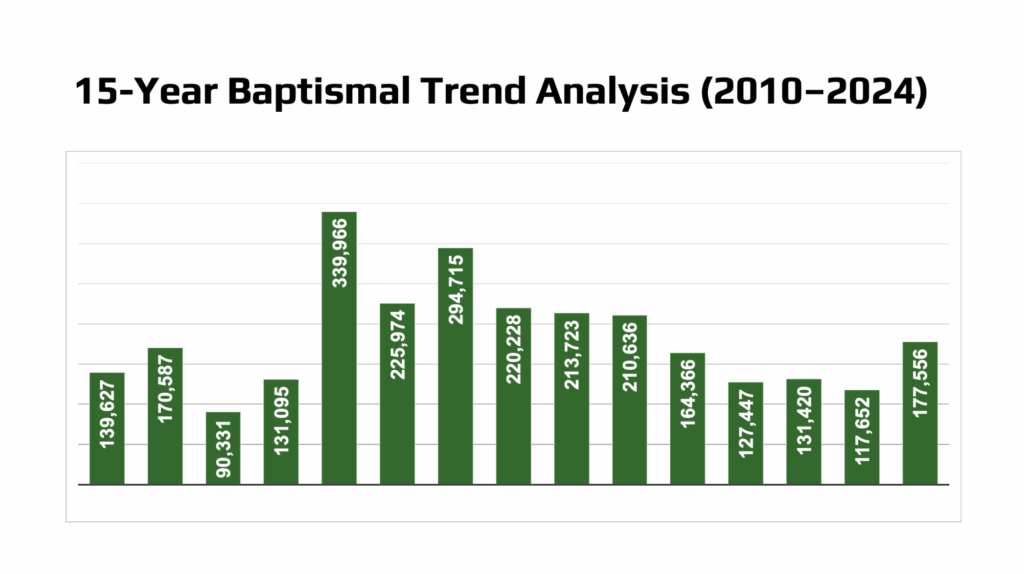
Baptisms, she reported, remain the strongest indicator of evangelistic vitality, averaging 133,000 to 142,000 annually since 2021. Over the 15-year period, more than 101,000 former members were re-baptized, signaling renewed commitment and reconciliation efforts, she explained.
“Migration, however, continues to affect retention,” said Scantlebury. Between 2010 and 2024, the IAD recorded 1,070,350 transfers in and 1,106,684 out, a net loss of 36,334 members. “This is not not only a challenge but a mission opportunity,” she said. “We must strengthen coordination between sending and receiving fields, especially between the IAD and the North American Division.”
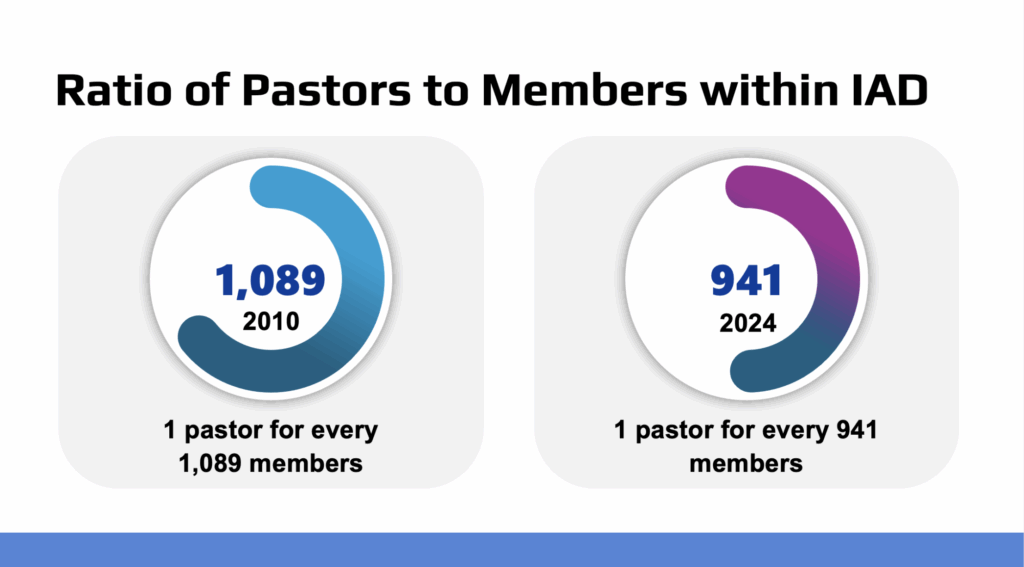
The pastor-to-congregation ratio has shifted from 1 pastor for every 5.9 congregations in 2010 to 1 for every 6.3 congregations today. However, the pastor-to-member ratio improved, with each pastor now serving an average of 941 members, compared to 1,089 members in 2010.
“These numbers remind us of the dedication of our pastors,” Scantlebury said. “But they also highlight the need for continued support and leadership development.”
Despite this, the pastor-to-member ratio improved from 1:1,089 to 1:941, showing better member care despite heavier congregational loads.
Pastor Samuel Telemaque, IAD Adventist Mission director, and Jerry Chase, Adventist Church Management System (ACMS) of the General Conference, presented new mapping initiatives identifying unreached areas and population-to-church ratios.
Chase highlighted that division-wide, there is one Adventist for every 82 people—a much stronger presence than the global average of 1:431.
But the picture varies dramatically by region, he said.
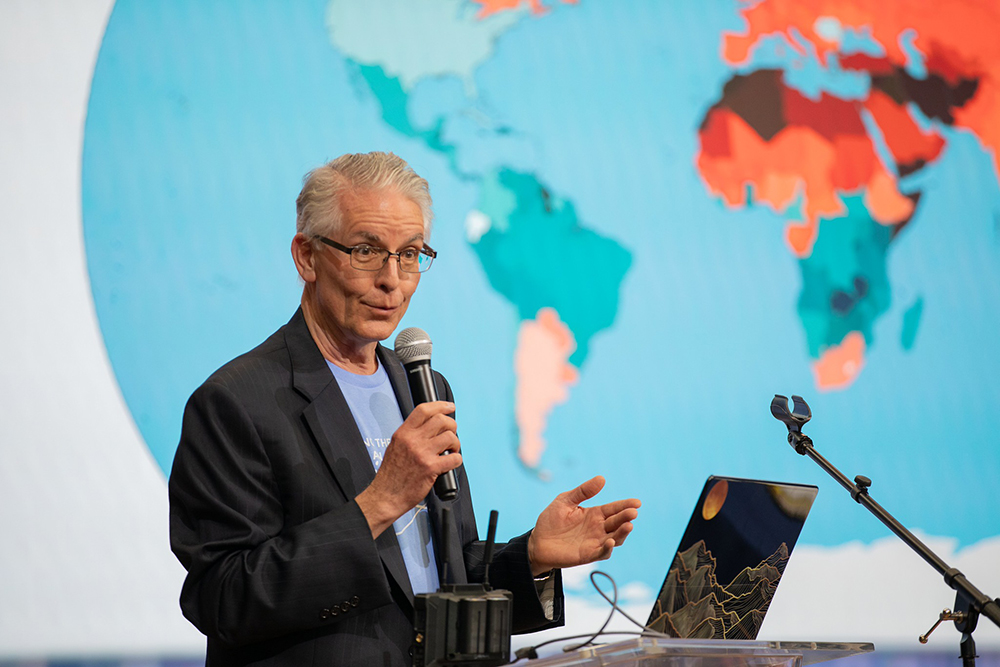
Chase urged leaders not to view strong ratios as an accomplishment but as a responsibility.
“The green on the map is not a trophy—it’s a trust,” Chase said. “Being strong means being stewards of mission. Every city, every neighborhood, every person deserves the chance to meet a Seventh-day Adventist—and through them, to meet Jesus Christ.”
Leaders Respond to the Mission Call
Executive committee members welcomed the report’s combined clarity and spiritual emphasis.
“This report gives us a clearer trajectory of where we’ve been and where we must go,” said Pastor Henry Beltrán, president of the South Colombia Union.
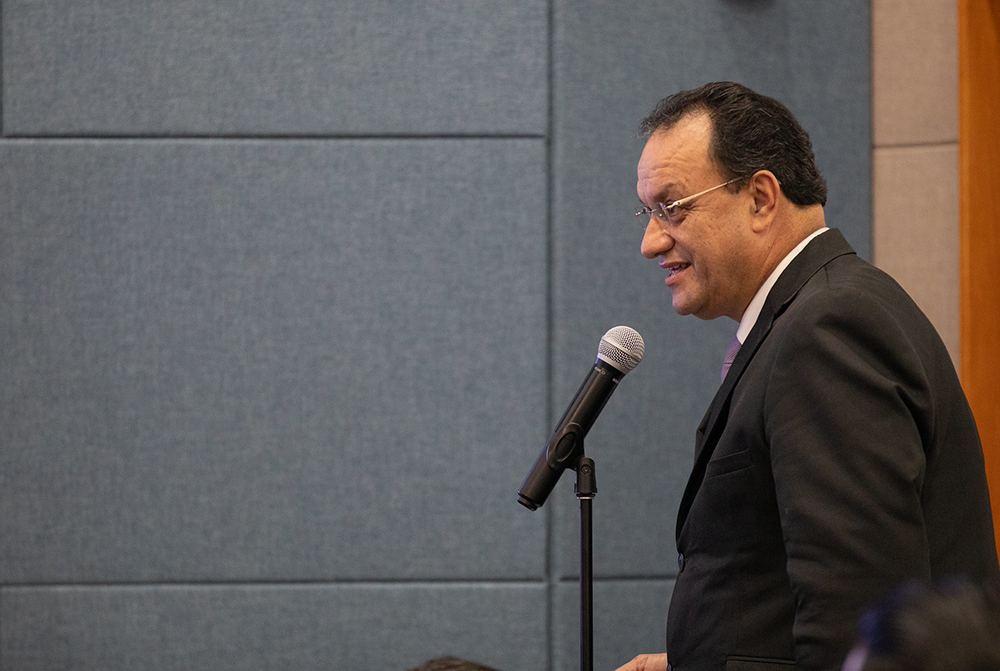
IAD President Pastor Abner De los Santos commended Caporal and the Secretariat team for presenting more than a statistical summary.
“This report was not only informative—it was inspiring,” he said. “Mission is our reason for being. In Inter-America, we live the mission, and by God’s grace, we will continue to do so.”
As the session concluded, leaders prayed for wisdom to act on the findings, to strengthen unity across the vast territory, and to ensure that mission continues to guide every plan, initiative, and department.
Related news
 From the Field
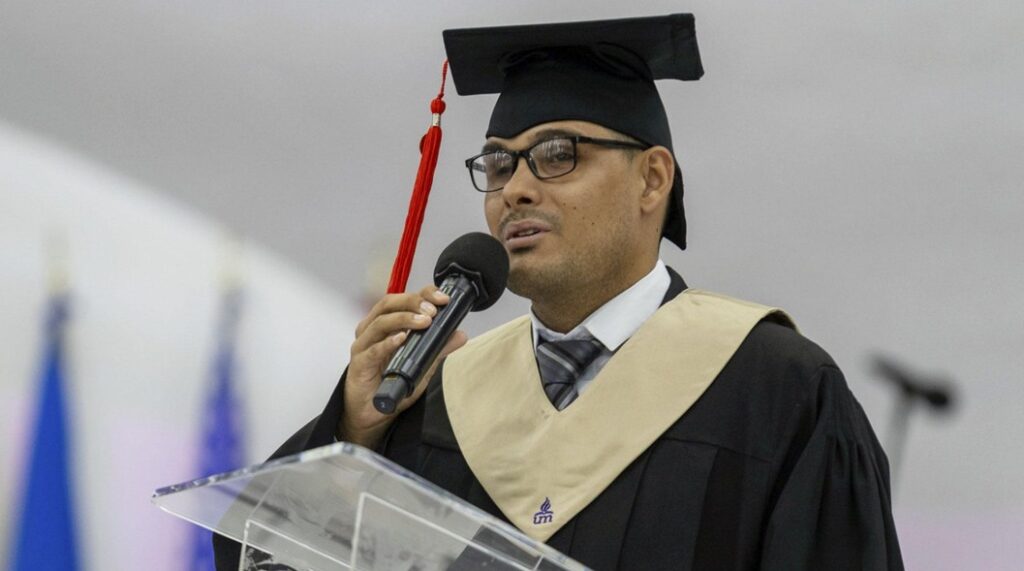
Blind Theology Graduate Overcomes Barriers to Answer God’s Call
Colombian Adventist completes theology degree after seven years of academic, financial, and accessibility challenges June 11, 2026 | Medellín, Antioquia, Colombia | Cristin Serrano…
From the Field
Blind Theology Graduate Overcomes Barriers to Answer God’s Call
Colombian Adventist completes theology degree after seven years of academic, financial, and accessibility challenges June 11, 2026 | Medellín, Antioquia, Colombia | Cristin Serrano…
 From the Headquarters
To Find Ways to Reach Secular People, First We Need to Understand Them
Adventist mission expert explains where they are and what missionaries can do about it. June 10, 2026 | Port of Spain, Trinidad and Tobago…
From the Headquarters
To Find Ways to Reach Secular People, First We Need to Understand Them
Adventist mission expert explains where they are and what missionaries can do about it. June 10, 2026 | Port of Spain, Trinidad and Tobago…
 From the Headquarters
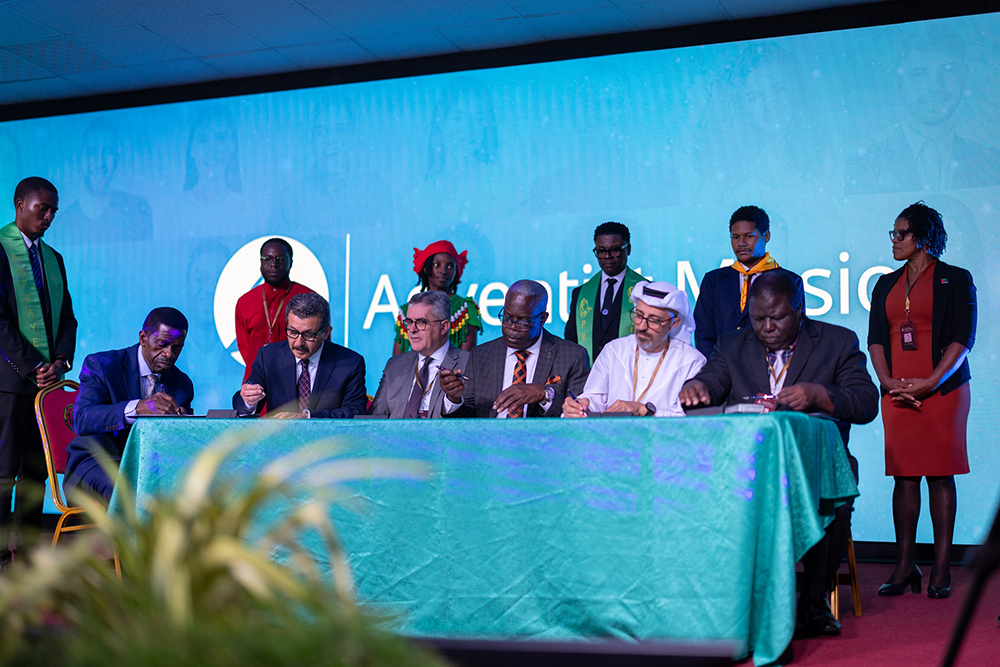
Adventist Leaders Sign MOU to Launch Mission Training Institute in Trinidad and Tobago
Inter-American Division leaders say the new partnership will prepare missionaries for cross-cultural service through global collaboration, training, and student exchanges. June 10, 2026 |…
From the Headquarters
Adventist Leaders Sign MOU to Launch Mission Training Institute in Trinidad and Tobago
Inter-American Division leaders say the new partnership will prepare missionaries for cross-cultural service through global collaboration, training, and student exchanges. June 10, 2026 |…