
GC President Calls Adventist Leaders to One Priority
March 1, 2026 | Riviera Maya, Quintana Roo, Mexico | Libna Stevens, Inter-American Division News
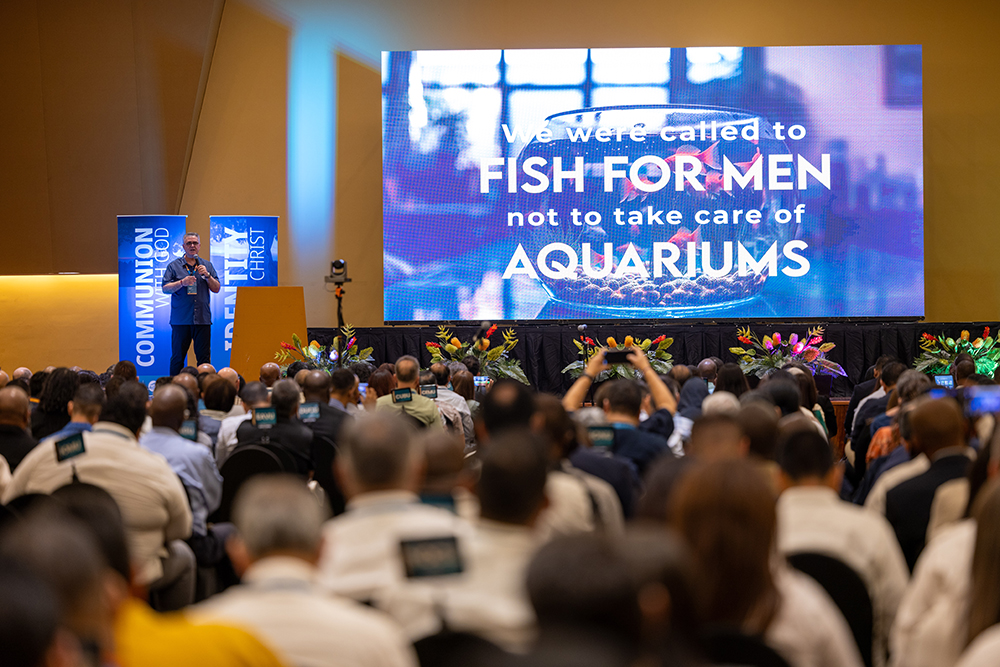
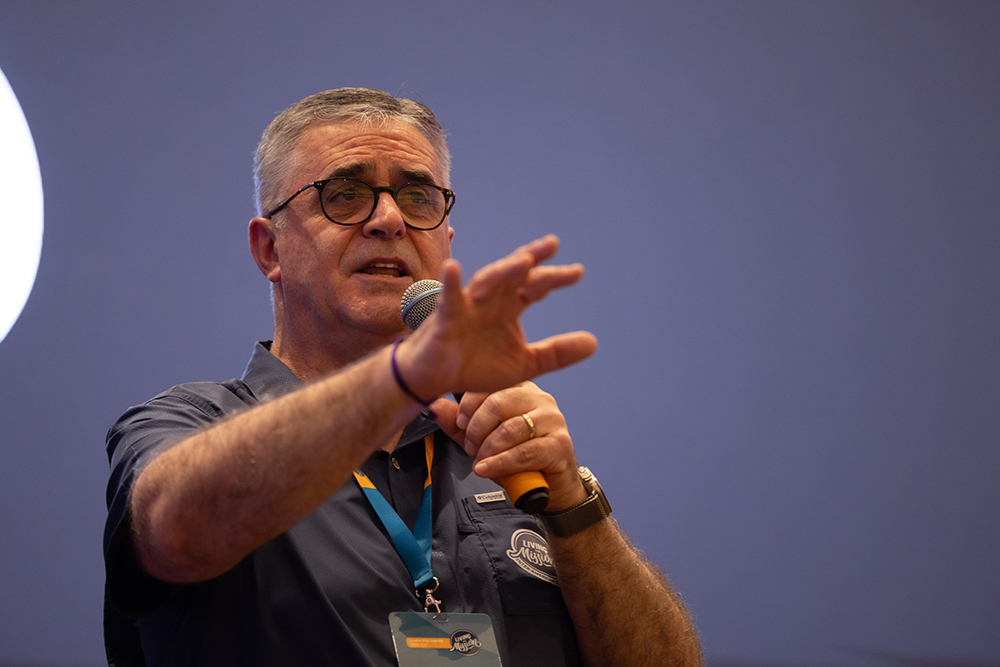
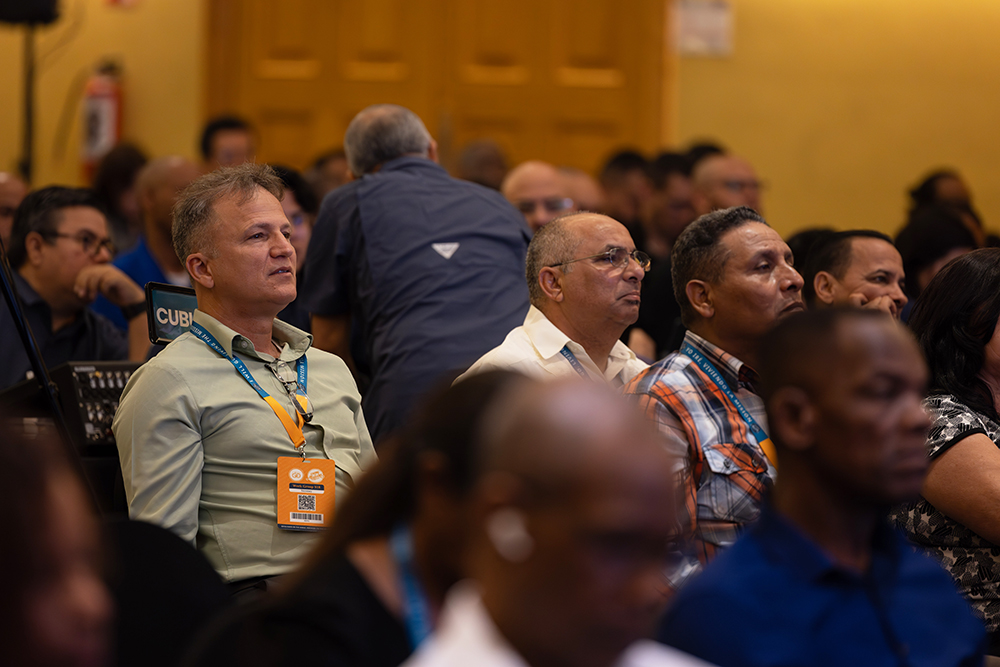
“There are no priorities—there is only one priority,” said Pastor Erton C. Köhler, president of the General Conference of Seventh-day Adventists, as he called leaders across the Inter-American Division (IAD) to sharpen their focus on Scripture and mission during the opening night of the I Will Go—Living the Mission Leadership Summit in Riviera Maya, Mexico, on Mar. 1, 2026.
The three-day gathering brings together presidents, executive secretaries, and treasurers representing 25 unions and 156 local fields throughout the territory to strengthen alignment and mobilize members to actively share the gospel over the next five years.
“Priority is singular,” Köhler told leaders. “There are not five priorities of the church or four priorities of a field. There is one priority—and for that priority, you give your life.”
He warned that if leaders do not define their priority clearly, “urgency, problems, or distractions” will define it for them. Distraction, he added, is one of the enemy’s most effective tools against church leadership—keeping leaders busy but not fruitful.
Strong leadership, he said, is not about trends or popularity. “Leaders who are strong know where they are going,” Köhler said. “Priority is something personal. It is what your life is given to.”
Köhler summarized the world church’s direction in simple terms: to be “grounded in the Bible and focused on the mission.”
“This is not just a slogan,” he said. “It is the base of all the initiatives of the church.”
Referencing Isaiah 37:31—“take root downward and bear fruit upward”—he described the connection between identity and mission. “The deeper the roots, the more abundant the fruit,” he said. “When identity is clear, mission is strong. Where there is identity, there is mission.”
He cautioned leaders against allowing institutional strength to replace spiritual consecration. “The remnant of God must be recognized by the power of its consecration, not by the greatness of its institutions,” Köhler said.
Köhler emphasized that evangelism and discipleship must remain inseparable.
“We are called to fill heaven—not just fill the church,” he said. Baptism brings people into the church, and discipleship prepares them for eternity. “We were called to fish for people—not to maintain aquariums,” he added.
Köhler outlined eight principles that define a church grounded in Scripture:
1. The remnant must be known for the power of its consecration, not the greatness of its institutions.
2. Our priority is to be a church that transforms, not a church that impresses.
3. We are called to fill heaven, not merely fill churches.
4. Our churches need a change in content, not just in format.
5. Our identity in society must be like oil in water, not sugar in water.
6. Our commitment is to be the voice of God, not the echo of culture.
7. Our methodology must never conflict with our theology.
8. Our identity must be our priority.
Mission as Passion
Turning to mission, Köhler declared: “The mission of the Seventh-day Adventist Church is to prepare a people for the soon coming of Jesus.”
Mission, he said, has two inseparable dimensions: discipleship (internal) and evangelism (external).
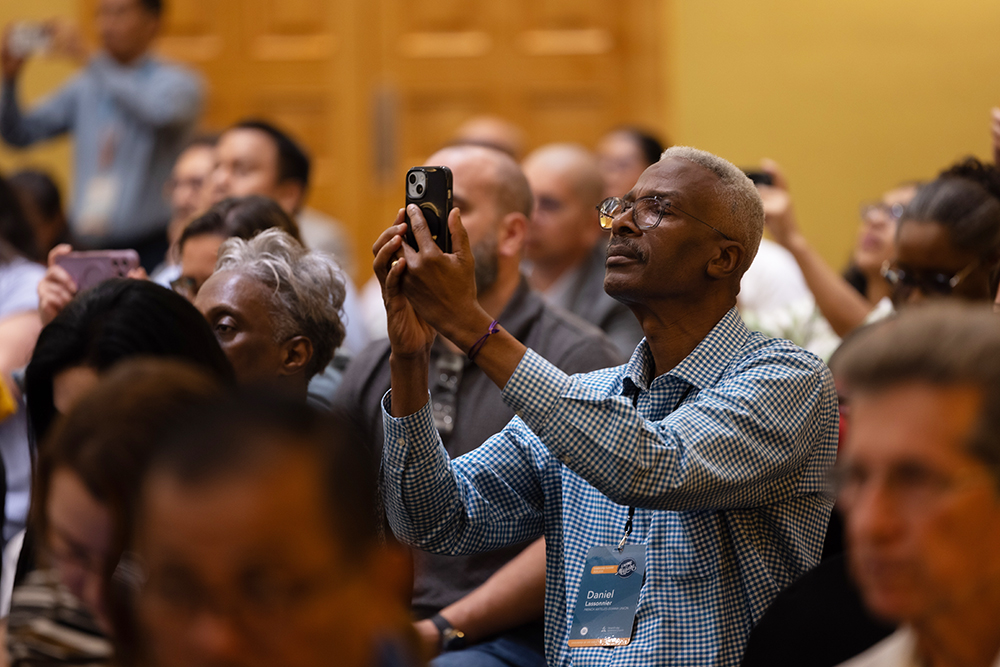
“This is not the time for more committees,” he said. “This is the time for more mission. Less conversation. More work.”
Köhler challenged leaders to adapt methods without compromising theology. “This church was born in the 19th century, but it is called to reach the 21st century,” he said. “Adapt the methods—not the theology, not the identity.”
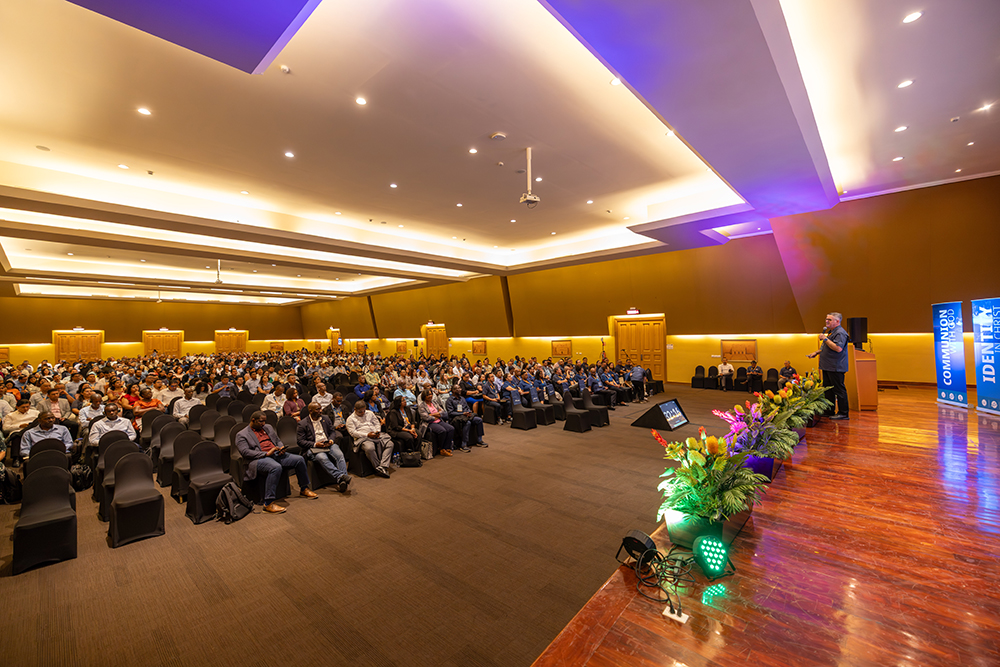
Leaders were urged to move forward united, grounded in Scripture and focused on mission. “If we do this,” Köhler said, “our roots will grow deep, and our fruit will be abundant.”
Mission and Integration
IAD President Pastor Abner De los Santos said the summit was designed to help leaders align structure and mission more effectively.
“Without mission, the church has no reason to exist,” De los Santos said. “What gives meaning to what we do as leaders is the fulfillment of the mission.”
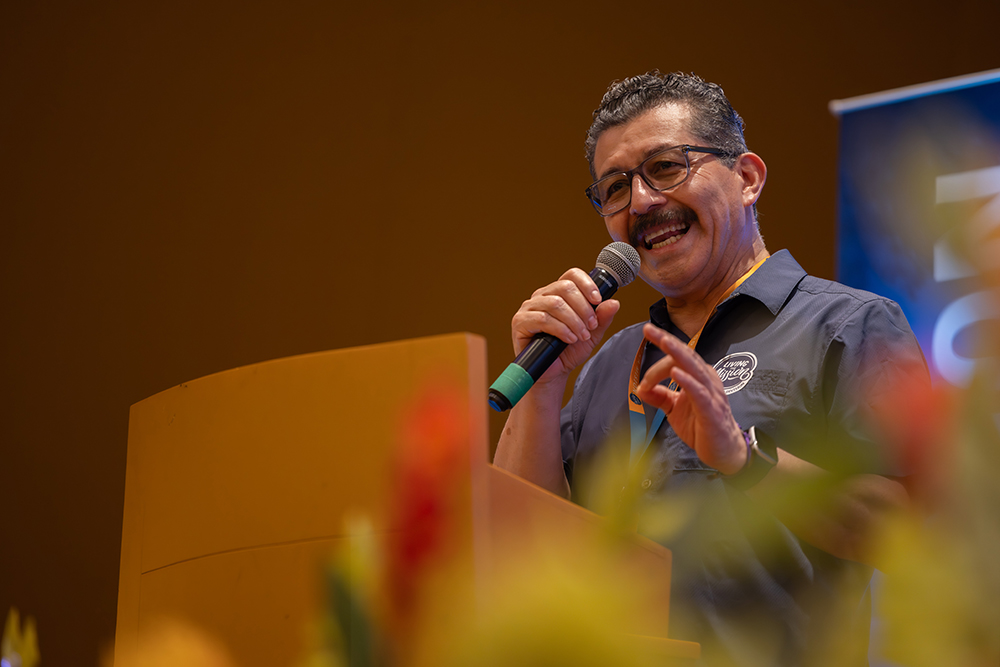
Referring to Matthew 28:19–20, De los Santos highlighted disciple-making as central. “Of the four verbs in that passage, only one is imperative: make disciples,” he said. “Discipleship is the umbrella that covers everything we do.”
Leaders Reflect
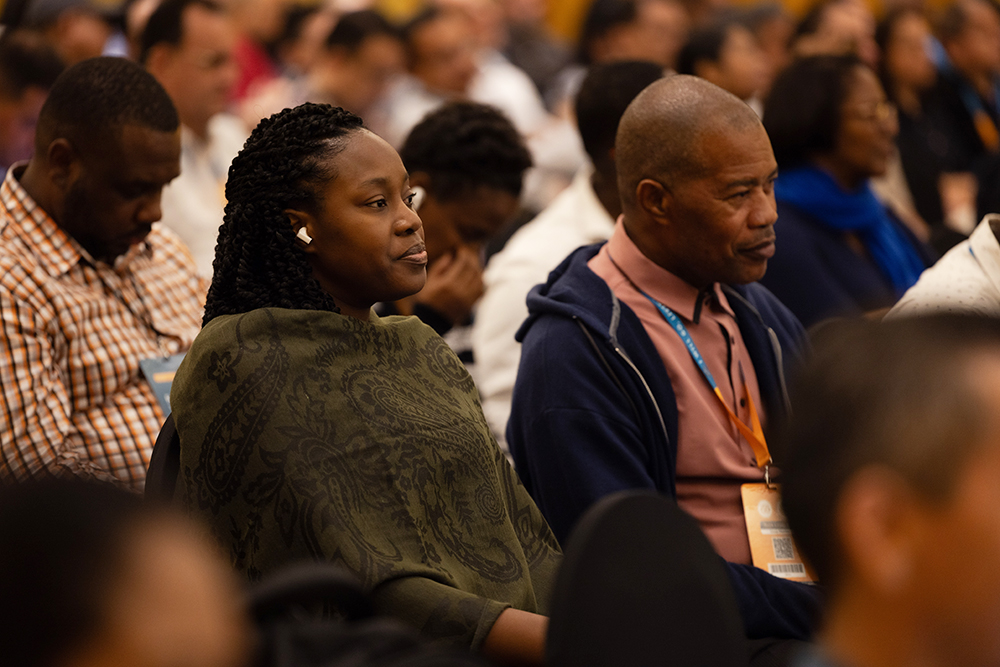
Several administrators said the evening’s keynote message struck both spiritually and strategically.
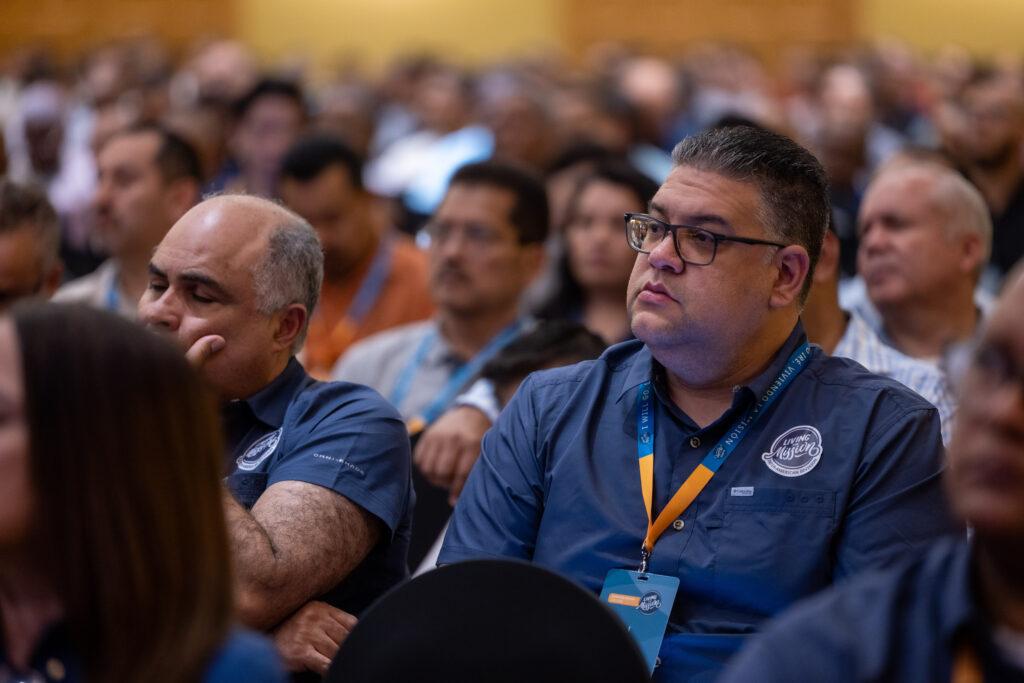
“He reminded us that we must think clearly about the church’s priority and define our mission with conviction,” Guzmán said. “We cannot allow the multiple demands of institutional life to distract us from what truly matters. Too often we spend more time talking about mission than actually doing mission—and that calls us to action.”
Guzmán emphasized the importance of balancing identity and outreach. “Being grounded in the Word of God while remaining focused on mission is indispensable for the church’s future,” he said. “Biblical foundation and missionary focus cannot be separated.”
He added that the message aligns closely with the seminary’s vision. “We are called to strengthen solid biblical foundations while proclaiming the hope of the gospel,” Guzmán said, noting that leaders must continually evaluate whether church structures are serving the mission—or slowing it down.
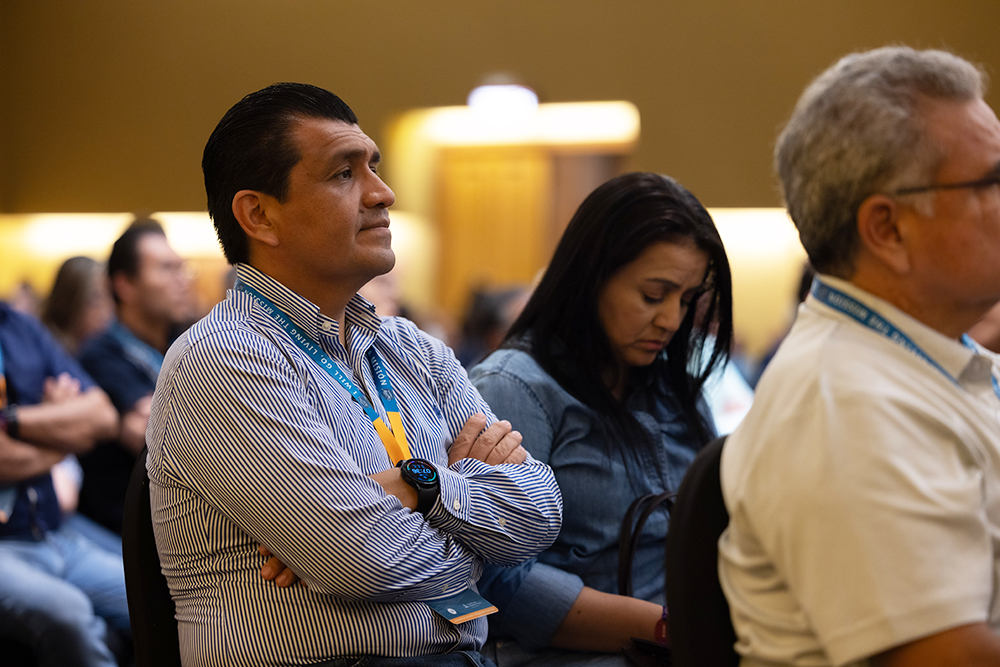
“We may come from different cultures, but we share one identity—grounded in the Bible and committed to the mission,” Aguillón said.
He noted that Köhler’s emphasis shifted attention away from structures and toward people. “What matters most is not buildings or organization, but consecrated workers whose roots are firmly planted in God,” he said. “When leaders are spiritually grounded, the fruit will follow.”
For Aguillón, the appeal was personal. “If mission is truly my passion, then I must live it,” he said. “Jesus did not say, ‘Go and build institutions.’ He said, ‘Go and make disciples.’ That remains our mandate.”
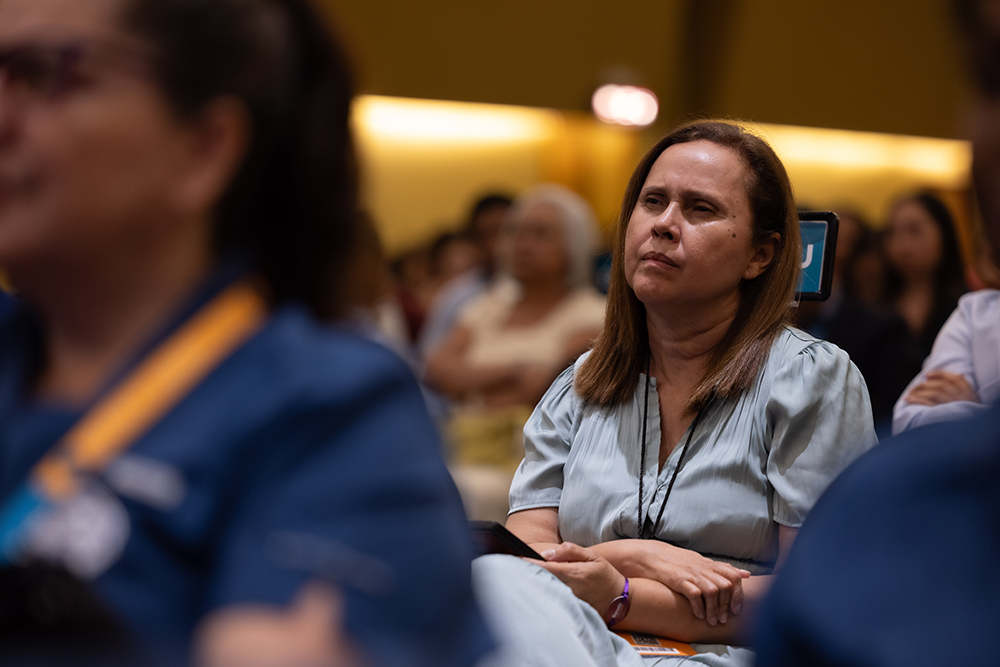
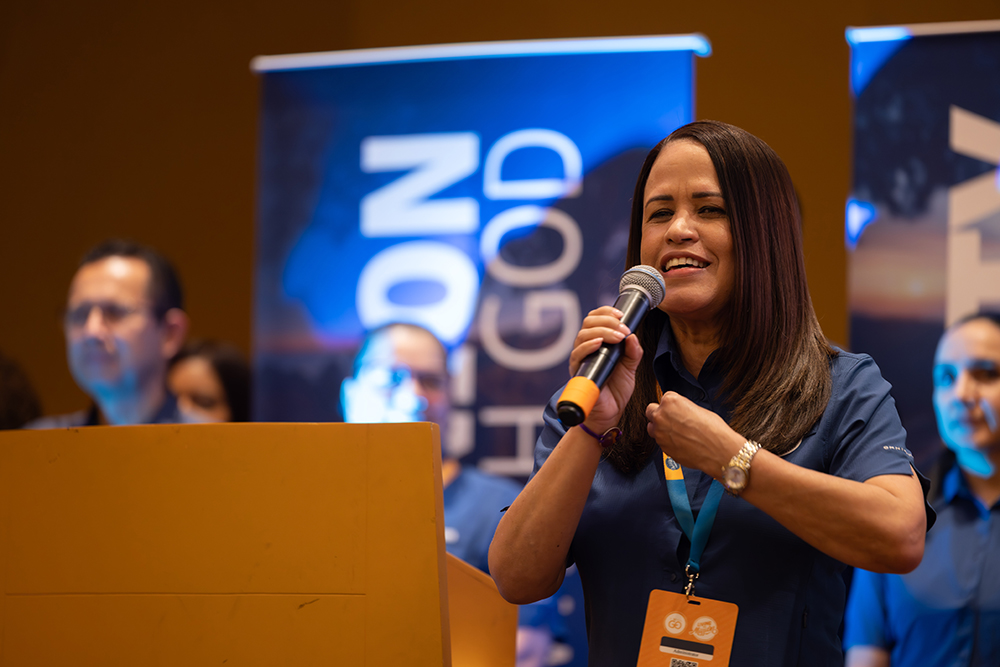
“We have enough theory,” she said. “We need to do the work. God wants to transform His people through the power of the Holy Spirit.”
She acknowledged the danger of being known primarily for institutions rather than mission. “More needs to be done about mission,” she said. “The time is now.”
Kent A. Price, president of the Atlantic Caribbean Union, said the message reaffirmed the need for leaders to lead visibly and intentionally.
“My priority must be the mission,” Price said. “Once our identity is clear, our mission will be strong.”
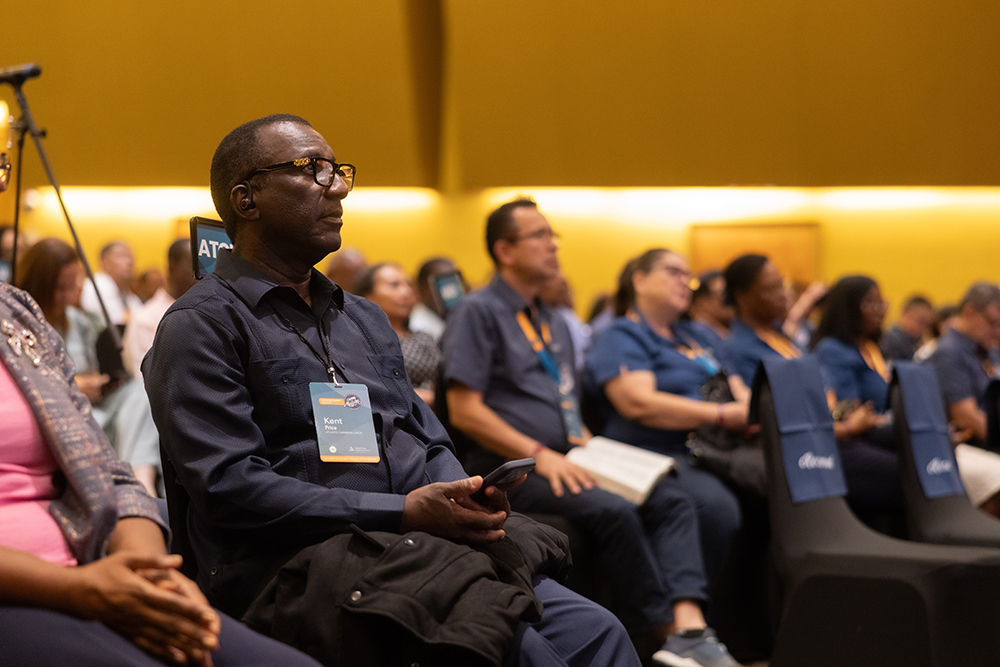
“We cannot stay behind desks,” Price added. “We must go where the people are.”
The summit will continue over the next two days as leaders review strategies, clarify roles, and sharpen their commitment to carrying out the church’s mission of making disciples and preparing people for Christ’s soon return.
Related news
 From the Field
Blind Theology Graduate Overcomes Barriers to Answer God’s Call
Colombian Adventist completes theology degree after seven years of academic, financial, and accessibility challenges June 11, 2026 | Medellín, Antioquia, Colombia | Cristin Serrano…
From the Field
Blind Theology Graduate Overcomes Barriers to Answer God’s Call
Colombian Adventist completes theology degree after seven years of academic, financial, and accessibility challenges June 11, 2026 | Medellín, Antioquia, Colombia | Cristin Serrano…
 From the Headquarters
To Find Ways to Reach Secular People, First We Need to Understand Them
Adventist mission expert explains where they are and what missionaries can do about it. June 10, 2026 | Port of Spain, Trinidad and Tobago…
From the Headquarters
To Find Ways to Reach Secular People, First We Need to Understand Them
Adventist mission expert explains where they are and what missionaries can do about it. June 10, 2026 | Port of Spain, Trinidad and Tobago…
 From the Headquarters
Adventist Leaders Sign MOU to Launch Mission Training Institute in Trinidad and Tobago
Inter-American Division leaders say the new partnership will prepare missionaries for cross-cultural service through global collaboration, training, and student exchanges. June 10, 2026 |…
From the Headquarters
Adventist Leaders Sign MOU to Launch Mission Training Institute in Trinidad and Tobago
Inter-American Division leaders say the new partnership will prepare missionaries for cross-cultural service through global collaboration, training, and student exchanges. June 10, 2026 |…