
Adventist Universities in Inter-America Strengthen Mission-Focused Consortium
May 21, 2026 | Montemorelos, Nuevo León, Mexico | Libna Stevens, Inter-American Division News
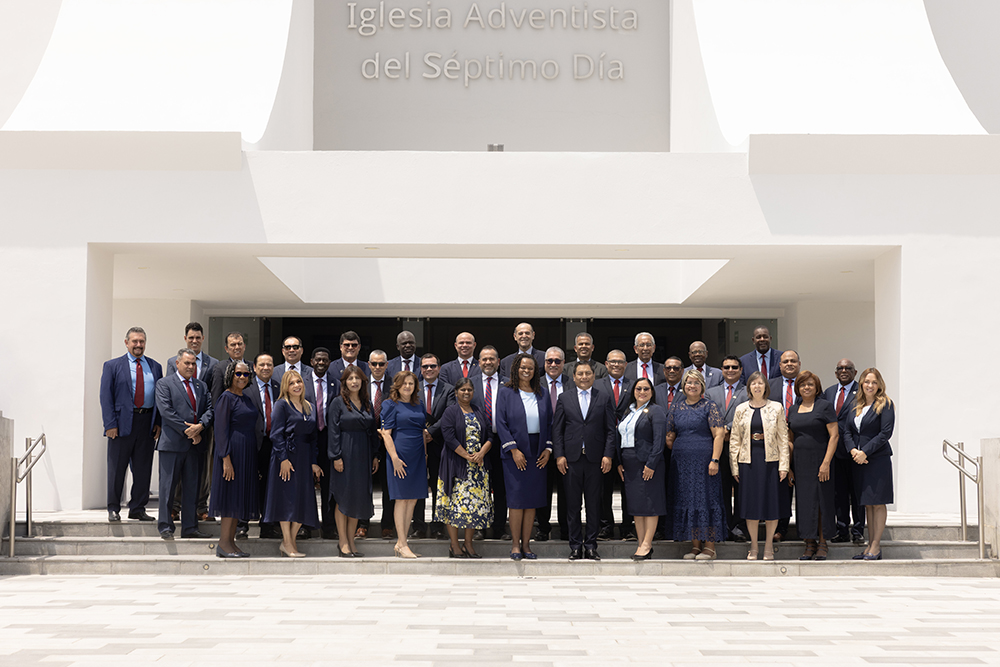
Administrators from the 13 Seventh-day Adventist universities and tertiary institutions across the Inter-American Division (IAD) gathered Apr. 15–18, 2026, at Montemorelos University in Mexico to strengthen cooperation, expand academic partnerships, and align Adventist higher education under the division’s “Mission 2030” education strategy.
The Administrative Council of Inter-American Universities brought together, for the first time, university presidents, vice presidents for academic affairs, and vice presidents for finance to formalize a stronger university consortium focused on mission, innovation, and institutional support.
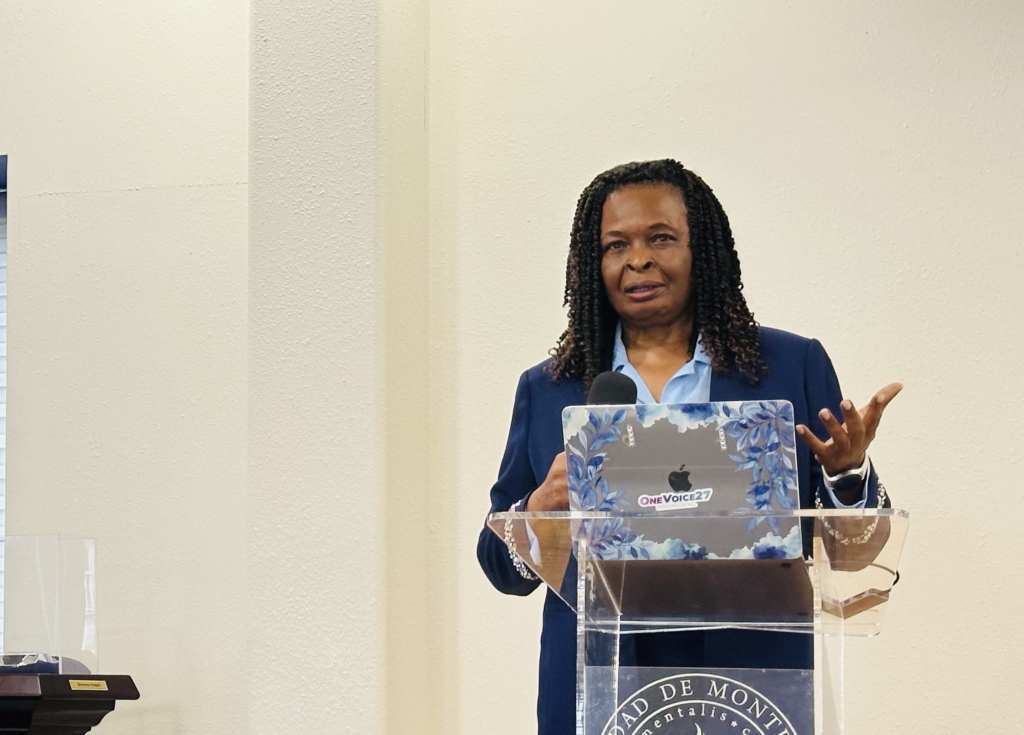
Faye Patterson, education director of the Inter-American Division, said the council marked a significant step toward building a more integrated Adventist university system throughout the territory.
“We wanted to strengthen the consortium and begin functioning as one educational system,” Patterson said. “This gathering created opportunities for institutions to support each other through their areas of strength.”
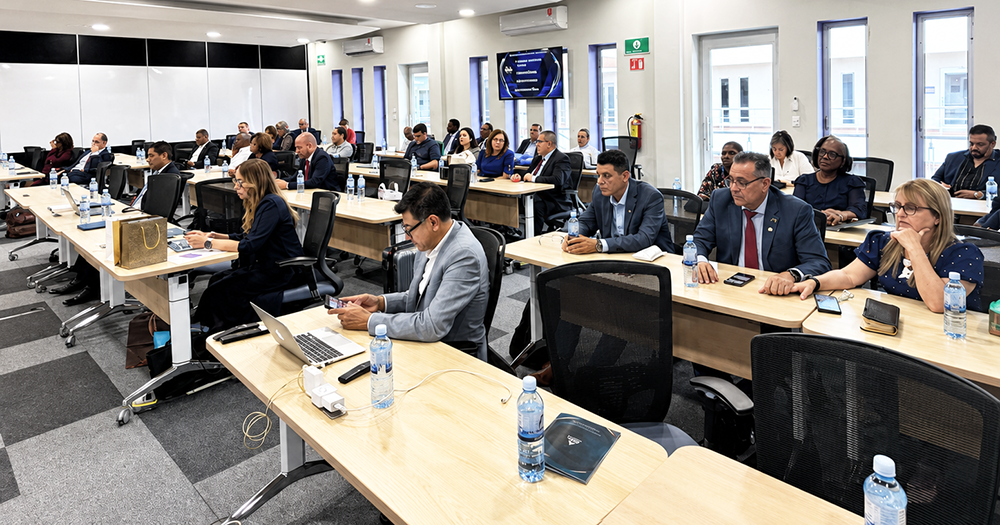
The council launched the IAD’s “Mission 2030” strategy centered on the vision that every institution becomes a center of influence and every student a missionary.
“This encounter goes beyond administration,” Patterson wrote in her welcome message to participants. “It is a space of consecration where we reaffirm the covenant God has entrusted to Adventist education in the Inter-American Division.”
The leadership council also introduced a formal “Leadership Commitment” in which university administrators pledged to remain grounded in Scripture, live out the church’s mission, and pursue excellence in Adventist education.
Pastor Abner De los Santos, president of the Inter-American Division, affirmed the strategic importance of Adventist higher education institutions throughout the territory in a statement shared in connection with the administrative council.
He encouraged university leaders to continue strengthening the spiritual identity and academic excellence of their institutions while intentionally preparing leaders who will positively impact both the church and society. De los Santos also emphasized the importance of aligning Adventist universities with the IAD’s strategic vision, “Living the Mission,” by fostering communion with God, strengthening identity in Christ, promoting unity in service, and reinforcing the belief that mission involves everyone.
Universities Paired to Share Strengths
As part of the initiative, universities were randomly paired during a collaborative activity designed to encourage long-term institutional partnerships and mutual support.
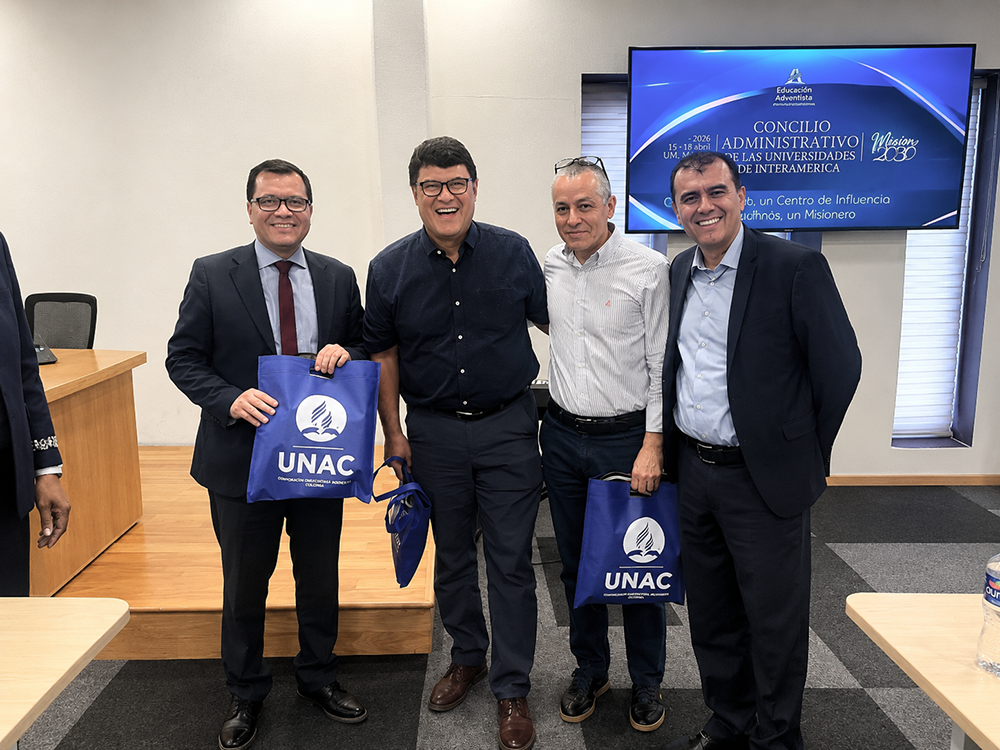
Edwin Hernández, president of Antillean Adventist University, said the consortium marks an important transition from institutions working independently to functioning as an integrated educational network.
“This collaboration allows us to share strengths, maximize resources, and better serve our students and mission,” Hernández said.
Hernández said Antillean Adventist University (AAU) was paired with Colombia Adventist University (UNAC) in Colombia, creating opportunities for faculty exchange, dual-degree programs, student mobility, and shared academic technologies.
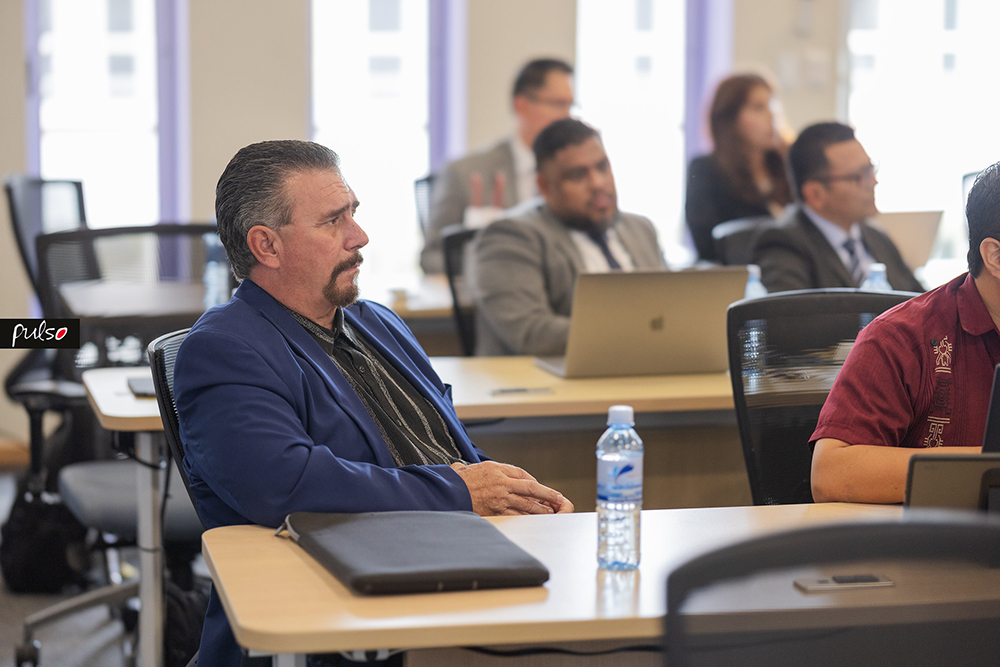
“The current challenges facing higher education require collaborative responses built on trust, mutual learning, and shared knowledge,” Fernández said.
Fernández added that the partnership between UNAC and Antillean Adventist University creates opportunities for academic integration through faculty and student mobility, collaborative research, and curriculum alignment.
“We are creating opportunities for students to study across institutions while remaining within the Adventist system,” Patterson said. “This collaboration can transform how our universities operate and prepare students for global mission service.”
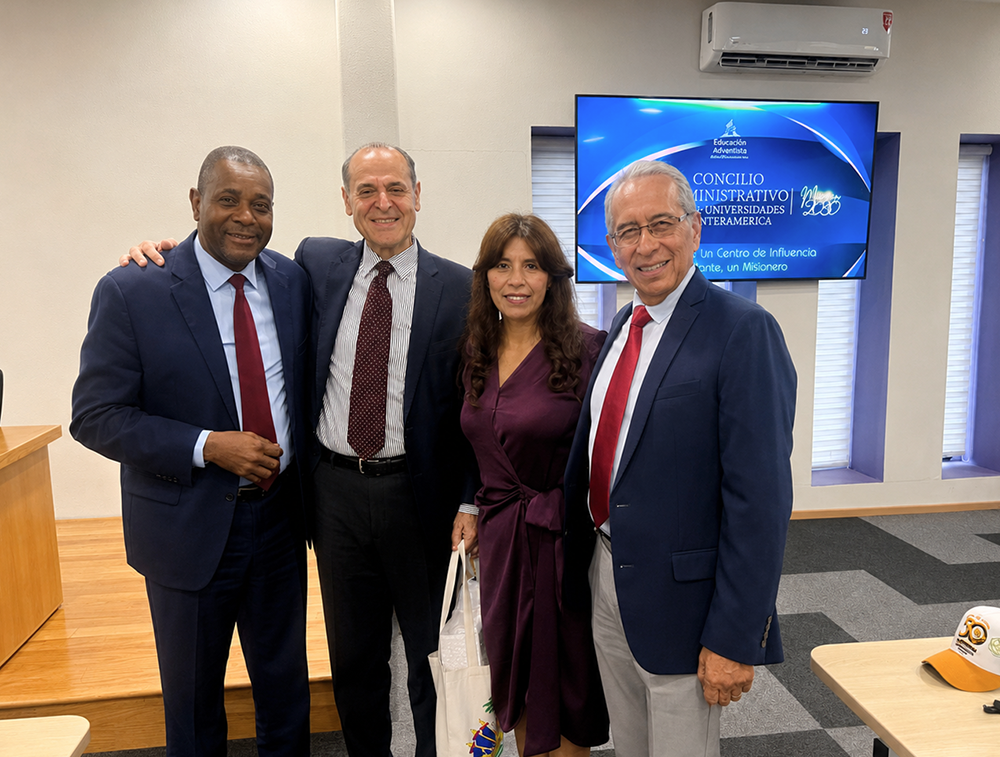
A special recognition program honored educators and administrators for decades of service in Adventist education across the territory.
Among those recognized was longtime Adventist educator Ismael Castillo, outgoing president of Montemorelos University, who was honored for decades of service in Adventist education. Castillo reflected on the value of the gathering, saying the meetings “strengthen us in faith, enrich us through fellowship across generations, and fill us with hope as we continue fulfilling our mission.”
Leaders said the atmosphere throughout the event reflected a renewed spirit of unity and collaboration among institutions that had previously operated with limited direct coordination.
“There was excitement and a strong sense of brotherhood,” Patterson said. “Some leaders were meeting one another for the first time, and they immediately began building relationships for future collaboration.”
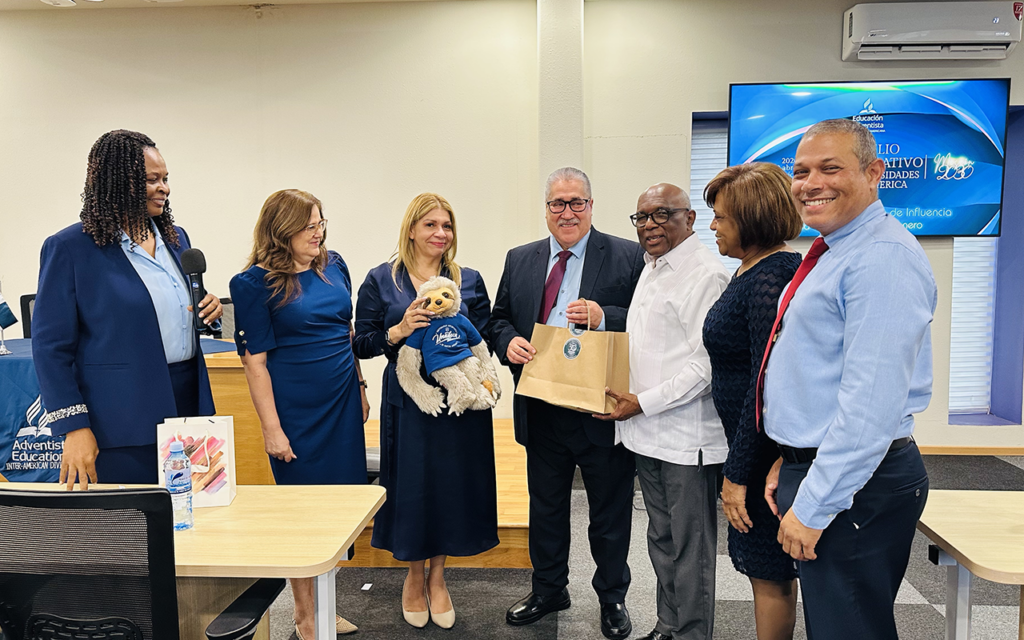
Alexandra Araya, vice president for finance at the Central American Adventist University (UNADECA), said the event reaffirmed the universities’ shared commitment to mission-centered education.
“The event was an opportunity to reaffirm our commitment to the mission through the role of Adventist universities in preparing leaders who are not only successful professionals, but missionaries of the highest caliber,” Araya said.
She added that the council encouraged institutions to explore new funding models while maintaining the spiritual identity and values that strengthen Adventist education.
“Strengthening our faith and values as Adventist education institutions is essential to reinforcing our value proposition and the financial sustainability of our universities,” Araya said.

Keynote presentations during the council were led by several Adventist education leaders and specialists, including Sócrates Quipe, associate director of education for the General Conference of Seventh-day Adventists; Raquel Korniejczuk, postgraduate professor at Montemorelos University; Luis Barba Briceño, director of cooperation and projects at Peruvian Union University; Filiberto Verduzco, former treasurer of the Inter-American Division; Antonio Parra Cifuentes, president of Adventist University of Chile; and Ricardo Costa Caggy, academic dean of Amazonia Adventist College. Administrators from the Inter-American Adventist Theological Seminary also participated in the consortium meetings.
Organizers said the consortium will continue through collaborative projects, institutional networks, and annual meetings, with the next council expected to take place in Costa Rica in 2027.
Patterson said the long-term vision is to create a truly integrated educational system capable of responding collectively to challenges facing Adventist higher education.
“We are building a university system that is united in mission, collaboration, and innovation,” she said. “Our goal is to prepare students not only for professional success, but for service to God and humanity.”
Lorell Varela and Cristin Serrano contributed to this report.
Related news
 From the Field
Blind Theology Graduate Overcomes Barriers to Answer God’s Call
Colombian Adventist completes theology degree after seven years of academic, financial, and accessibility challenges June 11, 2026 | Medellín, Antioquia, Colombia | Cristin Serrano…
From the Field
Blind Theology Graduate Overcomes Barriers to Answer God’s Call
Colombian Adventist completes theology degree after seven years of academic, financial, and accessibility challenges June 11, 2026 | Medellín, Antioquia, Colombia | Cristin Serrano…
 From the Headquarters
To Find Ways to Reach Secular People, First We Need to Understand Them
Adventist mission expert explains where they are and what missionaries can do about it. June 10, 2026 | Port of Spain, Trinidad and Tobago…
From the Headquarters
To Find Ways to Reach Secular People, First We Need to Understand Them
Adventist mission expert explains where they are and what missionaries can do about it. June 10, 2026 | Port of Spain, Trinidad and Tobago…
 From the Headquarters
Adventist Leaders Sign MOU to Launch Mission Training Institute in Trinidad and Tobago
Inter-American Division leaders say the new partnership will prepare missionaries for cross-cultural service through global collaboration, training, and student exchanges. June 10, 2026 |…
From the Headquarters
Adventist Leaders Sign MOU to Launch Mission Training Institute in Trinidad and Tobago
Inter-American Division leaders say the new partnership will prepare missionaries for cross-cultural service through global collaboration, training, and student exchanges. June 10, 2026 |…