
Structure Must Serve Mission, IAD Leaders Affirm
March 2, 2026 | Riviera Maya, Quintana Roo, Mexico | Libna Stevens, Inter-American Division News
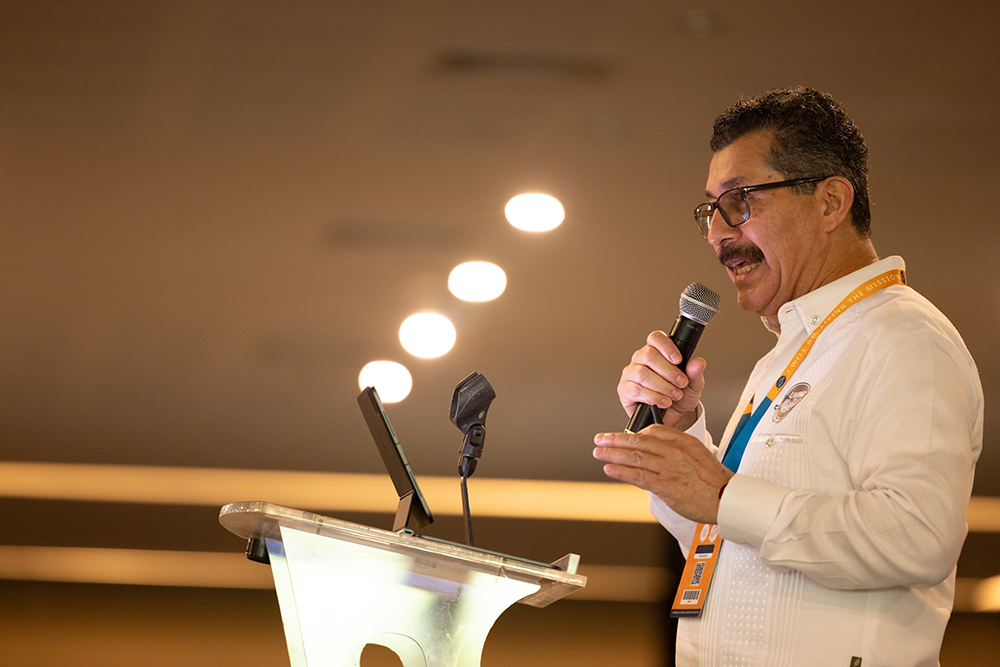
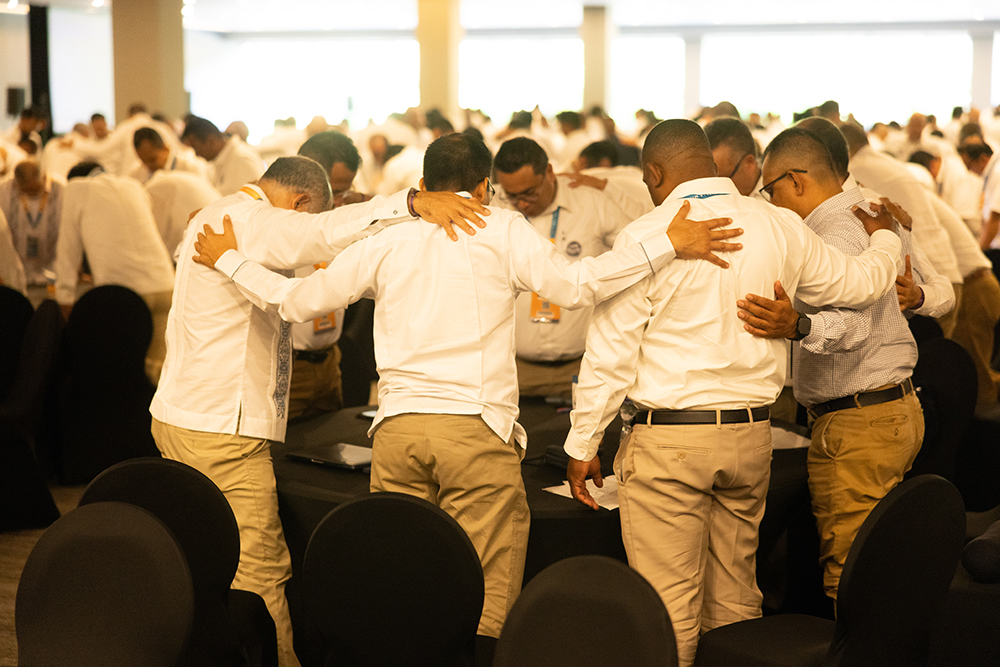
Top Seventh-day Adventist administrators from across the Inter-American Division’s (IAD) unions and local fields gathered in small discussion groups on March 2 to examine how the church’s structure can better serve its prophetic mission.
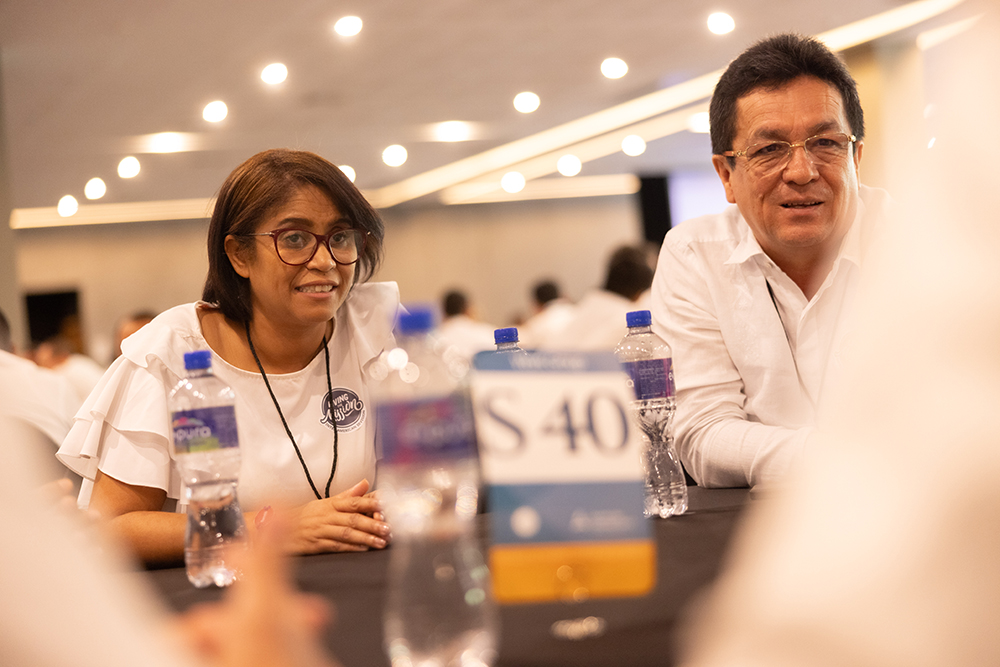
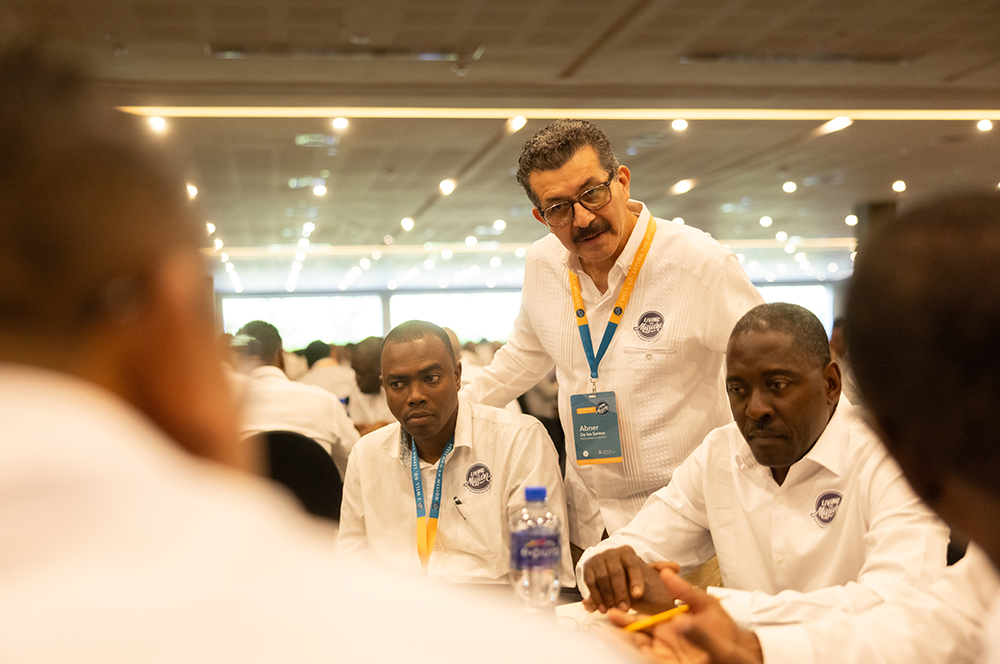
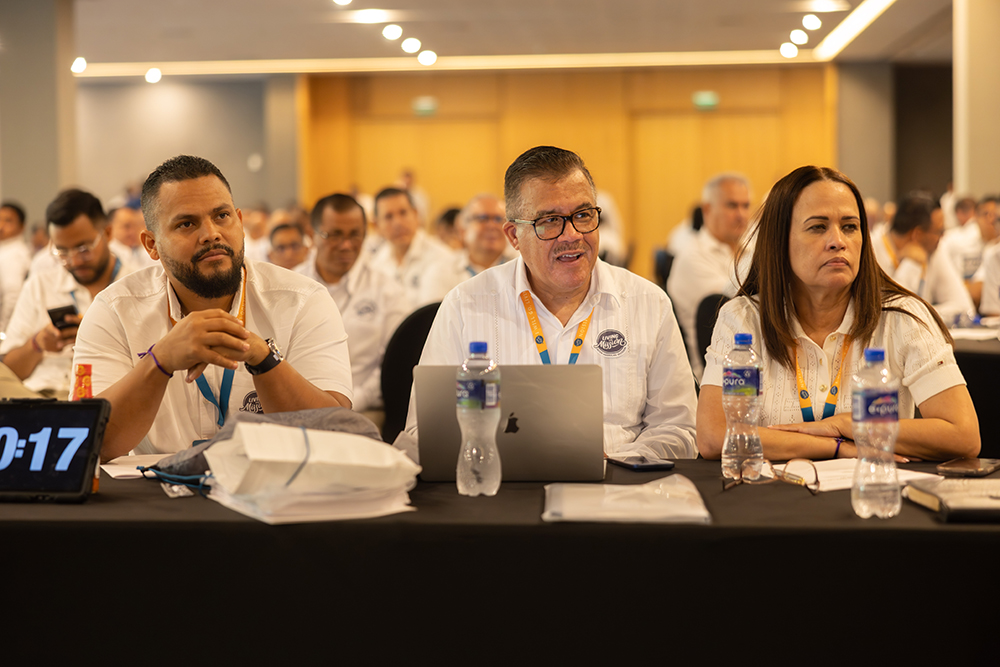
Through 64 small-group discussions and real-time survey results, nearly 600 administrators evaluated the biblical and practical roles of the local church, conferences/missions, unions and division.
From its earliest days, he explained, organization was not about control but about preserving doctrinal unity, protecting mission and enabling the global proclamation of the Three Angels’ Messages of Revelation 14.
“Our pioneers initially resisted formal organization,” he said. “But without structure, ministers could not be credentialed properly, churches could not be protected from false teaching, resources could not be stewarded faithfully, and mission could not expand sustainably.”
“Order is not bureaucracy,” he said. “It is faithfulness to a God of clarity and purpose.”
Roles Designed for Mission
De los Santos explained that the church’s structure is designed so the local church remains the center of disciple-making; the conference or mission strengthens and supervises frontline ministry; the union provides regional coordination and leadership development; and the division connects regions to the global movement while safeguarding doctrinal unity under the General Conference.
He warned that when roles blur, tension grows.
“When structure becomes unclear, conferences feel constrained, churches feel over-directed, unions feel caught in the middle and divisions feel responsible for everything,” he said. “But when roles are clear, authority becomes service, oversight becomes protection, unity strengthens witnessing and mission accelerates.”
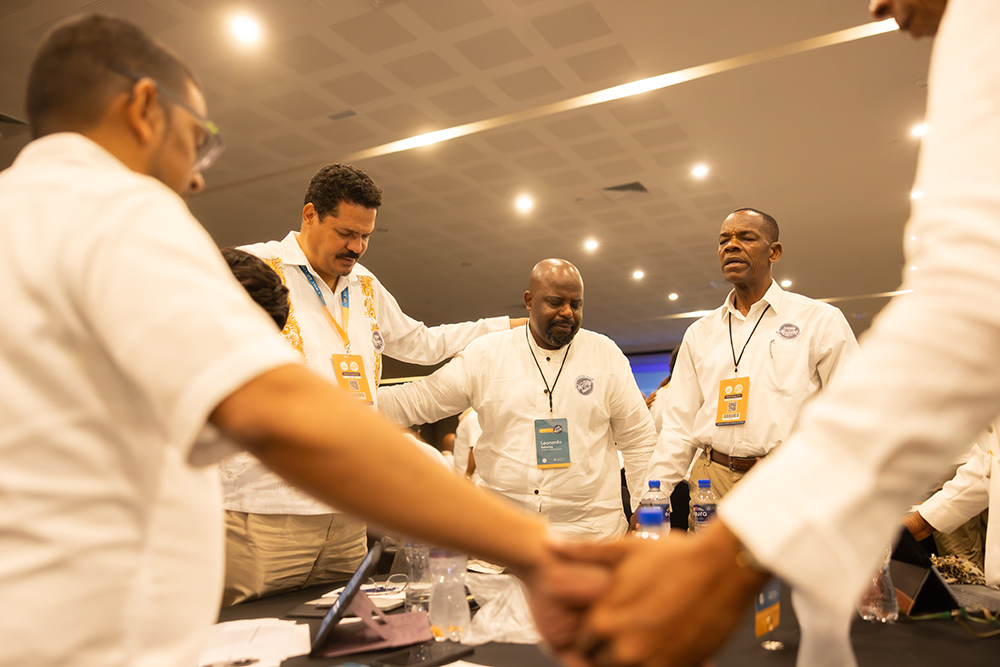
During the exercise, leaders identified friction between local churches and conferences, and between conferences and unions. The discussions allowed administrators to name tensions candidly without assigning blame.
Responses showed that strategic planning and policy direction belong primarily at the division level; unions are called to facilitate and accompany the fields; conferences lead implementation and pastoral supervision; and the local church executes mission through discipleship.
Participants also acknowledged duplication in areas such as strategic planning, calendar coordination and oversight. Many noted excessive control at the union level, while fragmentation was most evident at the local church level.
In addressing structural tensions, leaders leaned toward preserving authority for doctrinal unity while favoring contextualization and empowerment in mission practice, signaling a desire for alignment that is biblically grounded and mission focused.
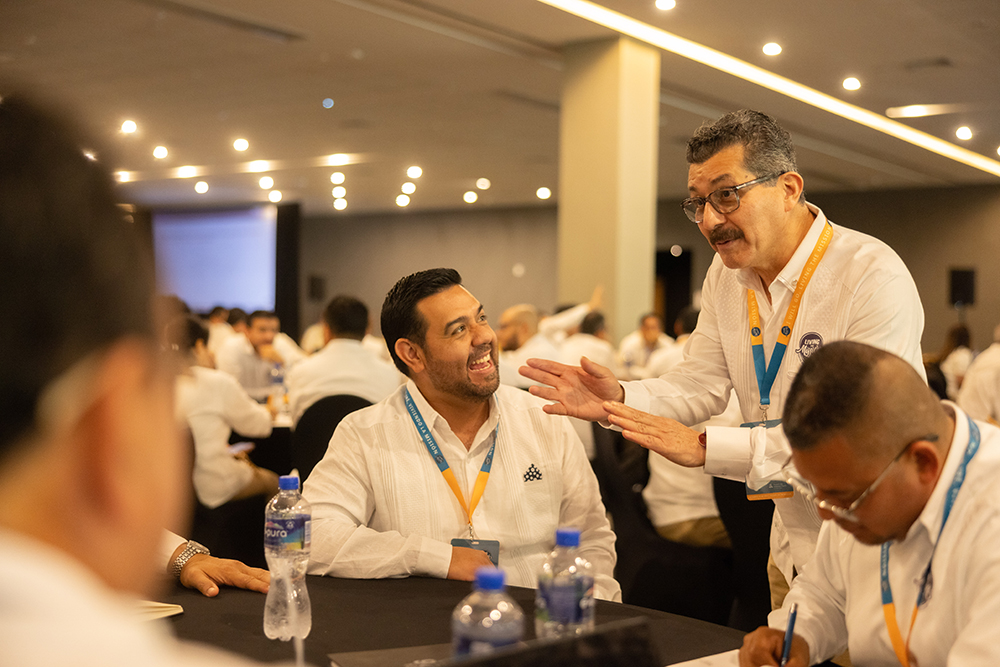
Strengthening Each Church Level
Reviewing the discussion questions, Hiram Ruiz, assistant to the IAD president, said the summit was designed to align a shared vision of work across all organizational levels.
“Both the strategic plan and the administration of policies and regulations correspond to the Inter-American Division,” Ruiz said. “That clarity helps establish a unified plan that flows from the division to the local church in implementation.”
He said the analysis also clarified the union’s role.
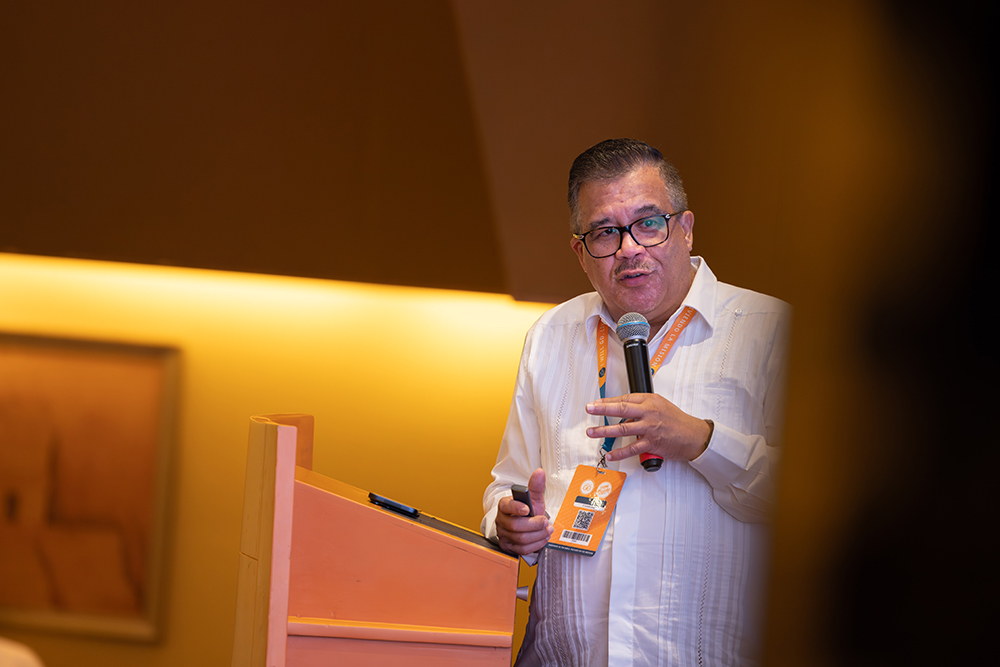
The findings reinforced a central conviction said Ruiz: “every level must strengthen the one closest to members and communities.”
A Shared Working Document
Pastor De los Santos emphasized that the discussions are shaping a working draft, not a final document.
“This document is not final,” he said, inviting concise and thoughtful feedback to ensure shared ownership.
“We want it to be our document,” he said, “one that clarifies roles, strengthens collaboration and facilitates mission at every level.”
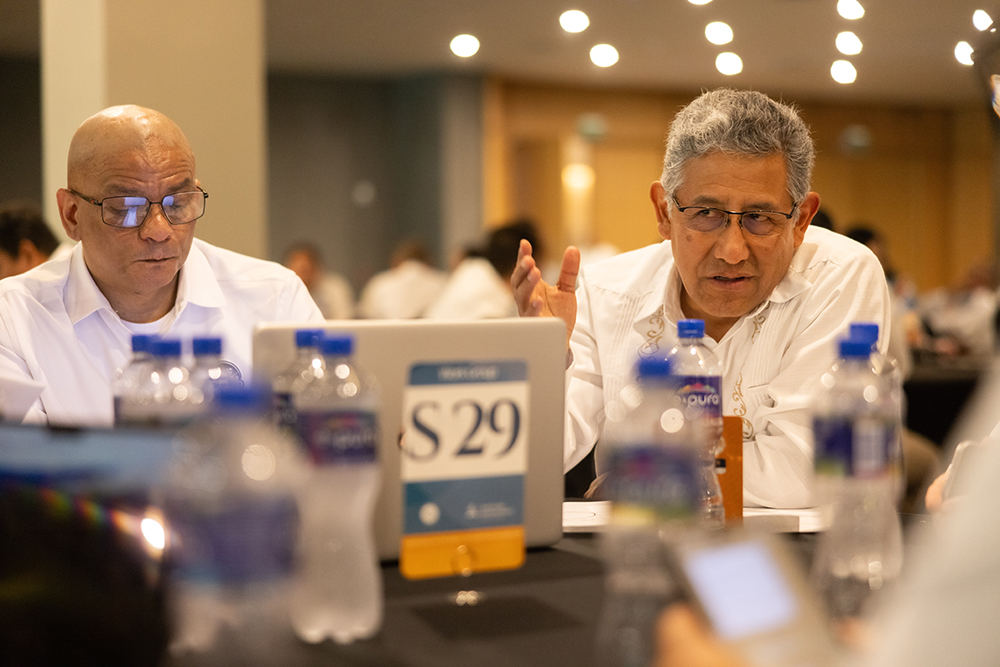
“Our purpose is to facilitate the mission,” De los Santos said. “Helping one another. Working together. Integrated, grounded in the Bible and focused on the mission.”
Reflections From the Field
Pastor David Maldonado, president of the Gulf Mexican Conference, described the group dynamic as enriching.
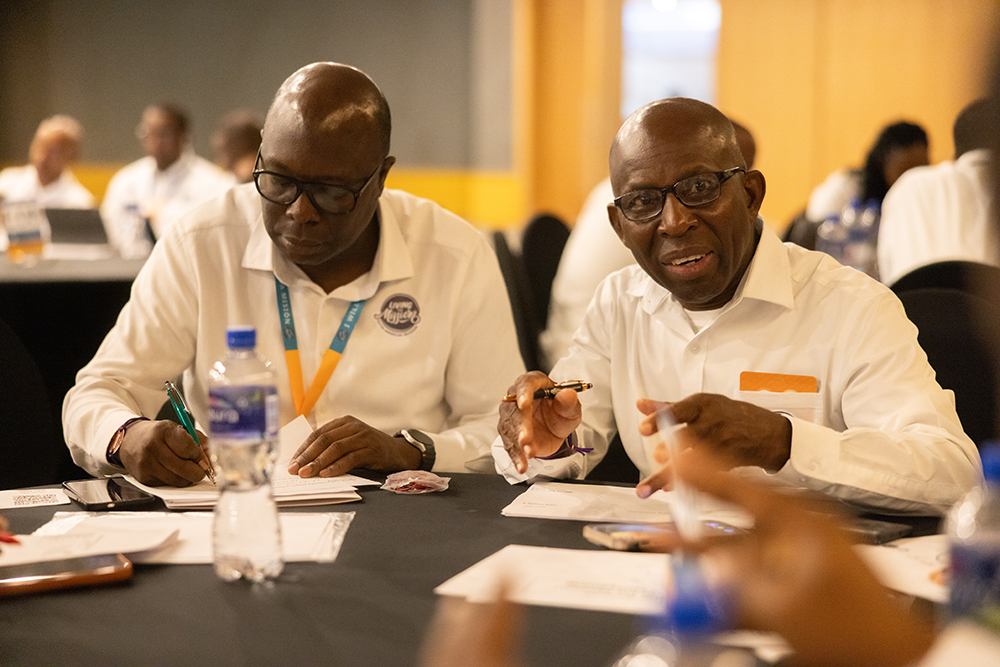
Reviewing the compiled responses affirmed for him that “in the multitude of counselors there is wisdom.”
“It’s not what I think the church needs,” he said. “It’s what the church collectively recognizes it needs.”
Pastor Glen Samuels, president of the Jamaica Union, called the process innovative and inclusive.
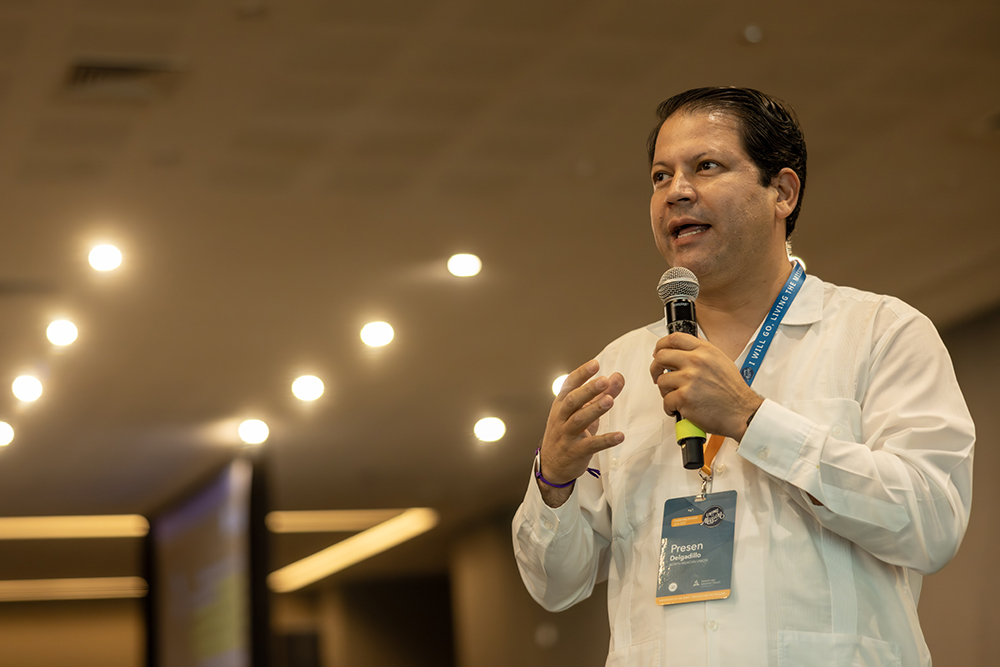
He stressed the importance of documenting role clarity for future leaders. “Leaders come and go,” he said. “Clarity must remain.”
Gilberto Delgadillo, executive secretary of the West Mexican Conference, welcomed efforts to streamline expectations.
“Local churches often feel overloaded,” he said. “Sometimes the question is not what we will do, but what we will fail to accomplish.”
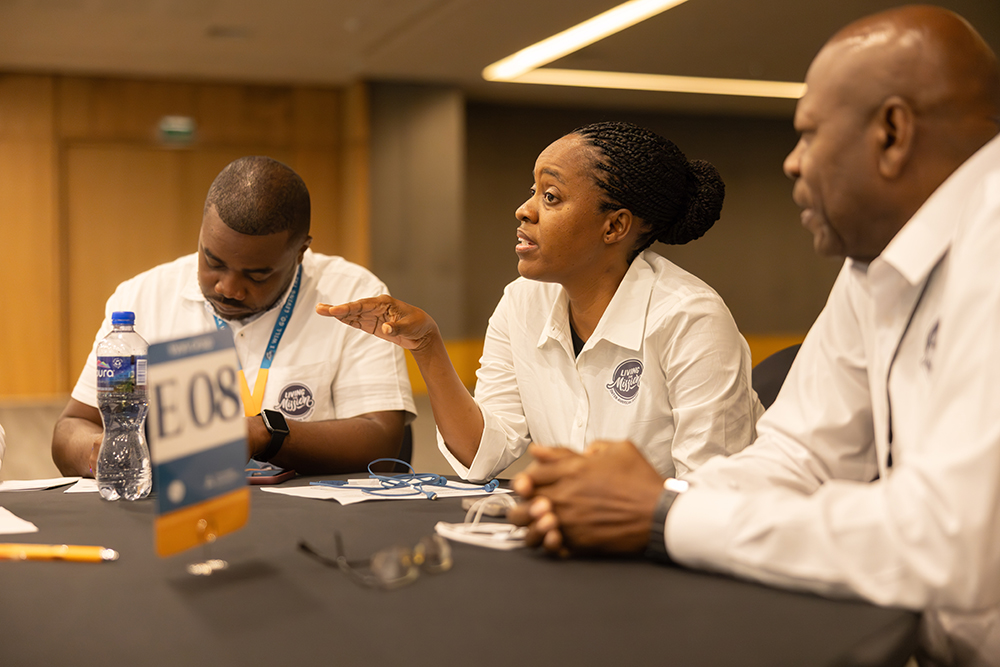
Kay White, executive secretary of the South Leeward Conference, said the discussions reflected real church realities.
“The results confirmed what many of us were already sensing,” White said.
She noted that discussion around annual calendars underscored the need for flexibility and cultural sensitivity.
White’s reflections echoed the broader purpose of the summit.
“We are not here to defend territory,” De los Santos said. “We are here to ask: What structure best serves the prophetic mission God has entrusted to this church?”
“Organization is not the goal,” he concluded. “Mission is the goal.”
Related news
 From the Field
Blind Theology Graduate Overcomes Barriers to Answer God’s Call
Colombian Adventist completes theology degree after seven years of academic, financial, and accessibility challenges June 11, 2026 | Medellín, Antioquia, Colombia | Cristin Serrano…
From the Field
Blind Theology Graduate Overcomes Barriers to Answer God’s Call
Colombian Adventist completes theology degree after seven years of academic, financial, and accessibility challenges June 11, 2026 | Medellín, Antioquia, Colombia | Cristin Serrano…
 From the Headquarters
To Find Ways to Reach Secular People, First We Need to Understand Them
Adventist mission expert explains where they are and what missionaries can do about it. June 10, 2026 | Port of Spain, Trinidad and Tobago…
From the Headquarters
To Find Ways to Reach Secular People, First We Need to Understand Them
Adventist mission expert explains where they are and what missionaries can do about it. June 10, 2026 | Port of Spain, Trinidad and Tobago…
 From the Headquarters
Adventist Leaders Sign MOU to Launch Mission Training Institute in Trinidad and Tobago
Inter-American Division leaders say the new partnership will prepare missionaries for cross-cultural service through global collaboration, training, and student exchanges. June 10, 2026 |…
From the Headquarters
Adventist Leaders Sign MOU to Launch Mission Training Institute in Trinidad and Tobago
Inter-American Division leaders say the new partnership will prepare missionaries for cross-cultural service through global collaboration, training, and student exchanges. June 10, 2026 |…